On a quiet rural road, the mailbox at the edge of a driveway still means the same thing it always has: a letter, a bill, a reminder that someone still came by. For residents watching Canada Post Rural Delivery closely, that small daily ritual now carries new weight, because the postal service says those individual roadside boxes will continue to receive home mail delivery for the foreseeable future.
What did Canada Post say about rural mailboxes?
Canada Post said rural residents with individual roadside mailboxes will not be part of the first wave of changes now moving through its delivery network., the Crown corporation said people who already receive mail rural mailboxes will see no change for now. Those addresses are not part of the initial announcement targeting the four million addresses that still receive home delivery and will eventually be converted to community mailboxes.
The update matters because several rural communities had already raised concerns that a shift could force people to travel several kilometres to collect their mail. For households spread across long roads and wider distances, that possibility changes more than convenience. It affects routine, access and the quiet expectation that the mailbox sits close enough to reach without planning a trip around it.
Why does the plan matter beyond one road?
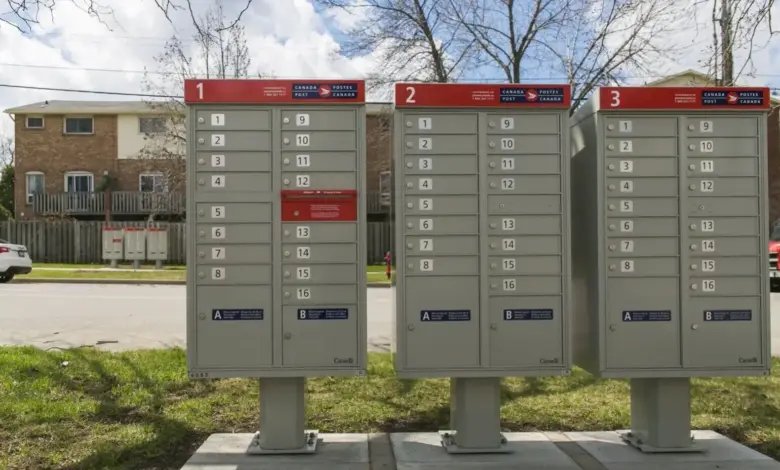
The wider plan is much larger than the rural question alone. Canada Post says about four million addresses will move to community mailboxes, and the change is expected to take about five years. The Crown corporation has also said some post offices will be phased out as part of the same effort.
That shift reaches into the everyday structure of how people receive mail. Canada Post said 73 per cent of addresses in Canada are already served by community mailboxes, post office boxes, or mailboxes grouped in multi-unit residential buildings. At the same time, about 700, 000 homes still have rural mailboxes, making up approximately four per cent of the 17. 8 million addresses served nationwide.
For families in rural communities, the issue is not only about mail. It is about distance, access and the way public services fit into lives shaped by roads, weather and longer trips. The postal service’s assurance that rural mailboxes are unaffected for now offers relief, but it also highlights how many other addresses are now moving into a different system.
How are urban communities being affected first?
The first wave of conversions is set to affect 136, 000 homes in 13 communities this year and early in 2027. Those areas include Etobicoke, Ottawa, and postal codes in B. C., Quebec, New Brunswick and Manitoba. Canada Post The Spectator they do not have plans for Hamilton or other communities just yet.
That means urban Hamilton residents who still receive door-to-door delivery will keep it for at least another year. The postal service said dense urban core areas “pose additional challenges, ” so those addresses will be converted in later stages of the multi-year plan. In Hamilton, 65, 160 addresses still receive home mail delivery. The same city already has 88, 340 businesses and residential addresses using community mailboxes, along with 63, 040 apartments and condos.
What does this mean for people waiting for answers?
The change is tied to Canada Post’s rising debt, and the multi-year conversion is meant to address that pressure. But for people living through the transition, the debate is less abstract. It is about whether a familiar service remains close to home, or whether it becomes another task folded into a day already shaped by distance, work and timing.
Canada Post Rural Delivery remains intact for now in rural areas with individual roadside mailboxes, yet the broader direction is clear: the postal network is being reorganized around centralized delivery. For some households, that will mean no immediate change. For others, it will mean a long wait before the next letter arrives at the door — or at a new box down the road.