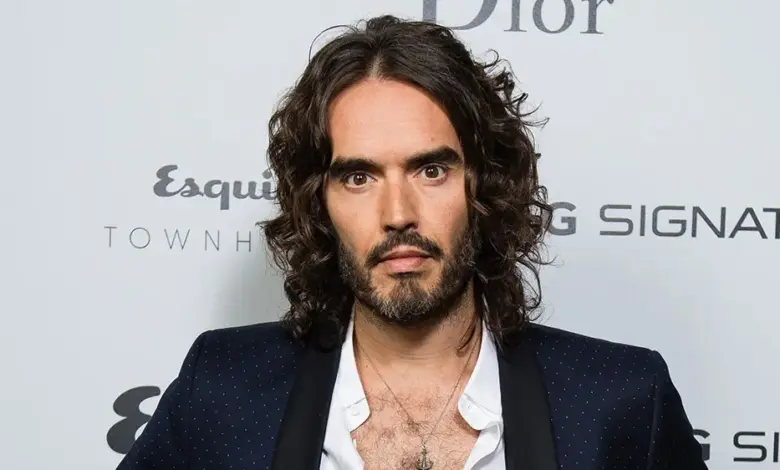
Russell Brand has put a stark new detail at the center of an already serious legal case. In remarks made publicly, the former comedian and broadcaster said he had consensual sex with a 16-year-old girl when he was 30, and described that encounter as exploitative. The admission arrives while Brand awaits an October trial on rape and sexual assault allegations from six women. The timing matters: it places his own words alongside charges he denies, and it raises fresh questions about power, consent, and accountability in the years when he was at the height of his fame.
What Brand said and why it matters now
Brand said he slept with a 16-year-old when he was 30 and that, in his view, the imbalance between a famous man and a much younger partner made the encounter exploitative. He also described his past behavior as selfish and said he had not given enough consideration to how sex affected other people. The russell brand admission is significant because it does not stand alone as a moral reflection; it lands in the middle of a live criminal case. That combination gives his comments immediate relevance far beyond personal regret.
The legal context is also important. Brand faces three charges of rape, three allegations of sexual assault, and one charge of indecent assault. Those charges concern alleged incidents spanning from 1999 to 2009. He denies all of them. His trial is scheduled to begin on 12 October at Southwark Crown Court, where his six accusers are expected to speak and he will have the chance to give evidence.
Consent, age, and the power gap
The context around the 16-year-old admission is narrower than the larger criminal case, but it still reveals how Brand is framing his own conduct. In the UK, the age of consent is 16, except where an adult is in a position of trust such as a teacher, social worker, sports coach, or doctor, when the age of consent is 18. Brand’s statement does not challenge that legal threshold. Instead, it focuses on the ethical question of whether fame and influence can turn a technically consensual encounter into something coercive in practice.
That distinction matters because public debate often collapses legality and morality into the same category. Brand’s language suggests he is separating them. He did not deny the encounter; he called it exploitative. He also linked that judgment to his status at the time, saying he had the ability to attract women in a way that created a strong power differential. In other words, the russell brand admission is less about a single act than about the conditions surrounding it.
What the legal case adds to the public record
Brand’s public remarks do not alter the charges pending against him, but they do shape the backdrop against which the case will unfold. He is on bail while awaiting trial, and he now lives in the US, though he has a home in Buckinghamshire. The court has already heard allegations involving separate women, including claims of rape, sexual assault, and indecent assault. Those accusations are distinct from the 16-year-old admission, but together they create a portrait of a prolonged period under scrutiny.
For editors, lawyers, and readers alike, the key point is that the case now contains both formal allegations and a voluntary admission that invites interpretation. The legal process will determine the outcome of the charges. The public statement, however, has already altered the conversation by providing a direct acknowledgment of conduct Brand himself now characterizes as exploitative.
Expert perspectives on the wider implications
Brand’s remarks also sit within a broader institutional conversation about consent and power. The UK legal framework itself draws a line around relationships involving adults in positions of trust, acknowledging that age alone does not capture every imbalance. That principle is central to understanding why Brand’s words have drawn attention even though he cited the age of consent.
The scheduled October trial will test the separate allegations in court, but the public significance of the admission is already clear. A high-profile figure has described a past sexual encounter as exploitative while insisting that other charges are denied. That tension is likely to shape how the case is discussed before the first witness is heard. In that sense, the russell brand statement is not just a personal reflection; it is a marker of how legal and moral scrutiny can intersect in real time.
Broader fallout and the question that remains
The broader impact reaches beyond one courtroom. Brand’s former visibility across television, radio, film, and digital platforms meant that his conduct carried a public dimension even before the current case. Now, every new disclosure is measured against the unresolved allegations and the October trial date. The result is a case that has become as much about accountability and power as about the specific charges.
If the trial will decide the legal questions, the public record is already forcing a harder one: when a famous man says he believes an encounter was exploitative, what responsibility does that create for the institutions and audiences that once amplified him?