In Islamabad, the mood around the latest round of talks has shifted from urgency to doubt, and the phrase nuclear weapon now sits at the center of a debate that is as much about trust as it is about technical limits. The stalled negotiations reflect a larger question: whether Washington and Tehran can still do what they once did after years of painstaking work.
What was the JCPOA, and why did it matter?
The 2015 Joint Comprehensive Plan of Action, known as the JCPOA, was the result of roughly two years of negotiations involving hundreds of specialists across technical and legal fields. Iran reached the agreement with the European Union and six major powers: China, France, Russia, the United Kingdom, the United States, and Germany.
Under the deal, Iran agreed to limit activities that could be used to produce a nuclear weapon. That included cutting its stockpile of enriched uranium by about 98 percent, capping enrichment at 3. 67 percent, and reducing the number of operating centrifuges from roughly 20, 000 to a maximum of 6, 104. The agreement also redesigned the Arak heavy water reactor, expanded inspections, and linked those steps to relief from sanctions that had damaged Iran’s economy.
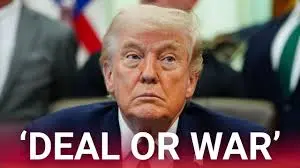
For a time, the arrangement held. The International Atomic Energy Agency said Iran had complied with the agreement until the United States withdrew in 2018. President Donald Trump, who had called it the “worst deal ever, ” pulled the United States out and restored sanctions under a “maximum pressure” strategy.
Why do these talks keep running into the same problem?
The current round of negotiations is being shaped by the same challenge that defined the earlier one: time. Wendy Sherman, the former deputy secretary of state and President Barack Obama’s lead negotiator on the 2015 deal, has said that a deal with Iran cannot be done in one day or even one week. She said the JCPOA took a good 18 months and a marathon 19-day final session in Vienna.
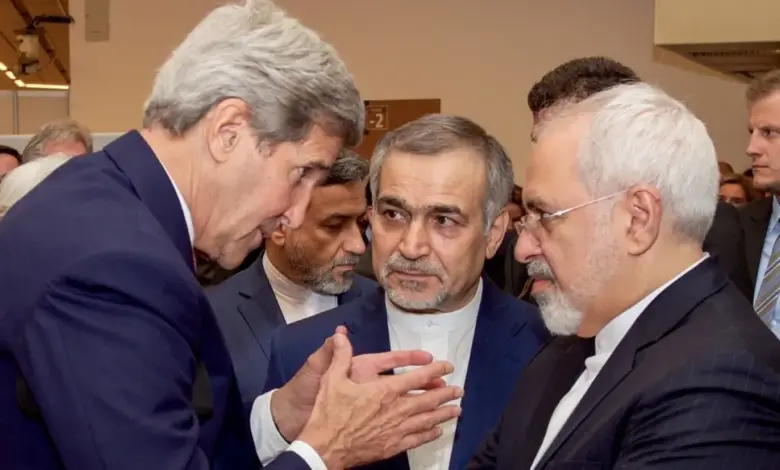
Rob Malley, who was also part of the negotiating team and later served as a special envoy to Iran under President Joe Biden, described the two sides as fundamentally different in style. He called Trump “impulsive and temperamental” and Iran’s leadership “stubborn and tenacious. ” Jon Finer, a former U. S. deputy national security adviser who worked as John Kerry’s chief of staff during the talks, said the Iranian side was meticulous and extremely capable, even when working in a second language and with long documents full of detailed annexes.
That history helps explain why the latest negotiations in Islamabad have produced little beyond dashed expectations. The talks came after earlier rounds led by figures with limited Iran expertise, while the broader effort has faced setbacks from military strikes and a ceasefire timeline that is running down.
What is different now from 2015?
The newest talks are taking place under far more pressure and with less confidence on both sides. Before the initial strikes at the end of February, the United States had added new demands, including additional restrictions on Tehran’s nuclear programme, limits on its ballistic missiles programme, and an end to support for regional armed groups in Lebanon, Yemen, and Iraq.
Sherman has warned that the Trump administration’s approach has leaned too heavily on maximalist demands. She said no nation, including Iran, is likely to capitulate. The result is a negotiation that looks less like the carefully paced process that produced the JCPOA and more like a race against the clock.
What happens if no deal emerges?
The consequences extend beyond diplomacy. The earlier agreement gave Iran sanctions relief, access to frozen assets, and more room to participate in the global economy. Its collapse brought back economic pressure and left the wider question of nuclear restraint unresolved.
Now, with a second round of talks uncertain and the ceasefire nearing its end, the risk is that the same pattern repeats: force first, negotiation later, and no clear path to a durable settlement. The phrase nuclear weapon is therefore not only a technical term in these talks; it is a reminder of what the original deal tried to slow down, and what is again hanging in the balance in Islamabad.
Image caption: nuclear weapon diplomacy in Islamabad as negotiators confront the legacy of the 2015 Iran deal.