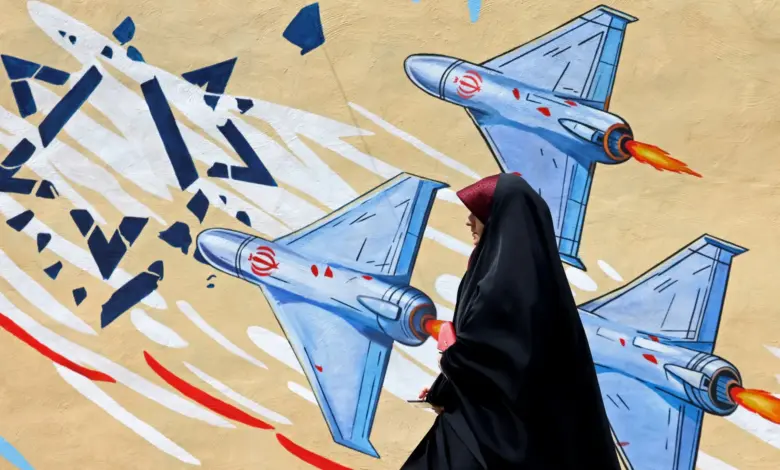
The ceasefire between the United States and Iran is nearing its deadline, and my focus is on what happens when diplomacy is squeezed by public threats. In the past two weeks, both sides have tried to keep the option of talks alive, but the tone has shifted sharply. Iran’s parliament speaker says the country is ready to reveal “new cards on the battlefield, ” while President Donald Trump is warning of “problems like they’ve never seen before” if no deal is reached by Wednesday.
Ceasefire deadline puts diplomacy under strain
The immediate backdrop is a two-week ceasefire that is set to expire on Wednesday. That deadline matters because the second round of US-Iran peace talks, which was scheduled to take place this week in Pakistan, is now in limbo. The uncertainty deepened after the US seized an Iranian-flagged vessel near the Strait of Hormuz over the weekend, a move that angered Iranian authorities and helped trigger another rise in global oil prices.
That sequence matters more than the headline rhetoric. The ceasefire is not collapsing only because of one warning or one seizure; it is under pressure from a chain of actions and responses. In that sense, my reading of the moment is that both governments are using leverage while still leaving a narrow door open. Tehran has not formally closed diplomacy, and Washington is still signaling that a deal remains possible. But the space between those positions is shrinking fast.
What the threats reveal about the bargaining line
The public messages from both sides show a negotiation that is already being shaped by force rather than trust. In an overnight post, Mohammad Bagher Ghalibaf, Iran’s parliament speaker, accused Trump of “imposing a siege and violating the ceasefire. ” He also said, “We do not accept negotiations under the shadow of threats, ” adding that Iran had prepared to “reveal new cards on the battlefield. ”
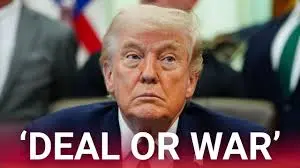
Trump, meanwhile, has linked diplomacy to escalation in blunt terms. He said on Monday that if the ceasefire expires without a deal, “lots of bombs start going off. ” He also said Iran would negotiate and warned that otherwise it would “see problems like they’ve never seen before. ” That language is not just political theater. It is a signal that any agreement will be judged not only by its content but by whether either side can claim it was not forced into it.
This is why the talks in Pakistan matter even before they happen. They are not simply about meeting; they are about whether the two sides can negotiate without first settling the terms of pressure. The current dispute includes several sticking points already named in the context: the Strait of Hormuz, sanctions, war reparations, ballistic missiles and Iran’s regional relations. Each issue makes the gap wider, and each threat narrows the room for compromise.
Why the oil shock and the Strait matter now
The seizure near the Strait of Hormuz has become central because it connects the diplomatic crisis to global markets. The resulting surge in oil prices shows that the dispute is no longer contained to official statements or bilateral talks. It is feeding into economic pressure beyond the region, while also giving both sides another reason to harden their positions.
Reporting from Tehran noted that there is no official confirmation that Iran will take part in talks in Islamabad, though the door to diplomacy has not been fully shut. That ambiguity is crucial. It suggests the current phase is less about agreement than positioning, with each side trying to shape the other’s expectations before any room is entered.
Expert reading of the standoff
Tohid Asadi, reporting from Tehran, described the Iranian message as a “mixed message, ” saying it indicates Iran is ready for negotiations but not under US-imposed terms. He also said there will be no easy negotiations if they happen at all, because both sides have long lists of demands. That assessment fits the pattern now visible in the public exchange: neither side is backing away, but neither is conceding the terms of engagement.
There is also a domestic edge to the crisis. US veterans were arrested while protesting the war in the US Capitol building, a reminder that foreign policy pressure is feeding into internal political conflict as well. Separately, the ceramics industry in Gujarat’s Morbi has been hit by the fuel crisis, with most units closed and workers laid off. Those details show how a diplomatic standoff can quickly become a wider economic and social shock.
Regional and global ripple effects
The broader consequence is that every new threat now carries more weight than it would in a stable negotiation. The fragile ceasefire is being tested not only by words but by operational moves, market reaction, and competing demands. If the deadline passes without progress, the risk is not just renewed confrontation; it is the hardening of positions that make later diplomacy even more difficult.
For the region, the Strait of Hormuz remains a pressure point. For global markets, the oil response is an immediate warning sign. And for negotiators, the challenge is whether either side can step back from a cycle in which every move is answered by a sharper one. In that environment, my question is simple: if the ceasefire expires without a deal, what space will be left for talks at all?