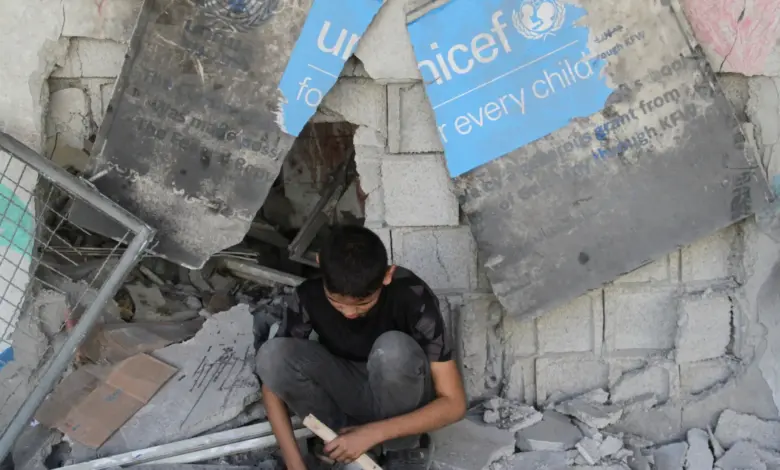
In the early hours of Friday morning at the Mansoura water filling point in northern Gaza, a routine delivery turned lethal. The gaza strip suddenly lost two drivers contracted to bring clean water to families, and two other people were wounded. UNICEF said it was outraged and suspended activities at the site.
What happened at the Mansoura water filling point?
UNICEF said the incident took place during routine water trucking operations with no changes in movement or procedures. The two men were contracted to deliver clean water to families in the Gaza Strip, where the Mansoura water filling point serves as the only operational truck filling point for the Mekorot water supply line serving Gaza City.
the site is used multiple times a day by UNICEF and humanitarian partners to sustain critical water trucking operations for hundreds of thousands of people, including children. In that setting, the deaths of the drivers and the injuries to two others cut directly into an already strained service.
Why does this matter beyond one attack?
The immediate human cost is visible in the families of the men killed and the people who depend on a working water system. UNICEF said humanitarian workers, essential service providers, and civilian infrastructure, including critical water facilities, must never be targeted. It also said the protection of civilians and those delivering life-saving assistance is an obligation under international humanitarian law.
That statement places the incident inside a wider reality in the gaza strip: access to basic services can vanish in a single moment when people moving water, food, or medicine are no longer safe. The agency’s decision to suspend onsite activities until security conditions are restored leaves a gap that others now have to navigate.
What is UNICEF asking for now?
UNICEF called on the Israeli authorities to immediately investigate the incident and ensure full accountability. It also expressed condolences to the families of the men killed. The message was direct, but it was also practical: without security for the workers and the filling point, the water trucking operation cannot continue as before.
The organization said its contractors have been instructed to suspend onsite activities until conditions in the area are restored. For the people relying on that supply line, the pause is more than administrative. It means the system that brings clean water to homes, shelters, and children’s daily routines has become even more fragile.
What does this say about daily life in the gaza strip?
This case shows how civilian infrastructure can become inseparable from the question of survival. The gaza strip depends on movements that are ordinary on paper and dangerous in practice: a truck arriving, a fill point working, a driver making the trip and coming home. When that chain breaks, the effect reaches far beyond the moment of violence.
UNICEF’s response also underlines the limits of humanitarian work when basic protection is missing. The agency’s words point to a hard truth: water delivery is not a side issue in Gaza, but a lifeline. When the people maintaining that lifeline are killed, the consequences spread to every household waiting for the next truck.
At Mansoura, the trucks are now still. The question left behind is whether the systems that keep water moving can be protected soon enough for the next delivery to begin.