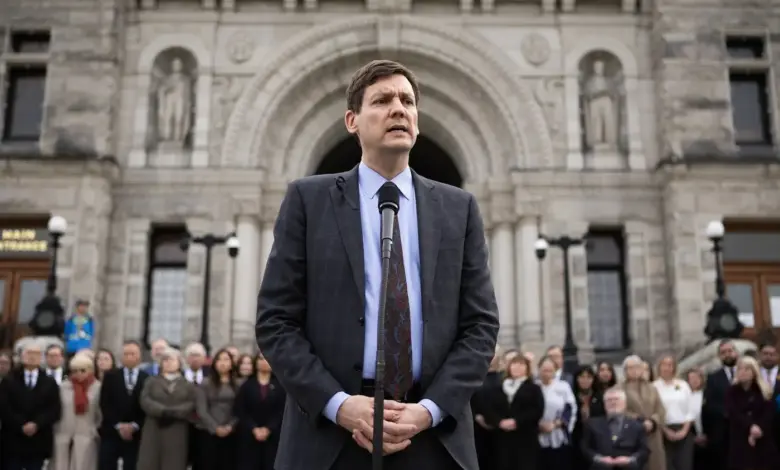
In Victoria, the political tension around indigenous rights is now playing out in a narrow legislative window, with British Columbia Premier David Eby’s government expected to table a bill Monday that would suspend parts of the province’s Indigenous rights law for one year. For many First Nations leaders, the issue is not only legal but deeply practical, touching how government decisions are made across the province.
Why is B. C. moving to suspend the law?
The government’s push comes after a recent court ruling on B. C. ’s mineral claims regime raised concerns inside the premier’s office about litigation risk. Eby has said the court decision, which cited the Declaration on the Rights of Indigenous Peoples Act, creates serious exposure for the province. The law, often referred to as DRIPA, is based on the United Nations Declaration on the Rights of Indigenous Peoples.
Two sources familiar with the plan say the proposed bill would suspend the core elements of DRIPA for one year, while also giving cabinet the ability to extend that pause beyond the initial limit. That detail matters because it suggests the government is not only seeking a short-term reset, but also preserving room to keep the suspension in place longer if it chooses.
How are First Nations leaders responding?
First Nations leaders have pushed back strongly against any change to the law. The First Nations Leadership Council has called an emergency meeting for Sunday to discuss the government’s plan. The First Nations Summit also issued a statement on April 14 saying its members “unequivocally oppose amendments to the Declaration on the Rights of Indigenous Peoples Act. ”
This opposition reflects a broader concern that suspending the law would weaken a framework meant to align provincial decision-making with the UN declaration. For Indigenous leaders, the question is not simply what the courts allow, but whether the province is stepping away from commitments it made to build a different relationship with First Nations. That is where indigenous rights moves from a legal phrase to a lived political test.
What does B. C. ‘s slim majority mean for Monday?
The government’s path is complicated by numbers. Eby’s team holds 47 seats, while the Opposition B. C. Conservatives, B. C. Greens and Independents together hold 46. With such a narrow margin, it remains unclear whether the government has the votes to pass the changes.
That uncertainty gives Monday’s tabling added weight. Eby initially said a vote on the suspension would be treated as a confidence vote, but that plan was dropped after opposition from Indigenous government MLA Joan Phillip. The legislation was then postponed. Now, with the bill expected to return, the province is facing both parliamentary pressure and a continuing rift with First Nations leaders over the future of indigenous rights in provincial law.
What is the bigger significance of the court ruling?
The Court of Appeal ruled late last year that the province’s mineral rules are “inconsistent” with DRIPA. In the second account of the dispute, Eby also said the ruling has broader implications for statutory decision makers and senior public servants who apply provincial laws on land use, resources and other programs. He said the province needs to be able to give instructions to the tens of thousands of people who do that work in different ways.
That is the human and administrative layer beneath the political fight. The issue reaches from cabinet rooms to permitting offices, from legal interpretation to day-to-day decisions that affect communities. The government sees risk in leaving the ruling untouched. First Nations leaders see danger in suspending a law that was designed to anchor a new approach to indigenous rights.
What happens next?
The next immediate step is Monday’s expected tabling of the bill. Before that, the Sunday emergency meeting of the First Nations Leadership Council could shape the tone of the fight ahead. What remains unresolved is whether the government can secure enough support to pass the measure and whether it can do so without deepening the political break with First Nations across the province.
For now, the scene in Victoria is one of pause, but not peace: a government trying to contain legal risk, and Indigenous leaders warning that suspension is not a neutral move. On Monday, the same legislative chamber that may debate a temporary legal pause will also reveal how much room remains for agreement on indigenous rights.