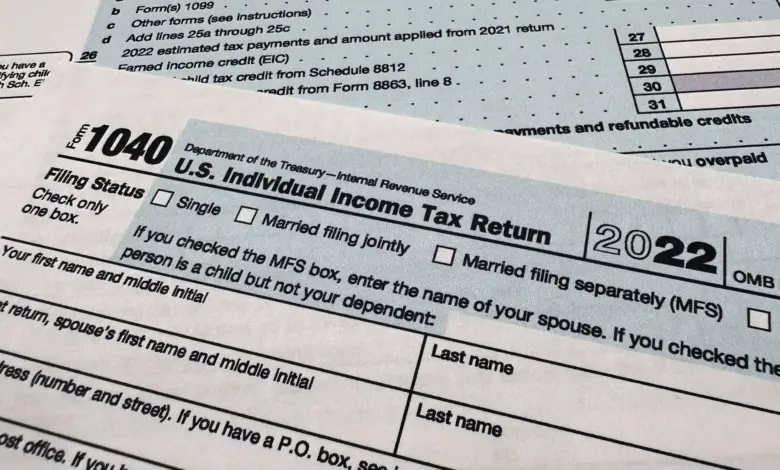
On a busy post-tax-day morning, the lines at some Taxpayer Assistance Centers may be shorter than the stress people carry with them. For taxpayers still sorting out paperwork after tax deadline 2026, the IRS is keeping the doors open a little longer, with special Saturday hours this weekend at some centers and extended weekday hours through April 30.
What help is the IRS offering after tax day?
The IRS is adding extra in-person support for extension filers who still need help after the filing rush. Some Taxpayer Assistance Centers across the country will open for special Saturday hours this weekend, and weekday hours will continue through April 30. For people who are still untangling forms, that extra time can matter.
The move comes as many taxpayers continue working through extension paperwork. An extension can give more time to file, but it does not erase the need to stay current on what is owed. That distinction is central to tax deadline 2026, especially for people who assumed the extension bought them more than it did.
Why do extension filers still need to pay on time?
Mark Steber, chief tax officer at Jackson Hewitt Tax Services, said an extension gives taxpayers more time to submit paperwork, but the IRS still expects payment by the deadline. He noted that the federal extension and most state extensions that mirror it simply provide six months to finish the return. They do not extend the time to pay the tax due.
Steber warned that missing the payment deadline can trigger penalties and interest. He said the worst mistake is to ignore the deadline, because balances can grow quickly once multiple charges begin to stack up. For people facing tax deadline 2026 with money still owed, the message is straightforward: file, pay as much as possible, and do not leave the issue untouched.
What happens if taxpayers cannot pay the full amount?
The IRS offers several ways to pay what is owed or arrange a payment plan. Those options include short-term choices and longer-term installment agreements. Even for taxpayers who cannot cover the full bill, experts say it is better to file on time or request an extension than to miss the filing obligation altogether.
That advice reflects a practical reality: the penalty for failing to file is typically higher than the penalty for failing to pay. The IRS can also impose a failure-to-pay penalty, along with interest that compounds daily. For households already balancing rent, groceries, and other bills, that kind of growth can turn a manageable balance into a lasting burden.
How are taxpayers being urged to respond?
The clearest guidance is to act early and not assume the extension solved everything. People who still owe taxes are being urged to file as soon as possible and pay as much as they can by the deadline. The IRS assistance effort through April 30 is meant to make that easier, especially for those who need in-person help after tax day.
For many extension filers, tax deadline 2026 is less about a single date than a decision point. Some will walk out of an assistance center with questions answered and a payment plan in hand. Others may still be weighing what they can afford. Either way, the clock keeps moving, and the cost of waiting can rise with it.
At the centers open this weekend, the scene is simple: folders in hand, questions ready, and a little more time than some taxpayers expected. For people trying to finish the job after tax day, that extra window may be the difference between a clean close and another month of anxiety.