Perquisition at the Élysée has become the turning point in a case that is still narrow in facts but broad in implications. The issue now is not only the attribution of the Panthéon ceremony contract, but also the limits placed on investigators when the presidency invokes constitutional inviolability.
What Happens When a Procurement Probe Reaches the Presidency?
Police from the financial and anti-corruption brigade are examining the organization of the ceremonies marking entry into the Panthéon, where major figures of French history are honored. The inquiry focuses on the choice of Shortcut Events to organize those ceremonies over a period of 22 years. The estimated cost cited for each panthéonisation is around 2 million euros.
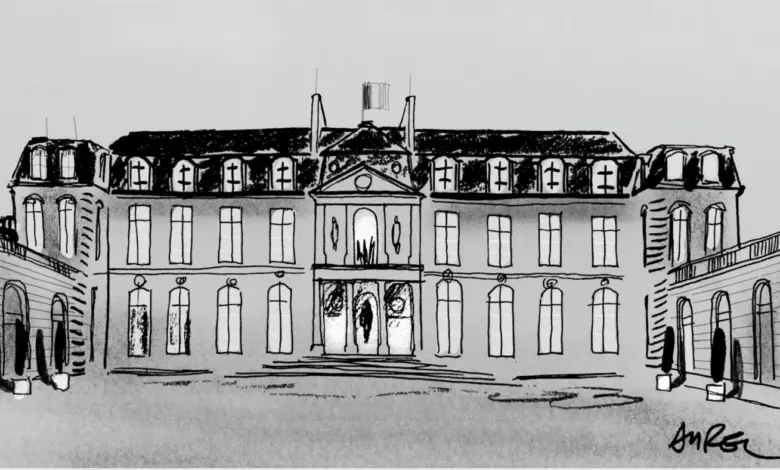
That is the practical core of the case: a public market, a recurring state ceremony, and a contractor selection under scrutiny. The political sensitivity comes from the location. Investigators went to the Élysée on 14 April, but collaborators of the head of state refused them access, citing Article 67 of the Constitution and the inviolability of presidential premises. They will instead receive a list of documents to be examined.
What Does the Refusal Change in the perquisition Case?
The refusal does not end the inquiry, but it changes its shape. The investigators can still pursue documents, cross-check the contract trail, and test how the market was attributed. What they cannot do, at least for now, is conduct a full on-site search inside the presidency.
That matters because this is not a routine procurement question. The Panthéon ceremonies involve state symbolism, public spending, and the presidency’s institutional perimeter. The presence of the financial and anti-corruption brigade signals that the matter is being treated as a compliance issue, not a ceremonial one. The perquisition therefore becomes a test of how far scrutiny can extend when presidential protections are invoked.
What If the Evidence Trail Stays Documentary Only?
Three paths now stand out:
| Scenario | What it would mean |
|---|---|
| Best case | Requested documents clarify the procurement process quickly, and the matter remains limited to administrative review. |
| Most likely | The inquiry continues through paper records, with questions focused on how the contract was awarded and whether the process was properly framed. |
| Most challenging | Missing, incomplete, or contested documents extend the case and intensify attention on the presidency’s refusal to allow access. |
Each path depends on one basic fact: whether the document list sent to the Élysée is complete and whether the relevant records can be produced without delay. The available information does not indicate wrongdoing, but it does show that investigators are looking closely at a public market tied to a highly visible state function.
Who Wins, Who Loses, If the Scrutiny Deepens?
If the inquiry remains contained, the institutions involved may benefit from a narrow resolution that preserves procedural credibility. If it deepens, the pressure shifts to the presidency, the contractor selection process, and the broader image of how public ceremonies are managed.
The biggest winners would be transparency advocates and oversight institutions if the process ends with clearer procurement standards. The biggest losers would be public confidence and the perceived neutrality of state contracting if the matter becomes a symbol of privileged access or weak controls. For the contractor, the immediate risk is reputational; for the Élysée, the risk is institutional.
The key lesson is that a perquisition at the presidency, even when blocked, still changes the balance of attention. It puts procurement practice, constitutional limits, and administrative transparency into the same frame. Readers should watch for the document trail, the scope of the contract review, and whether the inquiry stays technical or becomes more politically charged. For now, the signal is clear: the case is about process, access, and oversight, not yet about final judgments. The meaning of this perquisition will depend on what the documents reveal next.