The government is moving again on fuel as a new 10 cent cut in excise duty takes effect at midnight on Tuesday, but the relief may be short-lived. Petrol and diesel costs are expected to ease in the days ahead, even as motorists remain far worse off than they were just six weeks ago. The government is trying to blunt the impact of a fast-moving fuel crisis, but rising crude prices could quickly erase the benefit.
Price Relief Arrives, But Not for Long
On Monday morning, trade at a Circle K forecourt in Cabra, Dublin, showed motorists still paying €2. 18 a litre for diesel and €1. 92 for petrol. That is well above the February average cited by the AA, when petrol stood at €1. 73 a litre and diesel at €1. 72.
The latest Government measure follows earlier excise duty cuts already in place. All things being equal, diesel at the Dublin 7 forecourt is expected to fall to €2. 08 this week, while petrol is likely to settle at €1. 82. Even so, petrol would still be 10 cent higher per litre than before the war started, while diesel would remain 36 cent higher for Irish motorists.
The government response has been framed as a direct effort to limit the damage for ordinary drivers, farmers and contractors who rely heavily on fuel. But the figures show the pressure is still intense, and the relief is narrow.
Market Pressure Is Rising Again
The bigger threat is global oil pricing. At the start of this week, Brent Crude rose by over 9. 1 per cent to near $104 a barrel after the US vow to blockade all vessels passing through the Strait of Hormuz that called at Iran ports or were headed there. The earlier dip in oil prices has already reversed.
If crude rises much further, it could add between 7 and 10 cent to the price of a litre of fuel in Ireland. If prices reach $150 a barrel, petrol could climb to €2. 28 and diesel to €2. 46, even after the two excise cuts. In that scenario, the government’s current measures would be overwhelmed by market pressure.
Immediate Reaction From Minister James Browne
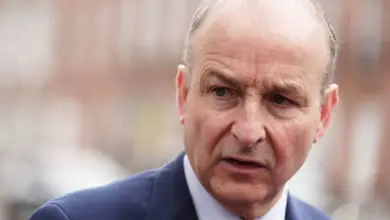
Minister James Browne said the government’s response has been both swift and substantial. He acknowledged public frustration over rising fuel prices and said the global situation, including conflict in the Middle East, has driven volatility in oil markets beyond Ireland’s control.
He said the government acted quickly with a €505 million support package, which he described as one of the largest per capita interventions in the European Union. Browne said the package was meant to ease the burden on people most affected by rising costs, including farmers and contractors.
He also drew a clear line between peaceful protest and disruptive blockades, saying protests are a constitutional right but blockades at ports threaten public safety and essential services. He warned that such disruption could put supplies at risk, including chemicals for clean water and fuel for emergency services.
What Comes Next
The immediate question is whether the excise cut will bring visible relief before the next round of market movement takes hold. The government is trying to hold down prices while oil markets remain unsettled, but the next shift in crude could determine how long any savings last.
For now, the government’s fuel strategy is buying time rather than ending the crisis, and motorists will be watching closely to see whether this week’s changes hold or disappear as quickly as they arrive.