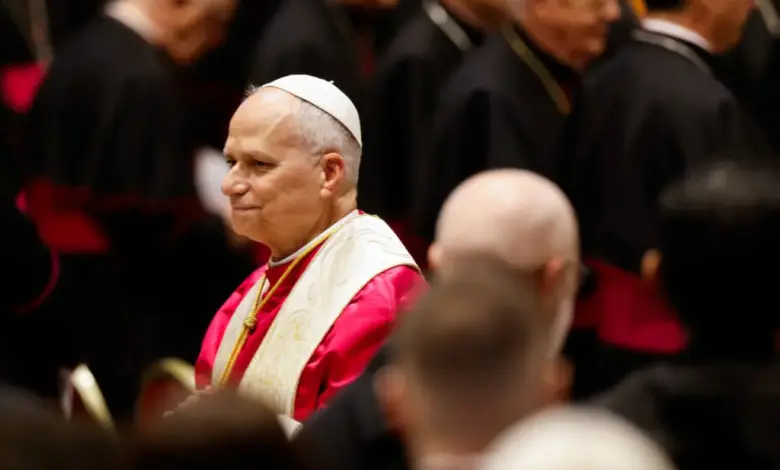
pope leo moved from general calls for peace to direct confrontation as the Iran war escalated, placing the Vatican and the White House on opposite sides of a fast-moving moral and political fight. The first American pope has now publicly challenged President Donald Trump’s handling of the conflict, calling the president’s belligerence “truly unacceptable. ” The dispute unfolded in the middle of a fragile ceasefire and has sharpened during prayers, public remarks, and private tensions.
Direct criticism from pope leo
pope leo stepped into the international political arena during evening prayers at St Peter’s Basilica in Vatican City on Saturday, saying prayer for peace is “a bulwark against that delusion of omnipotence that surrounds us and is becoming increasingly unpredictable and aggressive. ” He told world leaders who decide to go to war: “stop! It is time for peace! Sit at the table of dialogue and mediation. ” In the same address, he said: “Enough of war! True strength is shown in serving life. ”
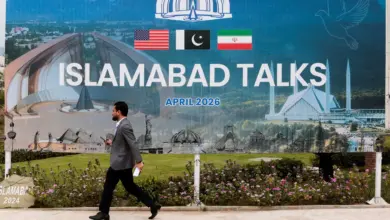
His message did not explicitly name the United States or Iran, but it landed as his strongest condemnation yet of the conflict. It came as US and Iranian delegations held face-to-face negotiations in Islamabad to shore up a fragile truce and try to bring the fighting to a permanent end. The Vatican had already been pulled into the dispute after Leo earlier said Trump’s belligerence was “truly unacceptable. ”
How the conflict turned personal
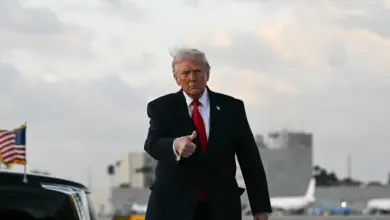
The clash is unusual because it involves two Americans at the top of global institutions: a 79-year-old president from Queens and a 70-year-old pontiff from Chicago. Theology professor Natalia Imperatori-Lee of Fordham University called it “a very stark contrast” and “an inflection point for American Christianity. ” Catholic University professor William Barbieri said the church’s opposition to war reflects “a very long-standing tradition rooted in Scripture and theology and philosophy. ”
On the other side, Trump administration officials and allies have cast the war in explicitly religious terms. Defense Secretary Pete Hegseth urged Americans to pray for victory “in the name of Jesus Christ, ” while Donald Trump said he believed God approved of the war, adding, “God is good and God wants to see people taken care of. ” The Rev. Franklin Graham also praised Trump as someone God “raised up for such a time as this. ”
Vatican and White House tensions were already building
Behind the public clash, friction had been rising for months. Vatican officials were briefed on a January meeting in which a senior US defense official summoned a top Vatican diplomat and, in their telling, delivered a bitter warning that the United States has the military power to do whatever it wants and the Church should side with it. The pope’s earlier comments in January that a diplomacy of dialogue was being replaced by force had already angered officials.
That backdrop helps explain why pope leo’s words now carry weight beyond a single sermon. He has steadily moved from muted appeals for peace to sharper language, including a warning that God rejects the prayers of those who wage war. His latest remarks suggest he is prepared to keep pressing for restraint even as the ceasefire remains fragile.
What comes next
The next test will be whether the ceasefire holds and whether the Vatican keeps escalating its public challenge to Washington’s language about the war. For now, pope leo has drawn a clear line: peace, dialogue, and mediation are the path forward, not what he called the delusion of omnipotence. As the Iran crisis develops, the confrontation between pope leo and the White House is likely to remain one of the most closely watched political and religious fault lines in the world.