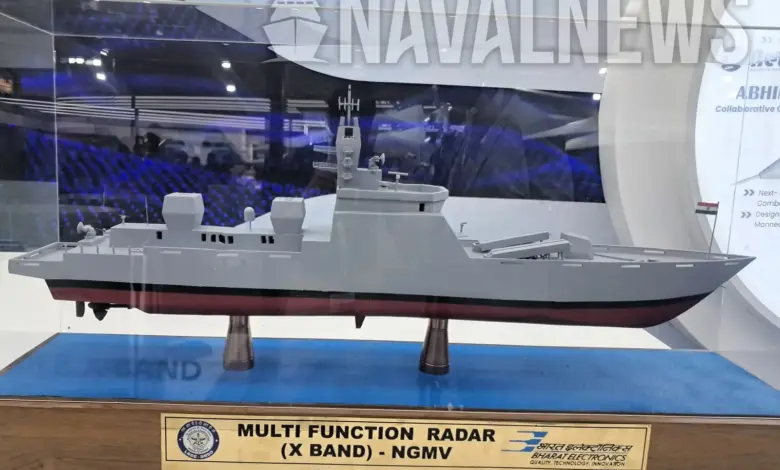
The indian navy has moved a key step closer to a faster new missile vessel fleet after Kongsberg Maritime signed a contract to supply 18 large Kamewa waterjets for the Next Generation Missile Vessel programme. The order matters because it is not just about propulsion hardware; it is about the kind of ship India wants to field next. Six vessels under construction at Cochin Shipyard Limited are expected to gain a high-speed, highly manoeuvrable platform built around waterjet propulsion, with delivery aligned to the shipbuilding schedule.
Why the waterjet deal matters now
The contract arrives at a point when the programme is already advancing on multiple fronts. Cochin Shipyard Limited signed a ₹9804 crore contract in March 2023 for construction and supply of six Next Generation Missile Vessels for the indian navy. The first ship’s steel cutting took place in December 2024, and the first delivery is expected in March 2027. In that context, the waterjet contract is more than a component order: it locks in a central part of the vessels’ performance profile.
Each ship will feature waterjets, and the class is described as the largest waterjet propelled craft in the indian navy. That detail is important because it signals a design choice geared toward speed and manoeuvrability rather than a conventional propulsion model. Kongsberg Maritime said the order is its largest single waterjet contract to date and reflects a return to large waterjet manufacturing after a relatively quiet period over the past decade.
What the propulsion choice reveals
Three waterjets per vessel are implied by the 18-unit order for six ships, and that arrangement points to a deliberate emphasis on performance. Kongsberg’s waterjets are intended to deliver speed, agility and reliability for demanding naval applications. In simple terms, that means the ships are being equipped to move quickly, change course sharply and operate with the responsiveness needed for high-performance maritime roles.
The propulsion decision also fits the broader build sequence. In October 2024, GE Aerospace announced the selection of its LM2500 gas turbine engines for the programme, to be assembled in India by HAL. BEL also secured an order in September 2024 for a DRDO-developed X-band MFR intended for the class. Taken together, these milestones show a vessel programme that is not being built around one standout system, but around a layered set of technologies arriving in sequence.
The indian navy’s NGMV effort matters because it combines speed, sensors and planned weapon fit in a single class. The initial RFI required a minimum eight surface-to-surface missiles and a short-range SAM system. The vessels are also likely to be the first new class to be fitted with VLSRSAM. That makes the propulsion contract strategically relevant: fast, responsive ships are most effective when their mobility matches the weapons and sensors aboard.
Industry perspectives and institutional signals
Named statements from the companies involved underscore the significance of the order. Anders Valkeinen, Vice President, High-Speed Craft at Kongsberg Maritime, said the programme is a milestone for the company and a testament to the trust placed in its waterjet technology for demanding naval applications. Anette Holte, Country Manager for India at Kongsberg Maritime, said the company values its long-standing relationship with the indian navy and Cochin Shipyard and is committed to supporting India’s naval ambitions.
From Cochin Shipyard Limited, the shipyard was pleased to collaborate with Kongsberg Maritime for the supply of the waterjet propulsion system for the naval project under construction at CSL for the indian navy. The spokesperson also said the relationship has been marked by strong technical cooperation and mutual confidence, and expressed hope that Kongsberg Maritime would deliver a high-quality and reliable system in line with the exacting standards required for the project.
Those comments matter because they place the contract in the language of trust and delivery discipline. For a naval programme, propulsion is not a decorative feature; it is a core driver of how the platform behaves at sea. When an order is described as a milestone and paired with schedule-aligned delivery, the message is that propulsion integration is being treated as a critical path item, not a later-stage addition.
Regional implications for maritime defence
The NGMV fleet is being built to play a critical role in India’s maritime defence strategy. The vessels are intended to strengthen operational capabilities in the Indian Ocean Region, and the class is being designed for maritime strike, anti-surface warfare, local naval defence and seaward defence of offshore development areas. That gives the waterjet contract broader meaning: it is tied to a platform meant for active operational use, not static presence.
The contract also suggests a wider industrial signal. Kongsberg Maritime described the order as a strong return to large waterjet manufacturing after a relatively quiet period over the past decade. For India, the deal reinforces Cochin Shipyard’s role as the construction hub for a class that blends domestic build work with imported propulsion technology and locally assembled engines. For the indian navy, it adds another layer to a fleet that is being assembled through coordinated industrial and defence procurement steps.
What happens next will depend on execution, schedule discipline and system integration. But the central question remains clear: if the indian navy is building its next missile vessel class around speed, how much will that choice shape the future balance between mobility, survivability and strike power at sea?