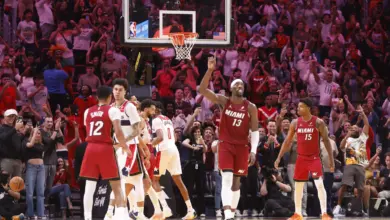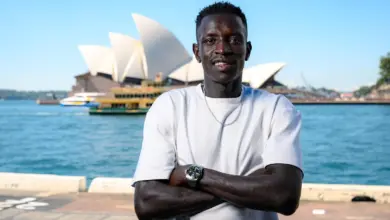
Conor Benn arrives on a card built around Tyson Fury’s return, but the most revealing part of the evening may be the 150lb catchweight bout against Regis Prograis. The fight sits beneath the heavyweight headlines, yet it carries its own tension: Benn is chasing momentum after his rematch win over Chris Eubank Jr, while Prograis insists retirement is not close. In a setting dominated by comeback narratives, this undercard contest offers a sharper test of timing, weight and ambition than the billing first suggests.
Why Conor Benn matters on a heavyweight night
The timing is important. Fury is returning after a 15-month retirement spell, and the Tottenham Hotspur Stadium card has been framed by questions about what comes next for him, including talk of a possible Anthony Joshua fight later in the year. But Conor Benn gives the event another layer. He returns to the ring for the first time since his rematch victory over Eubank Jr, and he does so at a slightly higher catchweight than the division he has publicly targeted.
That matters because Benn’s longer-term aim remains a run at world titles at welterweight. This bout sits in the middle of that ambition and the realities of matchmaking. Prograis is stepping up in weight for the first time, which creates a natural debate over whether the move narrows or widens the gap between them. The answer is not straightforward, and that uncertainty is exactly what gives this contest relevance beyond the undercard label.
Weight, experience and the value of risk
On paper, the fight appears heavily tilted toward Benn. He is the favourite, has the profile advantage, and is coming in on the back of a win over a former world title challenger at middleweight. Yet the context around Regis Prograis prevents this from being treated as a simple passing test. He brings a 30-3 record, six world title fights and a career spent mostly at lightweight and super lightweight, which means his experience is not only substantial but differently formed.
That experience is central to the intrigue around Conor Benn. Benn has not stopped an opponent since 2022, while Prograis has never been stopped. Those two facts do not make the fight predictable; they make it more resistant to shortcuts. Prograis’ age, 37, raises one set of questions, while Benn’s return to 150lb after bulking up for his fights with Eubank Jr raises another. Neither man is entering a perfectly settled version of himself, and that is where the competitive tension lies.
The broader card also adds pressure. Richard Riakporhe and Jeamie “TKV” Tshikeva are part of an undercard that includes fighters coming off recent defeats and title changes. That environment turns Benn-Prograis into more than a standalone bout; it becomes one of the night’s clearest indicators of how much risk the promoter is willing to place next to the heavyweight return.
What Prograis says about retirement and the fight’s meaning
Prograis has made clear that he does not view this as a final chapter. He said he does not think the bout will be his last, and he tied that view to his continued enjoyment of boxing rather than any immediate financial need. He also said he has set himself up financially, has multiple income streams, and still wants to become a three-time champion. Those details matter because they frame the fight as a competitive choice, not a farewell.
For Conor Benn, that creates a different kind of examination. Beating an opponent who is explicitly not treating the night as a retirement step would do more for Benn’s standing than a routine win against someone merely passing through. It would also strengthen the argument that he can still build toward the welterweight ambitions he has talked about, even if the route is longer than he might prefer.
Broader implications for the card and beyond
The event’s wider meaning is tied to how the evening is consumed. Fury’s comeback will dominate the headline space, but the undercard is where the long-term questions may become clearer. If Benn wins convincingly, attention will move back to what level he should be aimed at next and whether the move down toward welterweight remains realistic. If Prograis makes it difficult, the conversation changes immediately, because the fight would then have exposed the cost of stepping into unfamiliar weight territory.
That is why Conor Benn is more than a support act here. He is part of the card’s central argument about narrative versus substance: whether a comeback night is best remembered for a heavyweight return or for the fighter underneath it who has more to prove. In that sense, the match could influence how the rest of the year is framed for both men.
For Benn, the question is not only whether he wins, but what the win would mean next. For Prograis, it is whether he can turn a supposedly awkward assignment into proof that his career is still moving forward. On a night built around big names, Conor Benn may end up delivering the clearest answer of all.