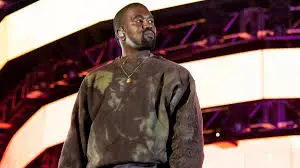
The wireless festival was thrown into uncertainty this week after officials blocked Ye, the artist formerly known as Kanye West, from entering the UK. What had been billed as a major summer booking in London instead ended with cancellation, refunds and a sharper public argument about who gets a stage.
What happened to Wireless Festival?
Wireless Festival has been cancelled after the Home Office withdrew Ye’s Electronic Travel Authorisation and denied him entry to the United Kingdom. The festival said refunds would be issued to ticket holders after the decision made his appearance impossible.
In its statement, the event said multiple stakeholders had been consulted before Ye was booked and that no concerns had been raised at the time. It also said antisemitism in all forms is abhorrent and acknowledged the real and personal impact of these issues. The move left organizers dealing not only with a cancelled headline set, but with the fallout from a booking that had already drawn strong criticism.
Why was the wireless festival booking so controversial?
The decision sits against a wider pattern of criticism directed at Ye over antisemitic remarks. The context behind the wireless festival cancellation is not simply a scheduling dispute; it is a response to an artist whose public statements have provoked outrage and raised questions about whether a major festival should have booked him in the first place.
Ye had made an application to travel to the UK on Monday through an Electronic Travel Authorisation, and it was initially granted online before being rescinded after review. Officials decided that his presence would not be conducive to the public good. That phrase became the central test in a dispute that moved quickly from music programming into public policy.
Who has spoken out about the decision?
Melvin Benn, managing director of Festival Republic, said Ye intended to come and perform, adding that organizers were not giving him a platform to express opinion, only to perform songs already played on radio and streaming services in the country. His comments showed the tension between a concert promoter’s focus on performance and the public reaction to the booking itself.
Keir Starmer, the prime minister, joined criticism of the festival over the weekend, saying it was deeply concerning that Ye had been booked despite previous antisemitic remarks and celebration of nazism. A spokesperson for the Board of Deputies of British Jews said the group would be willing to meet Ye if he pulled out of Wireless, while also making clear that the invitation to perform should be rescinded.
What happens now for ticket holders and the wider debate?
The immediate answer is practical: refunds are being issued to those who already bought tickets. But the wider impact goes beyond one summer event. The cancellation has reopened a debate about responsibility in live entertainment, the limits of rehabilitation, and the point at which public controversy becomes too large to separate from the stage.
Ye, for his part, said he hoped to begin a conversation with the Jewish community in the UK and offered to meet and listen. That message did not reverse the government decision, but it did add a final layer to a story now defined as much by absence as by performance. In the end, the empty slot at Wireless Festival may say as much as any headline act ever could about the cost of ignoring warning signs.