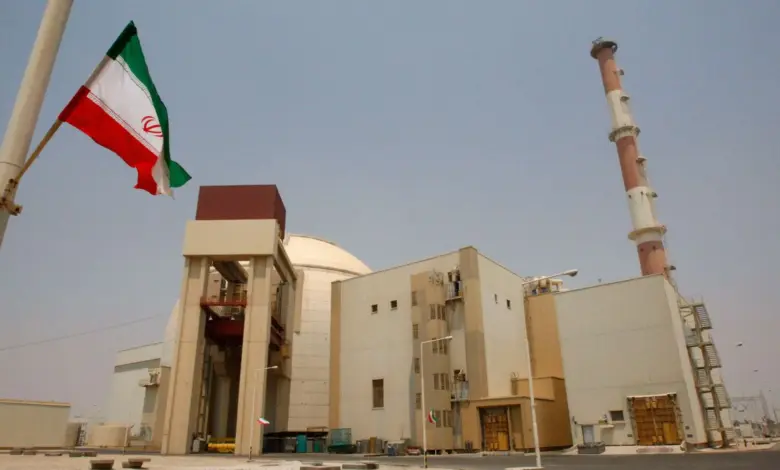
Bushehr is once again at the center of alarm after strikes hit near Iran’s only functioning nuclear plant on Saturday. The attack killed one security guard and damaged a side building, while officials warned the danger could spread far beyond Iran’s borders. The renewed pressure on Bushehr has intensified fears of a nuclear incident with consequences for the Gulf.
What happened near Bushehr
The Atomic Energy Organisation of Iran said missiles struck a location close to the plant on Saturday. Iran’s Foreign Minister Abbas Araghchi said Bushehr had been “bombed” four times since the war erupted on February 28, and he accused the United States and Israel of showing a “lack of concern” for nuclear safety. The plant sits in the coastal city of Bushehr, which has a population of 250, 000, and it remains Iran’s only operating nuclear power plant.
Bushehr Unit 1 currently supplies about 1, 000MW to the national grid. Two additional reactor units are expected to be operational by 2029. The facility has been struck repeatedly in the current war, and the latest hit added to warnings that even a nearby explosion can have consequences at a nuclear site built around sensitive infrastructure and cooling systems.
Why Bushehr raises alarm across the Gulf
Experts and regional authorities have long warned that bombing Bushehr could cause damage not just inside Iran but across neighboring countries. A strike on a reactor or on storage pools for used fuel could release radiological particles, including Caesium-137, into the atmosphere. Those particles can travel far beyond the site by wind and water, contaminating food, soil, or drinking water sources for decades.
Close exposure to such material could burn the skin and raise cancer risks. A strike on the lines supplying electricity to Bushehr could also disrupt the cooling system and trigger a reactor meltdown, creating a radioactive leak. In that scenario, evacuation orders could be needed within several hundred kilometres of the plant, extending into countries outside Iran.
Rafael Grossi, Director-General of the International Atomic Energy Agency, warned that a direct hit on Bushehr could “result in a very high release of radioactivity” with “great consequences” beyond Iran’s borders. He called for “maximum restraint” and said authorities might need to administer iodine and restrict food supplies if contamination spread.
Officials warn the risk is rising
Tedros Adhanom Ghebreyesus, Director-General of the World Health Organization, said on Sunday that he was raising the alarm again over the safety of nuclear facilities in Iran. He said the latest incident involving Bushehr was “a stark reminder” that a strike could trigger a nuclear accident with health impacts that would devastate generations.
Tedros called for immediate de-escalation as threats rise higher with the conflict continuing. The warning came after attacks on Saturday also struck petrochemical hubs, including the Mahshahr and Bandar Imam special petrochemical zones.
What comes next for Bushehr
The immediate question is whether further strikes will come closer to Bushehr or whether pressure on the site will ease. For now, the plant remains a focal point for international concern because Bushehr carries risks that extend well beyond a single battlefield. If attacks continue around Bushehr, the possibility of a radiological emergency will remain at the center of the crisis.
For Gulf states, the danger tied to Bushehr is not abstract: a strike could force emergency planning across borders and place the region on alert. The next developments around Bushehr will be watched closely by nuclear officials, health authorities, and governments seeking to prevent a wider disaster.