Linkedin Posts Expose ‘Significant’ Oracle Layoffs: Inside the Early-Morning Emails and the 10,000 Figure

Employees across Oracle began posting on linkedin after receiving early-morning emails notifying them that their roles had been eliminated as part of a “broader organizational change. ” Senior staff described a “significant reduction in force, ” with one estimate putting the number of people affected at about 10, 000 so far. The announcements come as the company continues heavy internal investment in artificial intelligence tools.
Linkedin posts and early notifications
Public posts on linkedin by current and former employees provide a blunt window into how the cuts were communicated. Michael Shepherd, a senior manager, wrote that “senior engineers, architects, operations leaders, program managers, and technical specialists” had been let go. Some employees described receiving notifications that “today is your last working day, ” and several noted they would receive one month of severance pay. Former Oracle employee Kendall Levin described her role as “eliminated as part of the company’s mass reduction in force. ” An Oracle spokesperson declined to comment.
Why the cuts matter: analysis and expert perspectives
The scale and timing of the job eliminations raise questions about the company’s operational priorities. Oracle has been spending heavily on AI and is reported to be using AI tools internally in ways executives have said enabled fewer employees to do more work. It is not known whether the latest cuts are directly related to that investment. Michael Shepherd emphasized that the “significant reduction in force” was not performance-based, writing that “the individuals affected were not let go because of anything they did or didn’t do. “
Internal communications reviewed by employees included standardized language: “After careful consideration of Oracle’s current business needs, we have made the decision to eliminate your role as part of a broader organizational change. ” That phrasing frames the action as structural rather than disciplinary, but it leaves open how head‑count reductions align with product road maps, customer commitments, or AI-driven efficiency claims.
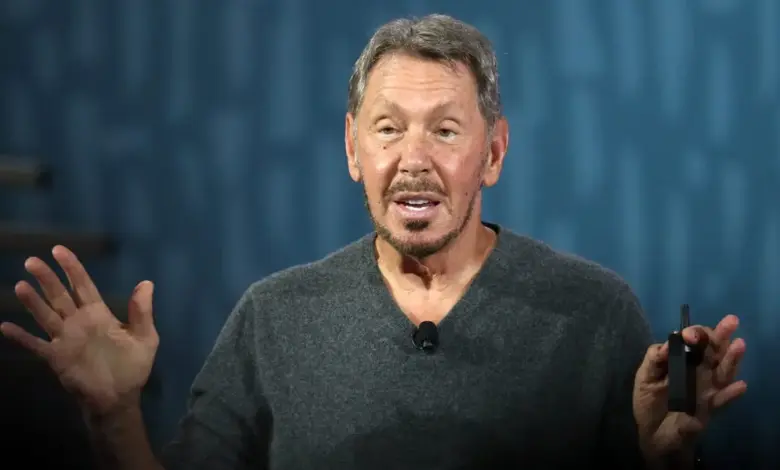
From a staffing perspective, the scale is salient: Oracle employed around 162, 000 full-time employees as of its most recent 10-K filing. The reported 10, 000 figure, if sustained or increased, would represent a material shift in workforce composition. Larry Ellison, Oracle’s co-founder, chairman, and chief technology officer, remains a central institutional figure as the company adjusts strategy and costs.
Regional and global consequences
The postings and emails indicate layoffs affected a range of groups across the company, with mentions of Oracle Health, Sales, Cloud, Customer Success, and NetSuite among areas where roles were impacted. Early indications suggest the cuts reached across geographies, though full global scope has not been disclosed. Industry context in the same period shows other large technology employers have also reduced head count, creating ripple effects for talent markets and customers who depend on contract and service continuity.
Public commentary from tech leaders in recent years has drawn similar lines between AI investment and workforce changes. Executives at other technology companies have argued that AI can allow smaller teams to maintain or expand output; those claims have been part of a broader industry narrative that has accompanied multiple rounds of reductions in recent years.
Operationally, customers and partners reliant on Oracle’s software and cloud infrastructure will be watching whether these workforce changes affect support levels, deployment timelines, or product road maps. The combination of mass notifications, severance terms, and public posts on linkedin has already shaped perceptions of how the company manages large-scale organizational change.
As Oracle continues to deploy AI internally and executives discuss productivity gains, the company faces strategic choices about workforce composition, customer commitments, and public messaging. The immediate human impact—early-morning termination notices and the perception of a mass reduction in force—has been documented by the employees themselves on linkedin.