trump news today: Donald Trump launched a blistering public attack on European governments on Tuesday, urging them to seize oil from the Gulf after they declined to join US-Israeli strikes on Iran. He pushed allies to “go get your own oil” and warned the US would end operations in Iran “very soon, ” shifting responsibility for the Strait of Hormuz to the states that rely on it. The tirade has coincided with moves by several European states to block basing and overflight access, and with officials in allied capitals urging de-escalation.
Trump News Today: What he said and the immediate fallout
From his Truth Social platform, Trump told governments worried about fuel shortages to “go get your own oil” by force from the Gulf, a phrase that lifted already rising oil prices. He singled out the United Kingdom and France for refusing to join the military action he described, urging them to “build up some delayed courage, go to the Strait, and just TAKE IT. ” He also said US forces would end operations in Iran “very soon, ” evoking a timeline of two to three weeks while the administration pursues talks with Iranian authorities.
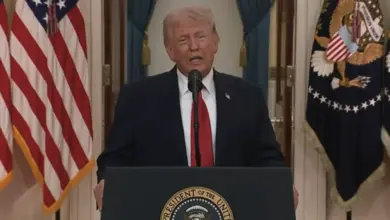
Trump framed the duty to keep the Strait of Hormuz open as the responsibility of the countries that rely on it: “That’s not for us … That’ll be for whoever’s using the strait. ” White House press secretary Karoline Leavitt announced that Trump will give an address to the US to “provide an important update on Iran. “
Reactions from Europe, US officials and Australia
European pushback has been visible and concrete. France blocked Israeli planes carrying military supplies from flying through its airspace while Italy refused last-minute permission for US bombers to land in Sicily. Spain denied US use of its bases and airspace for the war, and Madrid’s defence minister said the country would not “accept lectures from anyone. ” The office of the French president said it was “surprised” by Trump’s post and that Paris “has not changed its position since day one” of the war.
US officials amplified the pressure on allies. The US secretary of defence, Pete Hegseth, repeated calls for partners to “step up on this critical waterway, ” and specifically referenced the Royal Navy when criticizing the UK. The US secretary of state, Marco Rubio, said Washington will reassess whether NATO has “served this country well” or become a “one-way street where America is simply in a position to defend Europe. “
Outside Europe, Australian ministers pushed back on involvement. Health Minister Mark Butler said the government does not respond to every comment from Trump but emphasized that the fuel crisis has prompted calls for de-escalation and that Australia has no plans to send troops. Treasurer Jim Chalmers said the economic impact at home is a concern and that “the end of this war can’t come soon enough. ” Opposition foreign affairs spokesperson Ted O’Brien said the Coalition is open to contributing assets or personnel to help reopen the waterway, depending on national interest and specific requests.
Economic shock and strategic risks
Global frustration over the economic fallout is mounting. The Irish taoiseach, Micheál Martin, warned that the oil supply shock from the US-Israeli attack on Iran was “probably the worst ever. ” Plans to seize control of the Strait of Hormuz by force are described as high risk and unrealistic, while European countries have been working on plans to buy more US oil to mitigate disruptions.
What’s next — possible developments to watch
Expect a short-term intensification of diplomatic activity and public posturing: Trump will address the nation with an “important update on Iran, ” and European capitals are likely to clarify basing and overflight positions. Military planners and energy markets will be watching any moves around the Strait of Hormuz, and coalition debates over basing rights and burden-sharing appear set to continue. For now the controversy remains front and center in trump news today as allies weigh de-escalation against strategic pressure and economic strain.