Inside the thrilling ‘Top Gun’ flights piloted by NASA Chief Jared Isaacman — Two F-5s, patriotic paint and astronaut-grade thrills

jared isaacman is using two privately owned Northrop F-5 Tiger jets to give what he calls once-in-a-lifetime flight experiences to exceptional NASA employees, personally covering the cost and wrapping the jets in a patriotic paint scheme to recognize America’s 250th birthday. The flights combine high-G maneuvers, hands-on co‑pilot access and aerial views of Kennedy Space Center facilities used for current launch operations.
Background & context: Why the F-5 flights matter now
After taking the job as NASA Administrator, Isaacman announced the agency would have access to two privately owned Northrop F-5 Tiger aircraft. The jets, now painted in a new patriotic scheme tied to America’s 250th birthday, are based in a NASA hangar at the Kennedy Space Center in Florida. The administrator says the flights are intended as a tangible thank-you for exceptional performers at the agency; passengers are outfitted with NASA jumpsuits, fitted helmets and oxygen masks and receive a safety briefing before boarding.
Jared Isaacman’s ‘Top Gun’ flights: what happens in the cockpit and in the sky
The experience is engineered to mirror elements of tactical flight: passengers sit in the co‑pilot seat with access to a control stick, and pilots perform a series of in‑air maneuvers that demonstrate G‑forces, including multiple barrel rolls. GoPro and 360‑degree cameras mounted in the cockpit record the entire flight, and footage is later provided to the participants. The airborne profile includes formation work with a wingman, close‑proximity exchanges where pilots fly beside and beneath each other, and aerial passes that reveal the Kennedy Space Center footprint and multiple launch and landing pads preparing for rocket operations.
Isaacman frames the initiative as both recognition and practical exposure. “If you work at NASA, you’re pretty much a top performer, but the best of the best we take up for flight experiences like this is just as a thank you for giving it all they got, ” said Jared Isaacman, NASA Administrator. He also emphasized the training dimension: “Aviation is really important to what we do at NASA, ” Jared Isaacman, NASA Administrator, said, noting that in‑air experiences complement simulator time for astronauts.
Expert perspectives and operational links to ongoing missions
The flights have drawn internal participation from senior agency staff: Isaacman and his wingman were joined on at least one flight by senior advisor Sean Gustafson and NASA press secretary Bethany Stevens. The flights’ vantage point over Kennedy Space Center has immediate operational resonance: observers on the flights can see landing pads and launch infrastructure that support current missions.
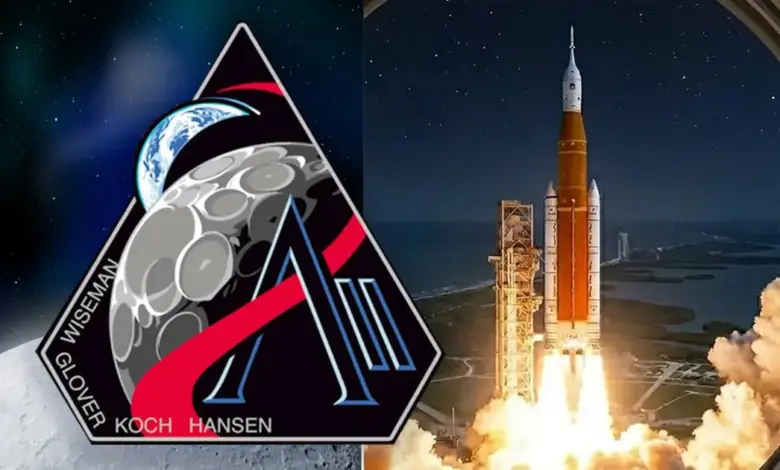
The parallel with active exploration efforts is tangible. Artemis II launched from Launch Pad 39B at Kennedy Space Center, sending a four‑person crew on a roughly 10‑day mission that includes an Earth orbit, a lunar flyby beyond the Moon’s far side and a free‑return trajectory culminating in an ocean splashdown. That mission’s timeline included a 2‑hour launch window opening at 6: 24 p. m. ET, a postlaunch news conference scheduled for 9 p. m. ET, and sequential spacecraft milestones: separation of the Space Launch System core stage after main engine cutoff, deployment of Orion’s four solar array wings about 18 minutes after launch to create a wingspan of roughly 63 feet, and arrays composed of 15, 000 solar cells per wing that can rotate on two axes to track the Sun.
Those concrete mission steps underline why in‑air familiarity and direct observation of launch infrastructure matter: the F-5 flights offer employees an operational perspective on the pads, stages and hardware that they support on the ground and in flight.
Passengers who take these flights experience both the visceral dynamics of high‑performance jets and an aerial reconnaissance of preparation areas for rockets and spacecraft, reinforcing institutional ties between aviation proficiency and human spaceflight operations.
The flights are being funded personally by the administrator, and the aircraft remain under his ownership while operated for agency benefit. Senior officials and press representatives have accompanied flights, and cockpit footage is made available to passengers after missions.
As NASA balances internal recognition programs with a busy launch tempo, the intersection of staff morale, hands‑on aviation exposure and visible launch infrastructure raises questions about how veteran operational experience is translated into mission readiness and public commemoration. Will the flights become a recurring element of internal recognition and training, or remain a limited, high‑visibility initiative linked to this administration and the 250th anniversary observance? The answer may shape how the agency blends aviation culture with human spaceflight preparation going forward.
jared isaacman