The ritual of 1er avril blagues poisson returns with familiar mischief and new cautions. This year’s angle blends low-tech classroom gags and social-media timing with an insistence from practitioners that a good prank is as much about staging as surprise. From printable paper fish to food-switch tricks, the brief handbook below draws directly on advice from educators and professional clowns who work with children and audiences in clinical settings.
1er Avril Blagues Poisson: Practical pranks and staging
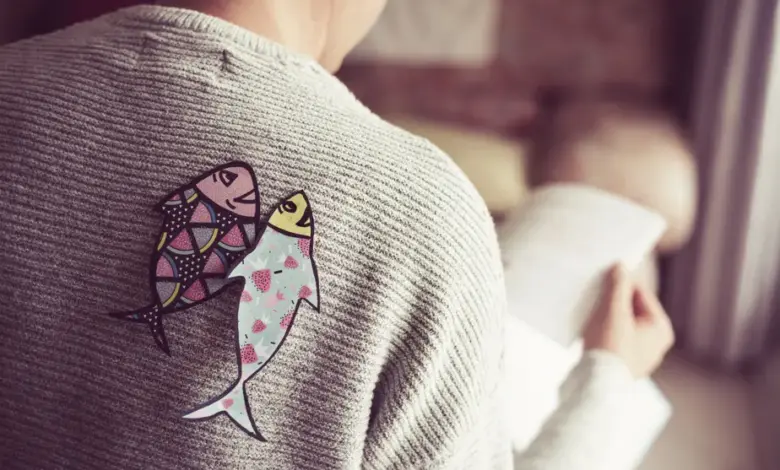
Simple, harmless pranks remain the most widely recommended: seven easy ideas include food swaps (a donut filled with mayonnaise, a faux ice cream made of mashed potatoes, or an apple replaced by a caramel-coated onion), small office tweaks (changing a colleague’s phone language or enlarging screen text), and classic physical gags such as a paper fish taped to the back. For low-prep mischief, printing and coloring fish templates can supply the traditional “poisson in the back”; an arts workshop has prepared printable fish sheets explicitly for that use.
Practitioners stress that the illusion must be carefully staged. Guillaume Paquet, who works with Fondation Dr Clown in a hospital on the Rive-Sud, says, “The key for a good April Fool is first the staging. You have to think about it. ” He describes using deliberate clumsiness in clowning so the gag is easily unmasked by children, producing shared delight rather than confusion. Early timing is another practical tip to prevent a joke from getting lost in the day’s noise.
Origins, context and the risk of falsehood
The tradition behind 1er avril blagues poisson has several proposed origins preserved in archival summaries. One account traces symbolic links to Roman springtime celebrations associated with the goddess Venus and fish imagery, cited by the Réseau de diffusion des archives du Québec. Another explanation points to a 16th-century calendar reform under Charles IX of France that shifted New Year observance and reportedly produced the label “fools of April. ” An additional rationale cites fish behavior in spring as an explanation for the expression, a view noted by the Library of Congress.
That uncertain provenance matters because the day itself has produced fabricated origin stories. A well-known invention from 1983 attributed to Professor Joseph Boskin of the University of Boston — later withdrawn by a news agency — is a reminder that even explanations about the holiday can be contrived. Readers are therefore urged to separate celebratory mischief from deliberate misinformation during the same period.
Expert perspectives: tone, identity and limits
Juliette Payer, who teaches social media at École nationale de l’humour, emphasizes several guardrails for public or online pranks: “The essential thing in humor is a lot of surprise, ” she says, adding that producers should avoid vulgarity, not disappoint audiences, and tie jokes to current events when relevant. She advises creators to make pranks consistent with their public identity: “Make an April Fool that is very much in our identity… it will be more meaningful and engaging than something generated, for example, by ChatGPT. “
Paquet underscores the snowball effect of humor in group settings: an initial joke often encourages others to join in, and adults will play along once the performer opens the door. He frames clowning technique as intentionally “demasquable”—the performer appears inept so children enjoy revealing the trick themselves, transforming embarrassment into shared laughter.
Practical safety and etiquette arise repeatedly: avoid vulgar elements, do not create real distress, and consider timing and audience. In schools, teachers have successfully used surprise treats that turn out to be vegetables or emptied boxes as harmless payoffs that generate laughter rather than harm. In workplaces, harmless digital pranks—such as a temporarily altered background or a taped mouse sensor—can produce smiles if executed in good taste.
At the same time, there is a tension between inventiveness and saturation: many who attempt humor on this day can create a crowded field of pranks that dull impact. Both Payer and Paquet recommend focusing on clear staging and a recognizable identity to cut through that clutter.
Will the next wave of 1er avril blagues poisson favor old-fashioned paper fish and mashed-potato “ice cream, ” or will social-media timing and playful digital edits dominate? The answer will depend on who values surprise, who remembers the limits of taste, and who chooses staging over shock.