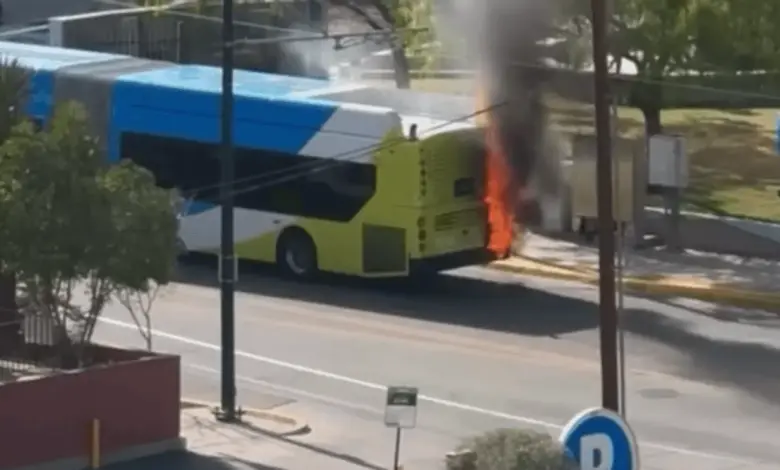
The local transit system has faced two starkly different emergencies in quick succession: a downtown bus that erupted in flames tied to an air-conditioning mechanical failure, and a separate compressed-natural-gas maintenance blast that killed two employees. The first incident, involving a metrobus that caught fire near Oregon Street and Franklin Avenue, sent crews to the scene at about 4: 30 p. m. ET and ended with no injuries. The maintenance explosion in February 2025, however, produced multiple casualties and extensive structural damage, prompting urgent questions about safety around alternative-fuel vehicles.
Background and context: what we know about the two incidents
Firefighters knocked down the downtown blaze after being called at about 4: 30 p. m. ET; video captured flames shooting from the rear of the vehicle. The El Paso Fire Department carried out the response, and all passengers were evacuated by the operator with no reported injuries. Sun Metro has characterized preliminary findings as pointing to an accidental mechanical failure tied to the vehicle’s air-conditioning system. The agency emphasized that the bus had recently undergone routine preventive maintenance and inspection and that maintenance operations remain fully operational despite concurrent reconstruction at its Maintenance Facility Center.
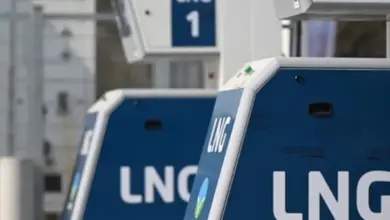
Separately, in February 2025 a compressed natural gas (CNG) Sun Metro bus slipped from a hydraulic lift inside a maintenance bay, puncturing a CNG cylinder and triggering an explosion and two-alarm fire. Security footage captured the bus toppling and the ensuing rapid-fire deflagration that ripped through work bays, collapsed portions of the roof and walls, and left several workers injured. Local responders included roughly 100 firefighters and about 48 fire units; seven people were treated for injuries, three declined immediate care, and four were hospitalized. Two of the injured workers, identified as Sun Metro employees Ruben Ibarra and German Garcia, later died from their injuries.
Metrobus maintenance blast: chain of failures and immediate implications
Available footage and investigative notes outline a sequence in which an unstable lift event led to a mechanical impact on a pressurized cylinder, causing an uncontrolled gas release that ignited in a catastrophic blast. The aftermath exposed not only human losses and a heavily damaged facility, but also operational disruptions as the agency focused on stabilizing the damaged maintenance center, coordinating insurance, and planning repairs to return the site to service.
The maintenance explosion has highlighted distinct risks associated with CNG fleets: a dropped or displaced vehicle can produce punctures to high-pressure storage systems, and confined bay geometry can amplify blast and thermal effects. Those factors compound pressure on emergency response, facility design, and worker protection protocols. At the same time, the downtown AC-related fire underscores that conventional mechanical failures — in this case, an air-conditioning system — can produce visible and alarming flames even when they do not result in injury.
Official responses and accountability
The city of El Paso, issuing a statement on behalf of Sun Metro, framed the downtown incident as an accidental mechanical failure tied to the vehicle’s air-conditioning system and stressed that passenger and employee safety are priorities. The statement noted that the operator evacuated all passengers and that the episode did not cause a significant disruption of service. Sun Metro also said it is conducting a thorough internal review and reiterated that the fleet is maintained in accordance with federal and industry safety standards, with regular scheduled inspections.
In the wake of the maintenance explosion, investigators have pointed to the need to scrutinize facility design, ventilation, gas monitoring systems, and specialized worker training when maintaining alternative-fuel fleets. The agency is concentrating on stabilizing the site and planning repairs while handling insurance matters. The human toll — the deaths of Ruben Ibarra and German Garcia and multiple injuries — has intensified demands for clear, publishable findings from formal investigations and for concrete mitigations to prevent recurrence.
Looking ahead: regional safety and operational consequences
The paired incidents place competing demands on transit leadership: maintain day-to-day service reliability while accelerating reviews of maintenance practices and facility safety systems. For riders and employees, faith in routine safety checks is now being tested by a visible mechanical fire downtown and a far more destructive maintenance explosion. Operationally, a damaged maintenance facility complicates fleet upkeep and could lengthen service recovery timelines if spare capacity or alternate facilities are required.
Conclusion: how will the metrobus system reconcile maintenance risks with public confidence?
With one fire traced to an air-conditioning mechanical failure and a separate maintenance-stage CNG explosion that cost two employees their lives, the transit agency faces technical, procedural and public-relations challenges. Will the internal reviews and stabilizing actions translate into measurable upgrades to facility design, monitoring, and worker training that reduce both conventional mechanical risks and the unique hazards of alternative fuels? The coming investigation findings and remedial steps will determine whether these incidents become catalysts for systemic improvement or remain isolated tragedies.