Ronaldo Still Key for Portugal Despite Injury Absence — Martinez Lays Out 3 Pillars of World Cup Prep

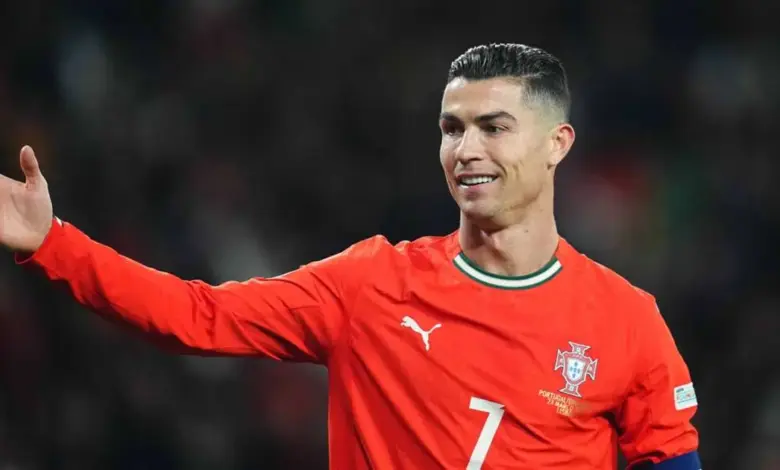
Roberto Martinez insists ronaldo remains central to Portugal’s plans even while a hamstring injury has kept him out of the current international window, a tension that has shaped the team’s immediate build-up to the World Cup. Martinez expects the captain to be available for the tournament and framed his preparation strategy around managing travel, recovery and the psychological burden players face when separated from family for extended periods.
Background and context
The issue is straightforward in its facts: ronaldo is sidelined with a hamstring injury that prevented him from playing during the latest international break. Martinez noted the player may be able to return to training within a week, while also acknowledging the unpredictable nature of form and fitness ahead of a major tournament. Should ronaldo appear at the finals in the United States, Canada and Mexico, he would extend an already record-breaking run by playing in a sixth World Cup.
Portugal’s recent 0-0 draw with Mexico underlined the practical cost of his absence. Martinez highlighted the team’s inability to find a goalscoring edge without its talisman, a result that exposed finishing issues: Portugal had 10 shots with an aggregate expected-goals value of 1. 4 but managed only two on target. Martinez also confirmed that other defensive options are missing this window, with Nelson Semedo and Ruben Dias out of selection.
Ronaldo’s availability and influence
Martinez articulated a dual truth: he is confident the squad can perform with or without ronaldo, yet he stressed the captain’s unique influence on and off the pitch. He described the player as “very important, very influential, ” who “still plays a fundamental role as captain. ” That influence is measurable in career totals and recent form: Portugal’s all-time leading scorer with 143 goals, and a player Martinez noted had scored 25 goals in the last 30 games.
The coaching staff faces practical choices. Martinez observed that “a lot can happen before you get to the World Cup, injuries, periods of poor form, ” urging calm while the team adapts. He also emphasized the player’s mindset: “It’s difficult to say, with Ronaldo, I learned not to predict the future, ” and added that the forward “tries to be the best today. ” Those statements frame Portugal’s selection calculus—valuing leadership and finishing ability while preparing contingency plans for game scenarios in which ronaldo is absent or limited.
Expert perspectives and regional impact
Roberto Martinez, Portugal coach, has tied his assessment of ronaldo’s role to a broader operational plan for the World Cup. Martinez has placed priority on acclimating players to the tournament’s unusual logistics by scheduling friendlies that replicate expected conditions: an altitude fixture followed by a match on temporary indoor turf, and travel patterns that mimic the event’s demands. The coach warned of unique “red flags” tied to travel, weather and training times and explained that the team’s preparation plan includes deliberate exposure to those challenges.
Martinez also highlighted the human side of tournament preparation. He outlined a regime intended to manage mental fatigue and family separation, stating that players will receive “seven days off at the end of their season” before regrouping, and noting the difficulty of asking players to be away from family for extended periods. The coach framed this welfare work as central to winning: managing the personal burdens of a long tournament is, in his view, “where the work is. ” Portugal’s friendly against the United States in this window is part of that deliberate approach to acclimatization and match-readiness.
From a regional perspective, the approach acknowledges the tournament’s dispersion across three countries and multiple climates. Martinez’s pragmatic scheduling—choosing fixtures that echo the logistical pressures the team will face—reflects a belief that experiential preparation can blunt some competitive disadvantages tied to unfamiliar environments. That strategy elevates the importance of ronaldo not only as a scorer but as a stabilizing presence amid complex operational demands.
Ultimately, Martinez framed the immediate weeks as a balance between optimism about ronaldo’s return and realism about the unknowns of tournament football. He reiterated that the team must remain calm and prepared whether their talisman is on the pitch or recovering, and that managing individual welfare and logistics is central to Portugal’s chances.
Will Portugal reach the World Cup fully equipped to maximize ronaldo’s influence while insulating itself against the contingencies his absence would create? The coming weeks will test Martinez’s three pillars of preparation and the team’s ability to convert planning into performance.