Introduction
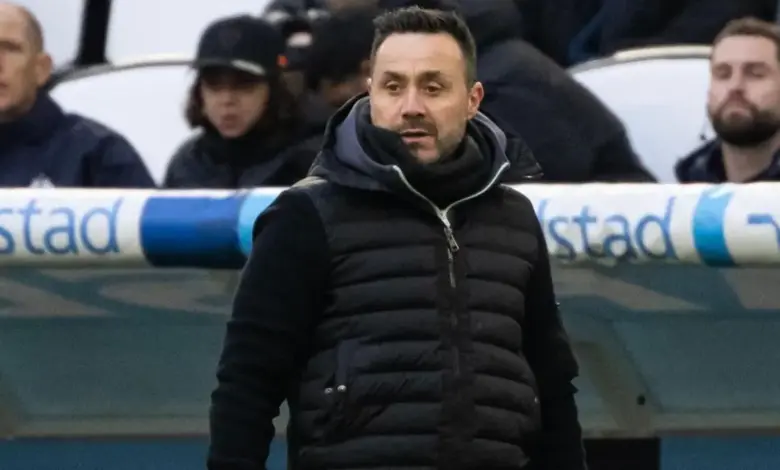
The arrival that many thought would wait for the summer is now imminent: de zerbi has agreed in principle to take charge of Tottenham with a dual mission — salvage the final stretch of the season and lay the groundwork for a summer rebuild. The decision arrives amid a swirl of fan protests, high managerial turnover across the Premier, and the blunt arithmetic of a club teetering near relegation.
Background & context: Why this matters now
Tottenham are confronting a compressed timeline and acute risk. The club begins the 31st matchday with just a single-point cushion above the relegation zone and faces a critical fixture at Sunderland that will be the first under the new coach. The Premier season offers only seven remaining matches to avoid the nightmare of the Championship, and the incoming appointment is packaged with more than traditional coaching duties: ownership envisions a manager with expanded, club-wide responsibilities and a multi-year plan.
The switch to de zerbi follows a turbulent managerial sequence at the club. Thomas Frank was dismissed mid-season, succeeded almost immediately by Igor Tudor, whose tenure lasted seven matches and forty-four days before ending late in March. That churn has been part of a wider Premier pattern: clubs this season have spent nearly 50 million pounds on managerial exits, a financial backdrop that makes every appointment both costly and consequential.
De Zerbi’s delicate entrance: immediate goals and structural intent
The immediate brief is narrow and unforgiving: extract enough points in the remaining fixtures to secure Premier survival. Practical constraints are clear — roughly ten days of preparatory work before the Sunderland match, little room to fully implement new tactical systems, and pressure to prioritize short-term results while also signalling a credible long-term project. Ownership is reportedly ready to offer a long-term contract intended to underpin a broader rebuild; the coach’s agreement to accept an immediate return after previously signalling a summer-only availability marks a decisive shift in the negotiation dynamic.
Structural ambition is notable. The club sees the incoming manager as a potential architect of reconstruction extending beyond matchday coaching, a role more aligned with traditional English managerial models than the narrower head-coach remit the coach held at his previous club. That tilt toward an expanded remit is part pragmatic — centralising accountability amid repeated turnover — and part strategic, designed to stabilise a club whose season has exposed governance and recruitment vulnerabilities.
Deep analysis & expert perspectives
There are three intertwined risks. First, on-field performance risk: a new coach steeped in higher-level planning can struggle to deliver instant points when the margin for error is minimal. Second, reputational risk: vocal fan groups have mobilised against the appointment, invoking earlier episodes in club history when public opposition altered executive decisions. Third, financial risk: the Premier’s surge in severance and compensation costs raises the stakes of any misstep.
Voices within the football community are split between those emphasising short-term damage control and those prioritising the long-term blueprint. Roberto De Zerbi, identified as the incoming manager, brings recent top-flight experience elsewhere and a reputation that convinced ownership the rebuild should start from the managerial appointment. Gennaro Gattuso’s 2021 episode at the club is a living precedent: then, fan mobilisation effectively blocked an appointment, underscoring how supporters’ organised interventions can influence strategic choices and test governance resolve.
Regional and broader implications
The case has resonance beyond a single club. First, it highlights a Premier tendency to treat managerial change as an expensive corrective rather than a managed, strategic transition. Second, it raises questions about the interaction between club values, supporter activism, and appointment decisions; organised fan movements are no longer peripheral but central actors in a club’s risk calculus. Third, the appointment-and-rebuild narrative, if successful, could become a template for other clubs seeking to align long-term technical leadership with institutional reform.
The wider market pressure — where clubs have aggregated nearly 50 million pounds in exit costs this season — also reframes every hiring decision as both sporting and balance-sheet judgement. For Tottenham, the calculus is acute: survival preserves the possibility of a patient rebuild; relegation would force an immediate, likely destabilising rethink.
Conclusion
Tottenham have placed a high-stakes bet by accelerating a plan that was once earmarked for summer: de zerbi must now convert short-term rescue into long-term renewal under intense scrutiny from supporters and a league where managerial churn carries heavy financial consequences. Will the club’s gamble on a managerial architect restore stability, or will the combination of time pressure, fan resistance, and costly churn make this another chapter in a deeper structural crisis?