Chèque Énergie: Three Waves Start April 1 — Department-by-Department Rollout and What to Expect

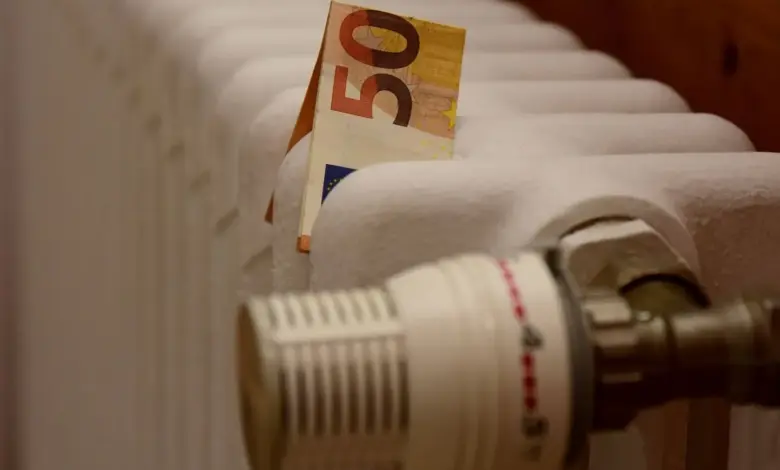
Millions of households are set to receive the chèque énergie beginning Wednesday, April 1, 2026, in a phased mailing that runs through April 20. The government returns this support to its spring timetable after the prior year’s exceptional delay, with automatic mailings for identified beneficiaries and a targeted communication campaign for those not automatically identified.
Chèque Énergie: phased calendar and departmental waves
The 2026 distribution is organized in three successive waves spread across departments. The first wave spans April 1–3 and covers roughly thirty departments, including several overseas territories. The second wave, the largest, takes place April 7–10 and extends to around forty departments. The final wave runs April 13–20 and includes Paris and many departments of Île-de-France. Recipients typically receive the mailing within two to four days after dispatch, and the 2026 cheques will be valid until March 2027.
Eligibility, amounts and administrative outreach
The chèque énergie remains a targeted measure for households with limited resources. In 2025, benefit levels varied between 48 and 277 euros and 3. 8 million households received the payment automatically. Eligibility in 2025 used a reference income threshold of 11, 000 euros of reference fiscal income per consumption unit; the exact eligibility ceilings and 2026 amounts have not been formally confirmed by the ministry of the Economy.
The administration has signaled an outreach effort to capture households that were not identified automatically. “The sending of a communication campaign (email, SMS, postal mail) informing potential beneficiaries who will not have been matched automatically will begin on April 1, ” the administration stated. Households that believe they are eligible but do not receive a mailing can test eligibility on the official service portal and file a request through December 31; in successful cases the cheque is then dispatched roughly a month after acceptance.
Operational implications and what households should do
Operationally, the staggered schedule aims to manage postal flows and ensure coverage across metropolitan and overseas departments. Automatic issuance will reach many households; however, historical challenges in identifying all eligible recipients persist following changes to the tax-based identification mechanisms. For households not detected automatically, the planned mail, SMS and email notices are designed to trigger claims before the year-end deadline for requests.
For practical planning, recipients should monitor postal delivery in the days after each wave for a cheque arriving in their mailbox and retain it until its expiry in March 2027. The cheques are intended to be used toward energy bills and related uses identified by the program.
Institutional signposts to watch in the coming weeks include the departmental calendar published by the chèque énergie portal and any formal communications from the ministry of the Economy clarifying 2026 amounts and eligibility parameters.
As households prepare for the spring mailing, three operational risks deserve attention: incomplete identification of eligible recipients, potential postal delays within the two- to four-day window after mailing, and uncertainty over the 2026 maximum amounts. The administration’s communication campaign launching April 1 is the principal mitigation measure for the first risk.
The phased rollout and outreach reflect an attempt to normalize timing after the previous year’s late disbursement, which shifted payments into November 2025. Returning payments to the spring schedule restores predictability for budget planning among modest-income households.
Will the departmental staging and communications capture the households missed in earlier rounds and deliver timely relief this spring — and will the ministry confirm amounts that meet need for the most vulnerable? The chèque énergie campaign beginning April 1 will provide the first answers.