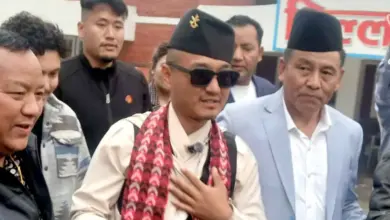
Balendra Shah will be sworn in as prime minister of nepal after a landslide victory that followed last year’s youth-led protests. The rapper-turned-politician enters office carrying popular momentum from his anti-corruption songs and a mayoral record that foregrounded urban clean-up and controversial enforcement actions. His first moves — a unity-themed rap released shortly after the election and a pledge for a cabinet that will make “100 decisions” — frame this moment as an inflection point.
What happens now as Prime Minister Of Nepal takes office?
The Rastriya Swatantra Party holds a commanding majority in the lower house, and Shah is set to take the oath on Friday from the president. The new administration’s immediate architecture is taking shape amid intense internal consultations. Chief Secretary Suman Raj Aryal has collected feedback from line ministries and submitted a list of potential actions for the first Cabinet meeting. Party president Rabi Lamichhane and Shah have met repeatedly to finalise programmes and ministerial choices; those discussions have so far left some key portfolios unresolved.
Immediate items that the incoming government intends to address include:
- Adopting a package described as “100 decisions” focused on governance reform and easing public service delivery, with an emphasis on digitisation.
- Announcing relief measures for citizens on the first day that ministers take office.
- Finalising a ministerial line-up while negotiating the number of ministries and representation targets.
Negotiations inside the party have exposed friction on several fronts: the total number of ministries (16 or 18), how to meet a 33 percent target for women’s representation, and contention over key portfolios including the home ministry. Names under discussion for top roles are circulating within the party leadership as they attempt to reconcile competing claims before the oath-taking.
What forces will shape the new government?
Three linked forces stand out. First, a youth-driven demand for change that fuelled last year’s protests and made Shah’s music a rallying cry. Protesters adopted his song “Nepal Haseko, ” and widespread anger over corruption and elite rule remains a defining political pressure. Second, Shah’s personal brand — forged in the underground rap scene and bolstered by a three-year mayoral tenure in the capital — gives him both popular authority and policy expectations, particularly on anti-corruption and urban governance. Third, organisational constraints inside a young party are decisive: the Rastriya Swatantra Party is a recent formation and debates over ministerial composition reveal capacity and cohesion risks.
Institutional actors will matter as well. The president will administer the oath and the civil service is already feeding recommendations into the new leadership’s road map. Voices from the outgoing caretaker administration have emphasised hopes that a younger government will tackle corruption, governance and jobs; inquiries into last year’s protest crackdown are also on the public agenda.
What if the ‘100 decisions’ agenda succeeds, stalls or fractures?
Best case: The first Cabinet meeting produces a clear, deliverable set of decisions that push digitisation of services and immediate relief measures. A cohesive ministerial team, agreed through compromise, translates popular mandate into visible improvements in service delivery and anti-corruption steps, consolidating public trust.
Most likely: The government moves forward on a prioritised subset of the 100 decisions while lingering ministerial disputes and intra-party bargaining slow some initiatives. Progress will be visible on administrative digitisation and selected relief measures, but systemic change will take longer than public expectations.
Most challenging: Persistent factionalism over portfolios, failure to meet the promised representation targets, or an inability to deliver tangible relief could erode the initial mandate. That would raise the risk of renewed public frustration and test the capacity of a young party to govern at scale.
Observers and stakeholders should watch three signals in the coming days: the final ministerial line-up, the agenda adopted in the first Cabinet meeting, and the mechanisms set for implementing the 100 decisions. Those indicators will determine whether the popular surge that elevated Balendra Shah can be translated into durable governance gains under the new prime minister of nepal