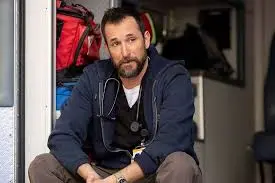
On the first morning of a 15-hour shift, the fluorescent lights hum, the waiting room is full and the department’s nickname—the pitt—feels less like a place and more like a pressure cooker. Patients drift from chairs to hallways; a senior doctor arrives with a motorcycle helmet under his arm and the weight of recent loss in his eyes. It is in this crowded, urgent scene that The Pitt unfolds, offering a single, almost real-time day in a beleaguered emergency department.
What is The Pitt and why does it feel like ER grown up?
The Pitt is a Pittsburgh-based medical drama led by Noah Wyle as Dr Robby, the senior attending who calls the underresourced department the Pitt. The first season runs across 15 episodes that cover a single shift in almost real time, and the series comes from much of the same creative team behind ER. Wyle’s career is itself part of the narrative frame: he arrived on television in 1994 as John Carter and carried that arc through to 2009; here he brings a weathered, quietly humane energy to Robby.
Storytelling moves between bursts of grisly urgency—a gunshot wound; a subway trauma; graphic injuries described in raw terms—and longer, threaded arcs that examine the department’s daily grind. The show has both the punch of episodic emergencies and the steadiness to follow characters through crises that span hours and seasons. Its first season was presented as a kind of continuous shift; later seasons follow the same day-in-the-life premise.
How does the single-shift structure shape the drama?
By limiting each season to a single day, The Pitt magnifies how quickly systems fracture under strain. Patients overflow from waiting rooms into hallways; non-urgent cases can sit for hours or days unless crisis demands immediate attention. Robby carries PTSD from the death of a mentor in the pandemic and experiences PPE-shaped flashbacks to overflowing Covid wards. That trauma threads through decisions made on the fly and underlines the human cost of chronic underfunding.
The series does not shy from difficult images: the opener includes a degloved foot, and subsequent episodes describe severe facial injuries. Yet the show balances gore with quieter moments—an unstoppably vomiting woman whose true crisis is revealed only slowly; an elderly man flagged for mild lung issues whose dementia complicates care. These scenes illustrate how emergency medicine is often the frontline of broader social problems.
Who speaks in the emergency room, and what are they saying?
The cast assembles a chorus of professionals and trainees. Charge nurse Dana, played by Katherine LaNasa, keeps the department moving and quips, “Who else is going to get this place through the Fourth of July weekend. ” The resident Langdon, the cocky intern Santos and the brittle medical student Javadi populate the shift alongside Dr Robby and the tech-savvy Dr Al-Hashimi, played by Sepideh Moafi. In one exchange Dr Al-Hashimi asks, “Her gut?” and Robby replies, “Yeah—it’s this thing that AI will never have, ” a moment that captures generational tensions about intuition and technology in medicine.
Beyond individual scenes, the show engages with hot-button topics: sex trafficking, online misogyny, racial inequality in healthcare and neurodivergence appear as integral threads rather than background notes. The series has been framed by some as part of a post-pandemic wave of medical storytelling and was celebrated on the awards circuit, having swept the Emmys last year.
When Robby contemplates a sabbatical—a cross-country bike trip he dubs “zoom therapy” in conversation with a psychiatrist—the script lets the tired compassion of an attending collide with the demands of a department that cannot pause for respite.
Back in that first-morning scene, the lights still hum. The waiting room remains full, and staff trade quick, necessary kindnesses amid exhaustion. The Pitt shows how a day in the emergency department is never simply a sequence of cases but a compressed mirror of social strains, professional devotion and human vulnerability. As the season progresses, that opening shift reads differently: not just as a sequence of medical puzzles but as the slow accumulation of acts that keep a hospital standing in hard times—acts that may, in the end, keep Dr Robby and his team going through another long night in the pitt.