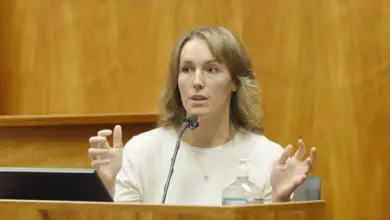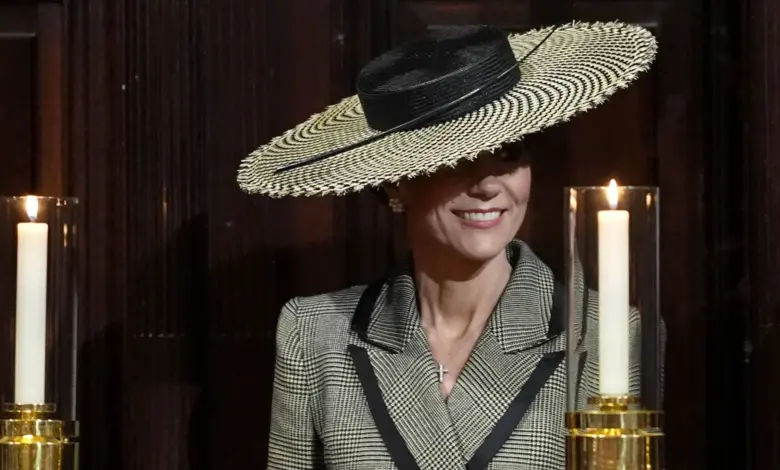
Sunlight pooled on the stone floor of Canterbury Cathedral as Sarah Mullally, newly installed as the 106th archbishop of canterbury, took her place in the seat that has guided the Church of England for centuries. The service drew royal attention — the Princess of Wales was present for the Enthronement Ceremony — and marked a visible shift in a church long wrestling with questions of authority, identity and trust.
Who is the Archbishop Of Canterbury, and what is her background?
Sarah Mullally is the first woman to take this office for the Church of England. Her life before the church’s national leadership included a career in nursing: she studied at South Bank Polytechnic and worked as a staff nurse at St Thomas’ hospital in London. At 37 she became chief nursing officer for the NHS, a role that brought senior Whitehall responsibilities and meetings with the prime minister. Five years after that senior post, she left to train for ordained ministry and later served as a parish priest. Nick Baines, former bishop of Leeds who appointed Mullally to her first parish priest role, described her as “solid, stable, ” saying that she is not driven by pretension but by measured, collegial leadership.
What immediate challenges will the new archbishop of canterbury face and how has she positioned herself?
Mullally steps into leadership at a difficult moment. The Church of England has been shaken by revelations in a commissioned report on the serial abuser John Smyth, and her predecessor, Justin Welby, left the post amid criticism over responses to those allegations. Mullally has acknowledged the “huge weight of responsibility” and told the Church of England’s General Synod that her theme as leader is “washing feet, serving and caring for others. ” She pledged, in her first presidential address, to be “calm, consistent and compassionate to all. ” Tim Wyatt, an author and commentator on the Church of England, described Mullally as “reserved and private, ” “strikingly ordinary, ” and “quietly competent and reliable, ” language that signals how many inside the institution expect her to approach contentious unresolved issues.
Safeguarding is a central and urgent issue. Criticism over previous handling of abuse complaints prompted a near-existential crisis for the church; Mullally has said she will work to rebuild confidence and trust. She has faced criticism from an abuse survivor about her own handling of allegations, but a review concluded the complaint was vexatious. Nick Baines framed her appointment as intended to bring steadiness: “That’s why she’s been appointed: solid, stable, ” he said, adding that Mullally prefers consensus to conflict and is seen as a team player.
How are different parts of the church and public responding, and what might change?
The enthronement itself drew high-profile attention: the Princess of Wales attended the Enthronement Ceremony at Canterbury Cathedral, underlining the ceremonial and national dimensions of the role. Inside the church, reactions reflect the tensions Mullally will inherit — from congregations and clergy who welcome a historic, gender-breaking appointment to survivors and campaigners who demand robust safeguarding reform and accountability. Mullally’s own narrative — from nurse to senior NHS official to parish priest and now archbishop — has been used by supporters to signal practical competence and by critics as a reminder that institutional culture must change beyond symbolic milestones.
Those close to her leadership say she will focus less on grand gestures and more on steady governance. Nick Baines urged patience, noting Mullally is not an “ego merchant” but a leader who weighs her responsibilities. Mullally’s stated emphasis on service and care frames the first steps of her tenure: restoring trust, steadying governance, and grappling with moral and pastoral questions left unresolved by previous leadership.
The sunlight that struck the cathedral floor at the enthronement returned in the closing moments of the service, and the image of Mullally standing to lead a church that remains deeply divided lingered. For many in the pews the scene was a breakthrough; for others it presented new expectations. Mullally leaves the cathedral as both a symbol and a steward — the challenge is whether a steady hand will be enough to rebuild confidence across a church searching for answers.