On a damp morning at a commuter charging hub, a driver crouches by an ID. 4 and taps the central display, checking a yellow warning light. That small lamp has become a signal for a much larger technical and logistical problem: volkswagen ev battery recall has been declared for nearly 100, 000 MEB-based electric vehicles, and drivers from workshop appointment lines to national registries are now adapting to the consequences.
What is the Volkswagen Ev Battery Recall?
Regulators have flagged individual modules within the high-voltage batteries of a broad group of Volkswagen Group models as not meeting specification. The German Federal Motor Transport Authority (KBA) documents list 74, 579 units of the ID. 3, ID. 4, ID. 5, ID. Buzz and ID. Buzz Cargo family, plus 19, 452 Cupra Born vehicles, assembled during a manufacturing window that runs between February 2022 and August 2024. The KBA notes that non-compliant modules can reduce driving range, trigger a yellow warning indicator and that “there is also a risk of fire. ” No personal injuries or property damage have been recorded in connection with the issue.
Which cars, factories and markets are affected?
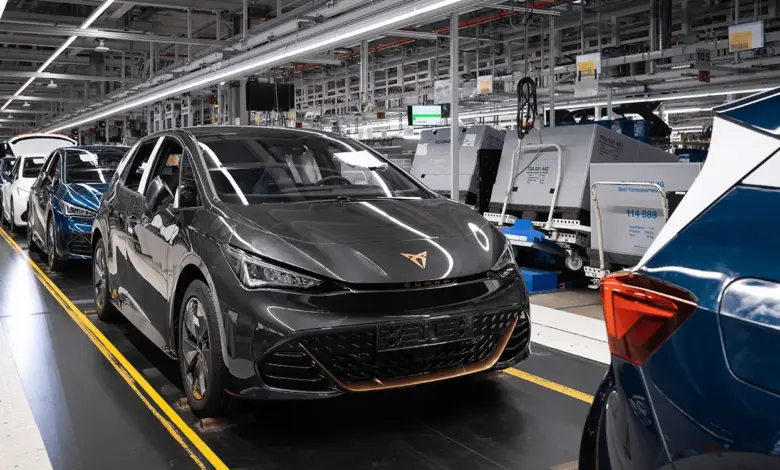
The affected cars are MEB-platform models built at Volkswagen’s Zwickau plant and at the Hanover commercial-vehicle facility for the Buzz variants. The recall applies across Volkswagen-badged models and the Spanish brand Cupra’s Born, with a production cutoff that varies by model and build dates within the February 2022 to August 2024 span. In one small market example, the number of Irish cars impacted is estimated at about one percent of ID models sold to date, under 200 vehicles; Volkswagen has recorded 18, 403 Irish sales of its ID range overall and 1, 578 Cupra Born registrations since launch.
What will Volkswagen do and how are owners being reached?
The remedy combines software and hardware work. A software update will be installed, high-voltage battery packs will be inspected and any individual modules that deviate from specification will be replaced where necessary. Volkswagen will contact customers directly to arrange service-center appointments. Volkswagen Group’s internal references for the actions include codes used in recall processing, and the KBA has assigned formal defect numbers to the cases under its registry.
On the technical supply side, the Group’s approach for these model years involved sourcing battery cells from external suppliers while assembling modules in-house. KBA documents do not outline the precise nature of the deviations, and the authority notes some model-by-model inconsistencies in affected build windows that remain unexplained in the documentation.
“There may be a reduction in electric driving range or the illumination of a yellow warning indicator in the vehicle, ” a Volkswagen Ireland spokesman said. “The extent of any potential reduction in range cannot be stated in general terms, but in individual cases it may be noticeable. In very rare cases, there is also a possibility of thermal overload within a battery module, which in extreme situations could lead to a fire. “
The KBA’s defect descriptions and reference numbers formalize the recall process and instruct that affected vehicles receive the prescribed interventions to mitigate the identified risks.
Operationally, the action requires coordinating software pushes, scheduling inspections for tens of thousands of cars and replacing modules where necessary — work that will put pressure on dealer service capacity and spare-module inventory as owners line up for appointments.
Back at the charging hub, the driver closes the hood after a quick check and makes a mental note to await contact from the service center. The volkswagen ev battery recall has moved from paperwork to people in a matter of days: for owners it is a reminder that electrified transport still depends on long, complex supply chains and hands-on repairs. The software update and battery inspections promised by the manufacturer offer a clear path to reducing disruption, but the coming weeks will show how quickly hundreds of service centers can translate technical fixes into restored confidence on the road.