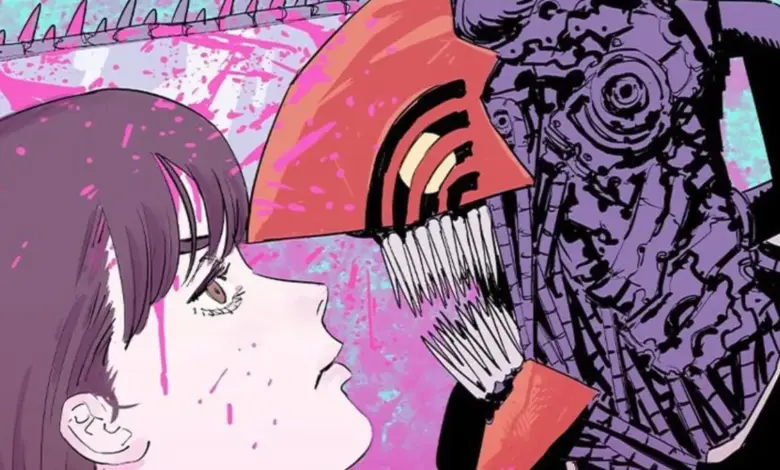
chainsaw man is over, and the moment reads less like a single final chapter and more like a hinge between what the series was and what it promises to become. The manga’s conclusion prompted intense fan activity in the lead-up and left readers parsing character choices, narrative tone, and the series’ approach to the shonen template.
What Happens When Chainsaw Man Ends?
The author, Tatsuki Fujimoto, delivered a finale that followed weeks of fan theory-crafting and high anticipation. The ending arrived after a period that briefly overwhelmed major digital distribution points for the manga. Many readers who discovered the series late said it hooked them quickly; one account described catching up in the run-up to an animated adaptation and finding a work that balanced spectacle with earnestness. The story’s core—about a boy who sacrifices himself and is reborn as Chainsaw Man in pursuit of simple comforts like good food, affectionate company, and the ordinary pleasures often promised to shonen protagonists—remains intact through the ending.
Throughout its run the manga staged confrontations against personified human fears, with adversaries named Guns and Control highlighted as examples of how the series externalized internal dread. The book often read as a deconstruction and celebration of shonen at once: it pulled apart genre expectations even as it delivered the large-scale fights and emotional payoffs familiar to that readership. Fan engagement after the final installment has been intense and fractious, characterized by recurring weekly debates, deep-dive threads, and vocal reactions to character arcs—especially Denji’s non-linear growth.
What If the Series’ Shift in Part Two Defines Its Future?
Part Two began by shifting focus to a new protagonist, Asa Mitaka, whose life is complicated when the War Devil, Yoru, can take over her body with the express aim of defeating Chainsaw Man. That structural pivot reframed the world of the story: Denji’s absence initially allowed readers to see his cultural impact within the fictional world, where characters treated him more like a celebrity and a subject of speculation. Denji’s return a few chapters into Part Two reintroduced the original focal point and reopened debates about the series’ identity—whether its universe could operate beyond him, and what his presence meant for other characters’ autonomy.
The tonal and perspective shifts in Part Two created new dynamics: a heroine forced into an antagonistic role, a melding of personal agency with supernatural coercion, and a narrative that interrogates the costs of being both idol and weapon. These choices fueled polarized responses: some celebrated the formal risks; others questioned character motivations and the way narrative attention was redistributed. The result is a finale that both resolves and reframes questions posed earlier in the series, leaving interpretation and long-term impact to reader communities.
What readers should understand and anticipate
The ending is less an absolute stop than a recalibration. For many, the manga delivered its expected spectacle and emotional beats; for others, Part Two’s experiments with perspective and character control unsettled established expectations. Readers who found themselves swept in late or returned for the finale will likely continue to dissect the work’s themes: sacrifice, the commodification of heroism, and the friction between desire and duty. As conversations shift from immediate reactions to sustained analysis, the author’s creative choices will remain the focal point for interpretation and debate. Ultimately, this chapter closes a major stretch of the story while leaving open what the title will mean to its audience going forward: chainsaw man