The abc strike begins as technicians wheel away cameras and presenters prepare statements: staff will walk off the job at 11am on Wednesday, halting flagship programs and leaving music stations to play without hosts. The 24-hour action is the broadcaster’s first full staff stoppage in two decades, aimed at protesting a pay offer and working conditions.
What is the Abc Strike and when does it start?
The Abc Strike is a 24-hour stoppage by journalists, studio crews and control-room staff that officially begins at 11am on Wednesday. The action is protected industrial action organised by the Media, Entertainment and Arts Alliance (MEAA) for journalists and the Community and Public Sector Union (CPSU) for non-journalist staff. The unions say the draft agreement on the table—a 10% total pay rise spread over three years with 3. 5% in the first year and 3. 25% in each of the following two years—was rejected by staff voting on the proposal.
Which programs and services will be affected by the abc strike?
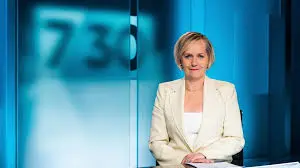
Live television and radio will see major disruption. The broadcaster’s evening current-affairs program 7. 30 will be cancelled on the strike day, and the morning news program is not expected to air the following morning because it requires studio crew and directors who are participating in the industrial action. Radio National Breakfast, AM, The World Today and PM will not air, and music stations including Triple J and the classical channel will play pre-programmed music without presenters. The fate of the 7pm news bulletins and the full news channel schedule remains unclear as managers plan contingency programming.
Why are staff striking, and what are unions and management saying?
Unions and staff point to pay and broader workplace concerns. Over 1, 200 ABC staff are members of the MEAA out of about 4, 500 total employees. Around 75% of staff voted on the offer and the tally fell short of acceptance by 395 votes. Unions argued the offer was too low against recent inflation and did not resolve issues with the staff appraisal process, career progression, night shift penalty rates and reproductive health leave. Michael Slezak of the Media, Entertainment and Arts Alliance said, “We can’t accept a deal that cuts conditions, sends pay backwards against inflation and refuses to rule out replacing ABC journalists with AI bots. ” Jocelyn Gammie of the Community and Public Sector Union warned that “disruptions are ‘inevitable’ unless ABC puts on the table a ‘fair offer’. “
From management, Hugh Marks, the ABC managing director, framed the proposal differently: he described the pay offer as reflecting “the maximum level the ABC can sustainably provide” and called it “both sustainable and financially responsible. ” The broadcaster plans to seek assistance from the Fair Work Commission to help resolve the dispute as negotiations continue.
The MEAA encouraged on-air presenters to make an on-air statement about the planned strike in the lead-up to the stoppage, underscoring the unions’ aim to ensure audiences understand why long-running programs will be disrupted.
As staff prepare to return after the 24-hour action, the strike will leave audiences with pre-programmed music, cancelled broadcasts and unanswered questions about staffing and the role of new technologies in newsroom work. The confronting image of empty studios and silent desks will remain a public test of how management and unions resolve the competing claims over pay, conditions and the future of journalism at the broadcaster.