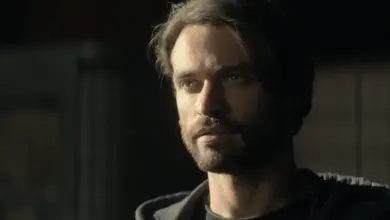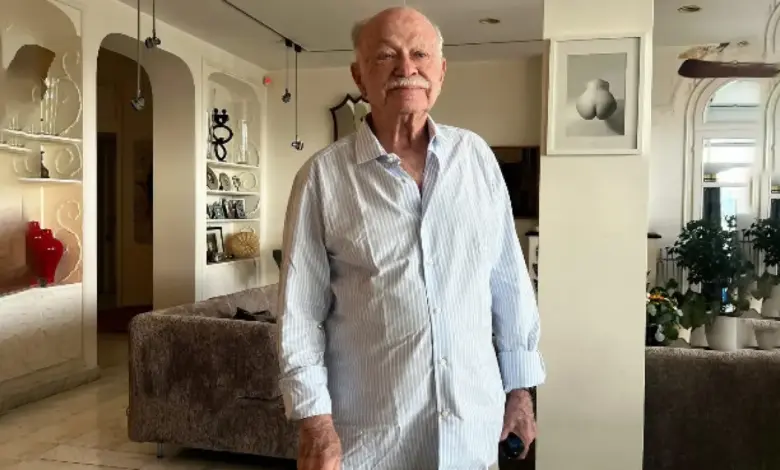
Under a pale Genoa sky, a long table on a terrace still holds the outline of a place set for someone who loved simple food and the sea. In that small ritual — a plate of seared anchovies, a slow-cooked stew, the last slice of a family crostata — gino paoli’s presence lingers, both as a neighbour at the table and as the subject of the public quarrels that marked his later years.
Who was Gino Paoli to La Piedigrotta?
For more than forty years the singer-songwriter found a steady harbor in a restaurant in the Quinto al Mare neighbourhood. Antonio Vaccaro, co-owner of La Piedigrotta, remembers the regular orders: local, unpretentious dishes — stockfish prepared the Ligurian way, anchovies in multiple styles, and stewed cuttlefish with peas. “He ate mainly Genoese dishes, ” Antonio Vaccaro says, describing the menus that tied the artist back to his home. Carmine Vaccaro, the elder brother who runs the restaurant, places the private taste at the center of the portrait. “He loved the torta della nonna: a crostata made with pine nut cream, ” Carmine Vaccaro says, and recalls making the singer’s birthday cake in recent years. When the family could not come, the Vaccaro brothers would send a piece home for him; “the last slice we sent him was just on Thursday, ” Carmine Vaccaro adds, turning a small domestic act into a final, intimate gesture.
What controversies marked his later years?
Publicly, the artist remained a direct and sometimes sharp voice. In an interview the previous summer he revisited a confrontation that had become visible in the press: he said he did not know who Elodie was and, after being shown a photo by his wife, called her “a beautiful woman. ” He framed the criticism as broad and unapologetic, saying his remarks were general in nature and did not include any retraction. He also reflected aloud on other artistic rivalries from his career, noting a sharp exchange with Fabrizio De André after comparing another artist to Bob Dylan. Those exchanges did not end in compromise; he kept his positions and did not retreat from them.
How do the people who knew him remember him now?
At the restaurant, the myth of a gruff temper is quietly disputed. “Many times children approached the table for an autograph. He was not sullen at all; he was very kind in my place, he smiled and joked, ” Carmine Vaccaro says. The domestic details — terrace dinners when weather allowed, no diva demands for a particular seat, and a habitual appetite for the region’s modest seafood — form a human portrait that stands alongside the public image.
Others who worked alongside or beside him in music offered brief remembrances in broadcast remarks, bringing a professional recollection to the private memories told at table. In interviews the artist himself had spoken of a family tragedy that never left him: he said the pain of losing his son remained unresolved and asked with raw honesty where God was when that loss happened. Those admissions, said in public interviews, shaped a picture of a man who could be sharp in debate and deeply marked by private grief.
What is being done now is, for the most part, small and intimate. Family and friends gathered the usual tokens of remembrance: a favorite dessert sent home, memories repeated at his preferred table, voices recounting the dinners that anchored a long life in a single city by the sea. Restaurant staff, who had been custodians of his daily habits, continue to tell the same simple stories — the food he liked, the terrace he preferred, the way he welcomed company without fuss.
Back on the terrace where a plate still bears the faint imprint of a last meal, the crostata of pine-nut cream sits in memory as both comfort and emblem. The everyday gestures — the sending of a slice on a Thursday, the preference for slow-cooked fish, the refusal of airs — give shape to a life lived between melody and table. Those acts, small and concrete, are how those closest to him carry the man forward: through recipes, through recollection, and through the silent place left at the meal for gino paoli.