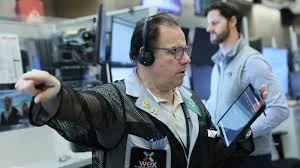
On the trading floor and in inboxes where market alerts land, the single word reverberates: interest rates. Investors who had been betting on two or three rate cuts now face a landscape that looks markedly different, as probabilities for unchanged policy have climbed and the path forward has become clouded by a spike in oil and geopolitical disruption.
How Interest Rates Became Central to the Market’s Repricing
Investors once priced a several-cut scenario into asset prices; today’s math tells another story. The CME Fedwatch tool places a high chance that the fed funds rate will remain at current levels of 3. 5%–3. 75% by the December meeting, a dramatic shift from the odds set earlier in the year. That repricing reflects a new set of constraints for the Federal Reserve and for investors who had built portfolios around lower borrowing costs.
Why the Market’s Rate-Cut Dream Died
The main driver in recent weeks has been a sharp rise in oil after initial strikes and the effective closure of the Strait of Hormuz, which disrupted global supplies. The surge in crude pushed gas prices higher and stoked fears of a broader inflation spike—an outcome that tends to encourage a hawkish stance from central banks rather than the easing markets had expected.
Chicago Fed President Austan Goolsbee signaled the dilemma plainly: he said he can envision a scenario in which the central bank hikes interest rates depending on how the Iran conflict plays out and if “inflation was getting out of control. ” That view undercuts the bull case that relied on falling policy rates to sustain stronger equity valuations.
Analysts at Deutsche Bank offered a further reason investors have trimmed their expectations: a lesson-driven response by central banks. Henry Allen, macro strategist at Deutsche Bank, wrote that central banks may choose a more hawkish approach to avoid repeating past inflation flare-ups. “A key lesson from those past crises is that central banks correct for the perceived errors of the last crisis, ” he wrote, arguing that historical pivots inform today’s rhetoric and likely behavior.
What the Fed and Others Are Doing — Voices and Responses
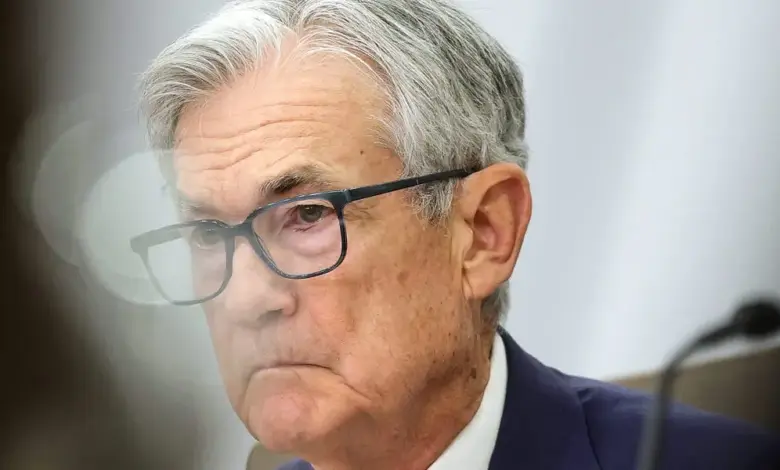
The Federal Open Market Committee has acknowledged the uncertainty. At its meeting last week, Fed Chair Jerome Powell told reporters the committee would be watching for the impacts of the Iran war on inflation data and warned, “If we don’t see that progress, on inflation, you won’t see a rate cut. ” Leadership in Washington added a geopolitical counterpoint: President Donald Trump said the US and Iran had “productive” talks, a development that could shift interest-rate expectations if it leads to de-escalation.
Market reaction has already reflected a recalibration. Where investors had once given heavy odds to multiple cuts, the probability of unchanged policy rose sharply from earlier in the year. Deutsche Bank analysts pointed to historical episodes — including responses after prior energy shocks and the differential policy reactions across crises — as influencing both central-bank behavior and investor sentiment.
For households and businesses, the immediate human realities are straightforward: higher fuel costs strain budgets and increase input costs for firms, tightening the space for lower interest costs to stimulate demand. For portfolio managers and savers, the loss of expected cuts forces a reassessment of risk and return.
As officials watch inflation data and geopolitical developments, one clear line holds: interest rates will remain a pivot around which markets and everyday economic decisions turn. The Fed’s emphasis on data and the possibility that central banks err on the side of caution have replaced the earlier optimism of easy money.
Back on the floor and in inboxes, the scene is the same yet newly charged. Alerts that once promised relief now carry a warning: the road to cheaper borrowing may be longer and rockier than many expected. Whether productive diplomacy can reopen pathways to lower inflation — and with it renewed hopes for rate cuts — remains the critical question that markets and policymakers alike will watch closely.