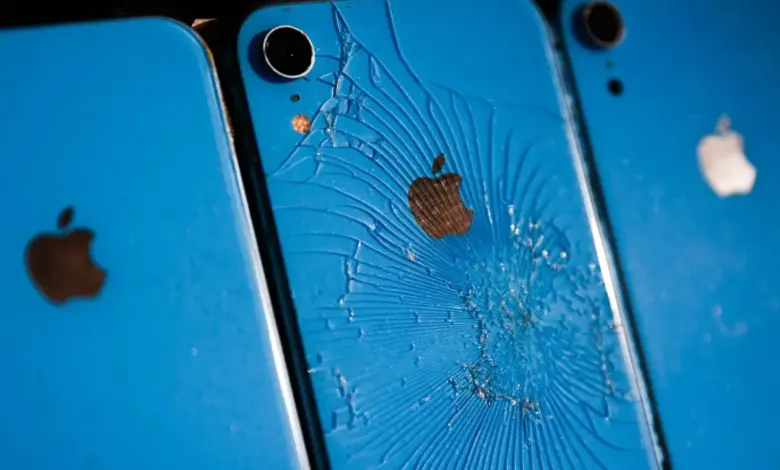
An apple virus warning has taken on grim immediacy after a security hobbyist who goes by the handle matteyeux demonstrated that a circulating DarkSword sample could hack an iPad mini running iOS 18. The demonstration underlines a broader alarm: a newer version of the DarkSword toolkit was published on a public code-sharing site, and experts say the files are trivial to reuse.
Apple Virus Warning: What the leaked DarkSword does?
DarkSword is a toolkit built from a chain of software vulnerabilities that can break into certain iPhones and iPads without user interaction. The leaked files are plain HTML and JavaScript and include comments that describe how the exploits operate. One comment in the code describes a payload that “reads and exfiltrates forensically-relevant files from iOS devices HTTP, ” directing stolen data to an attacker-controlled server. The toolkit can gather signed-in accounts, Wi‑Fi passwords, messaging data, cryptocurrency wallet credentials, email, screenshots and calendars, then remove traces by deleting itself after sending data.
Who is at risk and how can devices be protected?
Researchers warn the toolkit primarily affects devices that have not been updated to the latest Apple software. Apple’s developer site shows a substantial share of active devices remain on iOS 18 or earlier, leaving millions potentially vulnerable. DarkSword has been observed targeting specific versions of the operating system, and some samples work “out of the box, ” meaning little or no iOS expertise is required to deploy them.
Matthias Frielingsdorf, co-founder of mobile security startup iVerify, said, “This is bad. They are way too easy to repurpose. I don’t think that can be contained anymore. So we need to expect criminals and others to start deploying this. ” Frielingsdorf noted that the files share infrastructure with earlier variants and that anyone can copy, host and run the code in a short time frame.
Apple spokesperson Sarah O’Rourke said the company was aware of the exploit targeting devices running older and out-of-date operating systems and issued an emergency update on March 11 for devices unable to run recent versions of iOS. O’Rourke added, “Keeping your software up to date is the single most important thing you can do to maintain the security of your Apple products, ” and noted that devices with updated software were not at risk from these reported attacks; Lockdown Mode would also block these specific attacks. Kimberly Samra, a spokesperson for Google, said the company’s researchers agree with Frielingsdorf’s assessment.
What are companies and experts doing in response?
Security teams have analyzed live activity tied to DarkSword and tracked its use against a range of targets. The leaked code includes implementation notes and references to post-exploitation activity, which experts say lowers the barrier to misuse. A spokesperson for Microsoft, the owner of the code-sharing platform where the new sample was posted, did not immediately respond to requests for comment about the public posting.
Vulnerability remediation has already arrived in recent Apple updates: Google’s Threat Intelligence Group has said that the vulnerabilities exploited by DarkSword were patched with a recent iOS release, and Apple issued a targeted emergency update for devices that cannot run the newest software. For devices that cannot run the latest releases, experts point to Lockdown Mode as an additional mitigation that blocks the specific techniques used by DarkSword.
The demonstration that hacked an iPad mini running iOS 18 — and the presence of copy‑ready HTML and JavaScript samples in the wild — closes the circle of concern: the risk is technical, immediate and human. For users and administrators, the practical steps are stark and familiar: update devices when an update is available, consider Lockdown Mode for at‑risk individuals and treat any public exploit kit posting as an urgent security incident. The apple virus warning issued by researchers is a reminder that easy-to-use attack code in public hands can put everyday devices—and everyday people—at sudden risk.