In a Washington briefing room that still smelled of overnight coffee and urgency, aides circulated terse notes while President Donald Trump announced he had ordered the U. S. military to postpone strikes on Iranian power plants for five days — a pause that lands amid escalating tensions that many are calling part of an unfolding iranian war.
What happened and why does it matter?
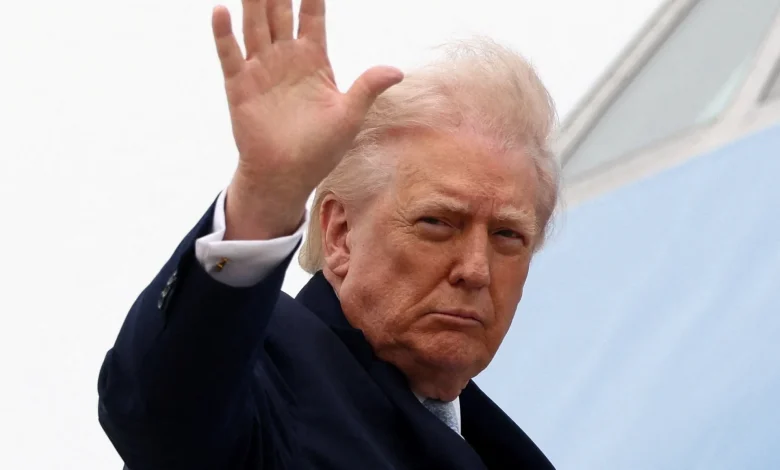
Trump said he had instructed the “Department of War to postpone any and all military strikes against Iranian power plants and energy infrastructure for a five day period, subject to the success of the ongoing meetings and discussions. ” The order followed what he described as “very good and productive conversations” with Tehran over a possible resolution of hostilities. The president had earlier given Tehran 48 hours to reopen the Strait of Hormuz or face military action, warning that the United States would “obliterate” Iran’s power plants if the strait remained closed.
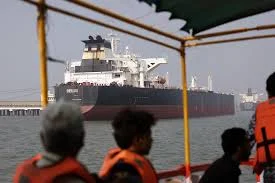
The immediate consequences are concrete and human. A de facto blockade of the Strait of Hormuz has pushed global oil prices higher and created shortages of cooking gas in several Asian countries. Fatih Birol, head of the International Energy Agency, warned the situation is “very severe” and described it as worse than the two energy crises of the 1970s put together, a stark institutional assessment of cascading impacts on households and economies.
How are regional actors and institutions responding to the Iranian War?
Responses have threaded threats and deterrence. The Islamic Revolutionary Guard Corps cautioned that if Washington carried out its threat, Iran would target power plants in all regions that supply electricity to U. S. bases, “as well as the economic, industrial and energy infrastructures in which Americans have shares. ” Iran’s Defence Council added that any attack on the country’s southern coast or islands would prompt the laying of sea mines that could sever Gulf shipping routes.
On the diplomatic front, voices emphasized caution. Han Shen Lin, director of the China Office at the Asia Consultative Group, said China is likely to remain neutral as conversations and meetings continue at multiple levels. In London, United Kingdom Prime Minister Keir Starmer said routine assessments conclude that the UK is not a target of Iran amid global tensions — a move meant to reassure domestic audiences even as regional shipping lanes and energy supplies remain fragile.
Who is speaking for the people affected, and what are practical steps being taken?
The rhetoric from leaders sits beside immediate effects felt by ordinary people: higher fuel bills, disruptions to shipping-dependent supply chains, and fears among communities near ports and bases. President Trump framed the postponement as contingent on the success of ongoing discussions, while Tehran has warned it could retaliate against energy infrastructure in Israel and Gulf countries if pressured.
Institutional actors have escalated monitoring and warnings. The International Energy Agency has issued a severe alert on market stability, and national governments are conducting routine threat assessments and consular planning. Military planners remain on heightened readiness while diplomats pursue talks meant to defuse further escalation during the five-day window the president ordered.
The pause is deliberate but fragile: it creates a short space for diplomacy while leaving clear messages on both sides about capabilities and intended targets.
Back in the briefing room where the day began, staffers folded up maps and rechecked flight plans as negotiators prepared to continue talks. The five-day postponement offers a rare breathing space in the midst of the iranian war, but it also concentrates pressure into a narrow timeline — a pause that could lead to de-escalation or sharpen the next wave of decisions that will affect millions of lives dependent on stable energy and secure shipping routes.