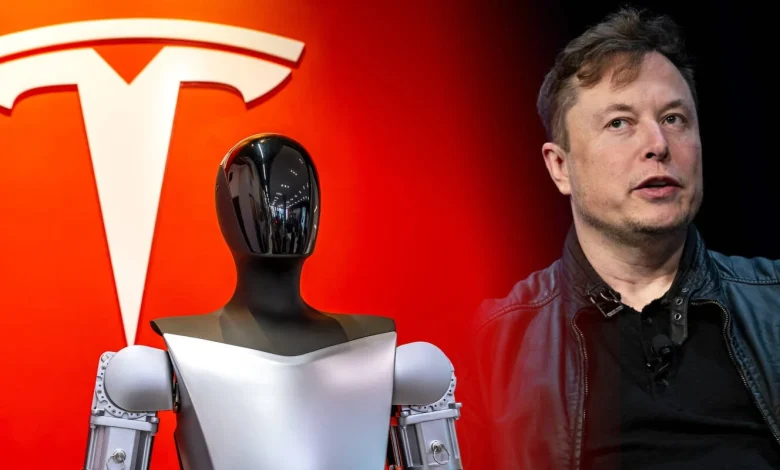
The proposal from elon musk reframes semiconductor scale as a space program: Terafab, a combined Tesla, SpaceX and xAI project centered on an Advanced Technology Fab in Austin, Texas, aims to produce 1 terawatt of compute per year — fifty times the roughly 20 gigawatts global chipmakers currently yield. The pitch pairs a $20 billion-plus factory plan with orbital compute, new chip families and a rocket cadence that would dwarf all existing launch programs.
Elon Musk’s Terafab: scale, chips and rockets
Elon Musk presented Terafab as an end-to-end facility that will design, lithograph, fabricate, package and test chips under one roof. The plan calls for two distinct chips: an inference chip for Earth-based uses, notably humanoid robots that Musk projects could be built in volumes between one billion and ten billion units annually; and a space-hardened chip to run in satellites that begin at roughly 100 kilowatts of compute per spacecraft and scale toward megawatt-class platforms.
The vision links fabs and launchers. Musk described a larger Starship capable of carrying 200 tons each flight and sketched a supply-chain geometry where placing a terawatt of compute in orbit would require launching roughly 10 million tons annually. That arithmetic, as presented, translates into an implied launch rate on the order of tens of thousands of heavy-lift launches per year — figures given during the presentation included an estimate of 50, 000 Starships annually, or about 135 launches a day, equivalent to roughly one giant rocket every ten minutes.
Background and technical bottlenecks
Terafab’s stated ambition is to reach 2-nanometer process technology and to produce several billion high-end AI chips per year, with small production batches starting this year and volume ramping in 2027. Musk said his teams developed a recursive production process allowing rapid chip iteration and frequent redesigns, and he referenced “some very interesting new physics” that he is “confident will work. It’s just a question of when. ” He framed the project as a response to limitations he sees in existing capacity: he said the world’s chipmakers produce about 20 gigawatts of compute annually and that he will buy whatever additional capacity suppliers such as Nvidia, Samsung and Micron produce.
But the context Musk acknowledged raises immediate supply and engineering challenges. Semiconductor fabs demand specialized materials and continuous inputs; the presentation noted a 30 percent drop in helium production tied to conflict-related disruptions as a current example of supply fragility for semiconductor manufacturing. Building advanced cleanrooms, mastering lithography and assembling an experienced manufacturing workforce are all implicit hurdles in a project pitched at unprecedented scale.
Expert perspectives and global ripple effects
Elon Musk argued the project is justified by a grand strategic goal: putting humanity among the stars and creating computational resources that can be launched to harness space-based energy. He said, “We are going to push the limits of physics in compute and do some wild and crazy things, ” and urged attention to the project’s scale rather than terrestrial quarrels.
The proposed cost — described as upward of US$20 billion — and the claim that chip design, lithography masks, memory production and packaging will all occur in one facility mark Terafab as both industrial consolidation and a moonshot. Musk tied terrestrial robotics demand to orbital compute needs, arguing that billions of robots and expanding satellite data centers together justify factory throughput orders of magnitude larger than today’s leading foundries.
Regionally and globally, the plan would alter supply chains: if realized, Terafab would compete with major manufacturers and seek to internalize memory and advanced node work that typically crosses multiple suppliers. The orbital element — shipping compute into space at scale — would create new intersections between aerospace launch logistics and semiconductor economics, and it raises resource questions Musk did not resolve in detail, including how raw materials and energy infrastructure for a multiplanet compute economy would be secured.
In public remarks Musk emphasized precedent: Tesla and SpaceX overcame skeptics on electric cars and reusable rockets, and he framed Terafab as the next such leap. He also projected ambitions for robot volumes that imply dramatic shifts in manufacturing and labor if achieved.
Elon Musk closed his presentation by connecting the project to long-term human destiny, invoking science-fiction visions of a populous, spacefaring future. The technical and supply-chain gaps he acknowledged — from helium shortages to the difficulty of building state-of-the-art fabs — remain significant unanswered problems. Will Terafab’s integrated factory model and an audacious launch cadence be sufficient to move a terawatt of compute off Earth, or will material limits and manufacturing lead times force a more modest outcome?
As the plan advances, the question persists: can a single vertically integrated industrial bet, centered in Austin and tied to orbital ambitions, truly rewrite the scale economics of compute and space alike?