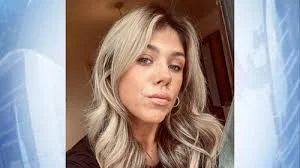
Under studio lights, Barbara Fried and Joseph Bankman sat for a sit-down interview that included an appeal to President Trump — a moment captured on news — as elsewhere the FTX Recovery Trust prepared to move billions toward creditors. The juxtaposition of a family’s plea and a financial unwind mapped two faces of a single collapse.
News Interview: Parents Ask for a Second Look
Barbara Fried and Joseph Bankman, both identified as Stanford professors, used a televised interview with host Michael Smerconish to press for their son Sam Bankman-Fried. The parents maintained his innocence while noting legal steps already under way: their son has requested a new trial and a new judge, and an appeal remains pending. Fried said, “I think that Sam was the victim of an out of control prosecution. ” Joseph Bankman said, “I got to do wonderful charity work with Sam. I didn’t get involved in the business operations. “
Michael Smerconish observed that Judge Lewis Kaplan, who presided over the criminal case, is a judge whose name has surfaced in other high-profile proceedings — a connection the family highlighted as part of their appeal strategy. Fried framed the prosecution as political, asserting that the administration of President Joe Biden had worked to hamper the industry involved.
What the FTX Fourth Distribution Means for Creditors
At the same time, the FTX Recovery Trust announced a Fourth Distribution scheduled for March 31, 2026, moving toward execution of the Chapter 11 Plan of Reorganization. The announcement set expectations that holders of allowed claims in the Plan’s Convenience and Non-Convenience Classes who have completed pre-distribution requirements will receive funds through a Distribution Service Provider within one to three business days from the distribution date. The named Distribution Service Providers are Bitgo, Kraken and Payoneer.
The plan also sets an April 30, 2026 record date for a May 29, 2026 payment to holders of preferred equity interests, with payments to flow from a trust called the Preferred Shareholder Remission Fund Trust (PSRT). Outreach to preferred equity holders began in January 2026, and only those who are registered as holders of record and who have completed verification steps by the record date will be eligible for the initial preferred payment.
The trust notification emphasized a significant procedural point for customers: onboarding with a Distribution Service Provider is an irrevocable election to receive payments through that provider rather than as direct cash distributions from FTX. The trust also cautioned recipients to remain vigilant against phishing emails that imitate trust communications.
How These Threads Intersect and What Comes Next
These two strands — the human plea of parents seeking clemency and judicial review, and a formal process to return assets to creditors — are both part of the same unfolded chapter. The Recovery Trust’s schedule of distributions and the procedural steps for preferred equity holders mark concrete movement in the bankruptcy process. At the same time, the family’s public appeal and the legal requests already filed reflect ongoing contestation over accountability and future relief for the person at the center of the collapse.
What is being done is procedural and public: the FTX Recovery Trust has set dates, named service providers, and specified eligibility steps for payments; the family has pursued legal remedies and made a public appeal through an interview platform, with the host noting judicial overlaps relevant to their argument. Both tracks will influence perceptions and the practical distribution of funds and rights in the months ahead.
Back under the same studio lights where the parents spoke, their words hung between hope and unresolved legal process. As creditors watch bank-account notifications that may arrive within days of the announced distribution, and as a family awaits the next turn in the courts, the scene holds a simple question: can procedural payments and public pleas together bring a measure of closure? The answer will unfold on record dates, in court filings, and in the quiet moments between announcements and appeals — a human afterword to the largest financial unraveling at the center of these two stories, visible in both headlines and lives.
Image alt text: “Barbara Fried and Joseph Bankman in a televised interview with the phrase news appearing in coverage”