The conflict in Iran and rising interest rates have pushed fuel costs so high that buying an electric vehicle is now being weighed as an economic decision, not just an environmental one. Petrol in parts of Tasmania sits above $2. 20 a litre and analysts point to $2. 50 as a realistic near-term ceiling if instability persists. The combination of global supply disruption and higher borrowing costs is squeezing household budgets across Australia.
Electric Vehicle savings: Launceston to Hobart
On the roughly 200-kilometre drive between Launceston and Hobart, the math is stark: a petrol SUV can require upwards of $50 in fuel, while an equivalent electric vehicle charged at home can complete the trip for closer to $15, often less when owners use off-peak pricing with local providers. That domestic charging advantage, amplified by volatile global oil markets and disruptions in tanker traffic through the Strait of Hormuz, is reframing the cost case for switching to battery power.
Immediate reactions
Craig Thomson, editor, said: “The current crisis has stripped away the illusion of choice. If petrol prices remain elevated, the question facing Tasmanians is whether continuing to rely on petrol makes economic sense at all. ” Analysts flagged in recent coverage that attacks on energy infrastructure and reduced tanker traffic have choked supply and pushed Brent crude past US$100 a barrel, feeding into pump prices. At the same time, the Reserve Bank has been raising interest rates, compounding pressure on mortgage holders and everyday budgets.
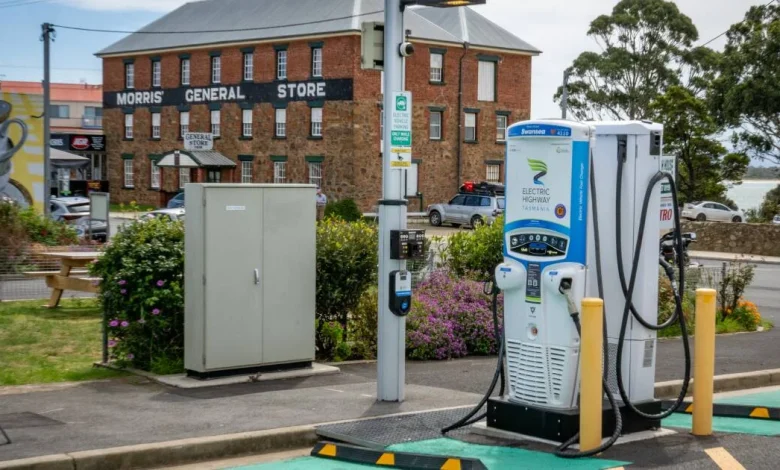
Consumer behaviour signals have already shifted. Search interest in cheap electric cars rose dramatically in the past month, with hundreds-fold increases in queries for lower-priced models. Demand for information on charging infrastructure also jumped over the past week, and public fast-charging costs at a standard 75kW station were cited in available data at roughly $35 to $50 per session — an expense described as roughly half the cost of a full tank of 91 Unleaded.
Quick context
Since the Iran war started on February 28 (ET), global crude prices and shipping disruptions have accentuated local fuel pain, especially in import-reliant regions. At the same time, a rise in interest rates has tightened household finances, making running-cost savings more salient.
What’s next
Expect consumers to keep weighing upfront purchase costs against running savings and new model availability. Several lower-priced electric cars were highlighted in recent market tracking, with some models listed in the entry-level price bands and others occupying mid and upper segments — a pattern that could accelerate market uptake if pump prices remain elevated. Analysts warn that if instability in shipping lanes continues, petrol could test the cited $2. 50 mark, which would further sharpen the economic argument for an electric vehicle. Policymakers, retailers and drivers will be watching fuel and rate moves closely as households test whether switching to an electric vehicle delivers lasting budget relief.