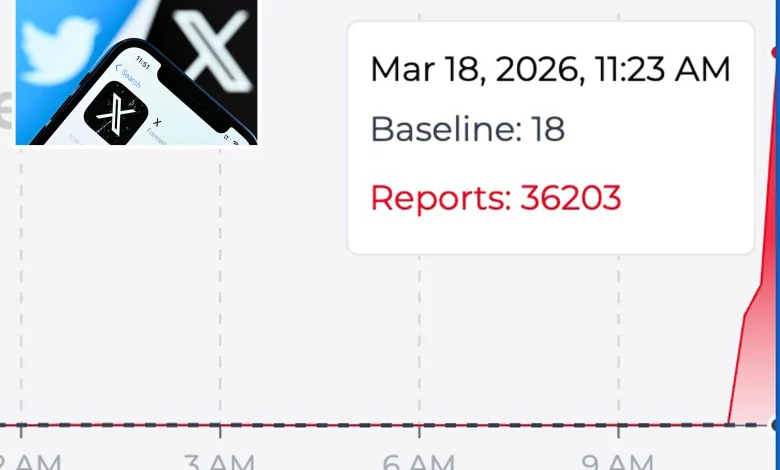
x twitter was inaccessible for thousands of users in the U. S. during a sudden morning disruption, with outage tracking services logging a rapid escalation of problem reports before service levels fell back within minutes. The sequence and the numbers raise questions about cause, scale and the adequacy of public communication.
Is X Twitter down — what do outage reports show?
Verified facts: an outage-tracking service recorded the first reports beginning around 10: 43 a. m. ET. That service logged more than 14, 000 reports of problems as of 11: 05 a. m. ET, and later recorded more than 26, 000 reports as of 11: 28 a. m. ET. At the peak of the disruption, the count exceeded 34, 500 reports before declining to 845 reports as of 11: 39 a. m. ET. Issues documented by users included problems loading posts, feeds and notifications across mobile and web interfaces. The platform did not provide an immediate public comment during the disruption.
Analysis: the pattern shows a fast onset, a substantial peak in user reports, and a swift decay in complaints within roughly an hour. That profile is consistent with either a short-lived platform-wide fault or a cascading regional issue that briefly affected a large share of active users. The rapid fall in report counts — from tens of thousands down to under a thousand in minutes — suggests an intervention that restored service for most affected users quickly.
Who was affected and what services failed?
Verified facts: user submissions to outage-tracking tools described failures to load content and receive notifications on both the mobile application and the website. The numerical counts reflect reports submitted by users rather than a full-system telemetry readout, so the absolute number of affected accounts may differ from the logged totals.
Analysis: the breadth of user complaints across mobile and web implies the disruption touched multiple access layers rather than a single client app release. Because the logged figures are user-submitted, peak numbers signal the intensity of user impact but not the precise technical scope; the underlying failure could be limited to particular services that cascade into visible feed and notification errors for many users at once.
What remains unclear — and what should the public demand?
Verified facts: timestamps and user-report counts establish when the disruption intensified and when reports subsided. The event included a brief restoration to regular service within minutes of the peak, and there was no immediate public statement from the platform during the window of disruption.
Analysis: key questions remain unanswered by the available records. The outage-tracking totals document user experience but do not reveal root cause, affected infrastructure, geographic concentration beyond the U. S. note, or the remedial steps applied. For public trust and operational clarity, platform operators should release an incident summary that includes verified telemetry, a causal explanation, the scope of accounts or services affected, and measures to prevent recurrence.
Accountability recommendation (verified analysis): regulators, institutional partners and users should expect a post-incident report that moves beyond user-submitted counts to provide system logs and timelines from the platform’s operational teams. Transparency about internal detections and mitigation would convert the user-facing numbers into actionable understanding of resilience and risk.
Final note: the outage-tracking totals demonstrate the tangible impact on users’ daily access to the service, and the rapid swing from tens of thousands of reports to normalcy underscores both platform dependence and the need for clearer operational disclosure. For now, public records of the event are limited to user-submitted outage logs and the platform’s silence; the public deserves a detailed post-event explanation of what caused the x twitter disruption and what steps will prevent the next one.