Introduction
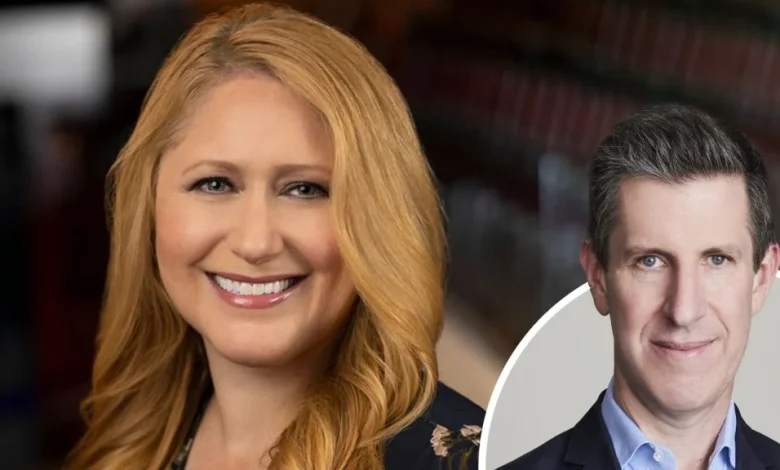
The incoming Walt Disney Company leadership shuffle places disney’s streaming, film, television and games businesses under one creative umbrella, a reconfiguration announced by Dana Walden as she prepares to take the new enterprise role. The move names Debra OConnell chairman of Disney Entertainment Television and hands Craig Erwich expanded creative oversight, while co-presidents Joe Earley and Adam Smith assume direct-to-consumer stewardship.
Disney: Background & Context
Dana Walden, who will become president and chief creative officer of The Walt Disney Company, unveiled a senior leadership team that consolidates several previously separate units. Alan Bergman will continue as chairman of Disney Entertainment, Studios, retaining oversight of the film studios and shared oversight of direct-to-consumer efforts alongside Walden. Joe Earley and Adam Smith were named co-presidents of Direct to Consumer and will share responsibility for strategy and financial performance across Disney+ and Hulu, reporting to Walden and Bergman. The games and digital entertainment organization led by Sean Shoptaw will move into Walden’s entertainment segment, aligning games work with the company’s broader creative engines.
Deep Analysis: What the Leadership Changes Mean
At its core this is a structural bet that a unified leadership axis can better coordinate creative and commercial choices across platforms. For disney, placing film, streaming, television and games under a single creative chief signals a shift from siloed operations to an integrated storytelling approach. The practical effects are already visible: Debra OConnell’s new role aggregates ABC Entertainment, Disney Branded Television, Hulu Originals, National Geographic Content and creative responsibility for 20th Television and 20th Television Animation alongside her existing oversight of ABC News and ABC Owned Television Stations.
Craig Erwich’s added oversight of 20th Television and 20th Television Animation consolidates creative control for adult programming under a single television leader, while Joe Earley’s dual role as co-president of Direct to Consumer and head of content strategy links creative planning to platform strategy. Adam Smith remains chief product and technology officer for Disney Entertainment and for, maintaining technical continuity across the streaming ecosystem. By folding Sean Shoptaw’s games and digital entertainment group into the new segment, leadership is signaling games as an integral part of franchise and IP deployment rather than a peripheral business.
Expert Perspectives and Leadership Signals
Direct testimony from the new executive leadership frames the rationale. Dana Walden, incoming president and chief creative officer of The Walt Disney Company, said, “The strength of Disney has always been the emotional connection between our stories and the people who love them. ” Her statement frames the consolidation as an effort to build a more connected audience experience across formats.
Debra OConnell, named chairman of Disney Entertainment Television, emphasized partnership and continuity in an internal message introducing her team: “I want to thank Dana Walden for her extraordinary leadership and for the confidence she has placed in me to serve as chairman of Disney Entertainment Television. ” OConnell’s memo laid out reporting relationships that place Craig Erwich, Ayo Davis and Courteney Monroe among her direct reports and reassigns several advertising and distribution executives to report on television matters as part of the new structure.
Other named leaders and titles reflect the breadth of the consolidation: Alan Bergman remains chairman of Disney Entertainment, Studios; John Landgraf will continue to report directly to Walden as chairman of FX; and Joe Earley and Adam Smith will jointly run Direct to Consumer. The movement of Sean Shoptaw’s group into Walden’s remit highlights the strategic elevation of interactive and game-based storytelling, including collaborations already in place with Epic Games.
These appointments preserve film studio continuity while creating distinct operational clusters for TV, streaming and games, suggesting an intent to marry creative oversight with platform strategy more tightly than before.
Regional and Global Impact
Consolidation under Walden’s creative leadership centralizes decision-making that will shape content slates feeding global platforms and linear networks. For disney, the integration means a single senior team will now calibrate cross-border rollouts, platform prioritization and franchise extensions into gaming collaborations. That centralization could streamline global content coordination across theatrical distribution, subscription services and digital games, though how those operational efficiencies translate into programming and market performance remains to be observed under the new reporting lines.
Key regional implications include unified content strategies for Hulu Originals and National Geographic programming, the creative realignment of 20th Television’s output under Erwich, and the potential for more coordinated ad and distribution strategies through restructured reporting relationships for advertising and platform distribution executives.
Conclusion
The move to fold film, streaming, television and games under one leadership axis is a decisive organizational recalibration that consolidates creative authority and reassigns responsibilities across several senior executives. For disney, it raises a central question: will a single creative-led structure accelerate cohesive franchise building across screens and platforms, or will the concentration of oversight create new operational tensions as these varied businesses are asked to move in lockstep?