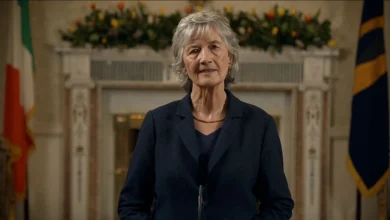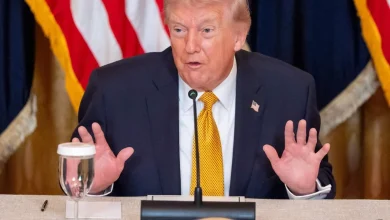
On the White House lawn, with a small bowl of shamrock in his hands, the taoiseach will step into a ritual that has long blended ceremony and statecraft. Micheál Martin will gift Donald Trump the traditional emblem of St. Patrick’s Day as part of a careful outreach meant to shield Ireland’s economic model built on US investment.
Taoiseach’s gesture and the soft-power moment
The meeting is a familiar diplomatic scene — leaders exchanging gifts and pleasantries on a national holiday — yet this year it carries a sharper strategic purpose. Ireland rakes in billions of euros in tax revenue every year from US multinationals such as Apple Inc., Eli Lilly & Co. and Microsoft Corp. That revenue helps the government post unusually large surpluses; the state ran a surplus of more than €7 billion last year while many peers across Europe struggle with deficits.
In that context, the shamrock is more than a token. The occasion is a soft-power opportunity that the government is using to convey the benefits of a deep economic relationship with the United States. The interaction is also considered fraught: Donald Trump has accused European countries of taking advantage of the US, and Ireland has at times been singled out. That tension shapes how the gesture will be presented and received.
How ministers are selling Ireland: sales pitches, cities and messages
Irish ministers have taken the message on the road, visiting cities including New York, Atlanta and Miami as part of a wider sales pitch under the theme of “strong partnerships. ” The outreach aims to underscore that the commercial ties are mutually beneficial, and to reassure US partners about Ireland’s approach to investment and taxation.
Irish Deputy Prime Minister Simon Harris articulated that posture directly: he said Irish‑US ties are “two way” and benefit both nations. That line supplies the explicit selling point ministers are repeating in meetings and briefings as they try to cement relationships and blunt criticism.
At the same time, the taoiseach’s team must steer clear of flashpoints that could derail the visit. Ministers are keen to avoid controversy on issues such as tariffs and the war in Iran while placing the economic argument at the center of conversations with US officials and business leaders.
What’s at stake: revenues, relationships and a fragile surplus
The stakes are concrete. Revenues from US firms are large enough that they allow the government to run a significant budget surplus; that fiscal position is tied to the presence of multinational investment. Any shift in US policy or in the commercial calculus of major firms could have outsized effects on public finances and on communities that depend on those investments.
That reality helps explain the choreography of the visit: a traditional gesture, a calibrated message, and an array of ministerial visits meant to reinforce economic ties. The approach blends symbolism with a practical sales effort that stresses reciprocity and shared interest.
Simon Harris’s comment that ties are “two way” captures the dual aim: preserve the financial flows that bolster the budget while reminding US partners of the benefits Ireland offers in return.
Back on the White House grounds, the bowl of shamrock will be both a cultural token and a diplomatic cue. For the taoiseach, the moment is meant to reduce risk, reinforce partnerships, and translate ceremony into economic reassurance for a country that relies heavily on US investment. Whether the gesture will be enough to ease political tensions or to secure long-term confidence remains the central question as ministers press their case in American cities and at the presidential meeting.