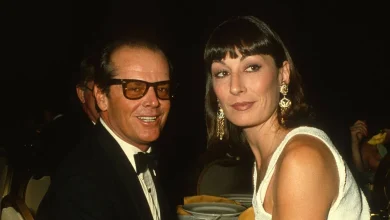
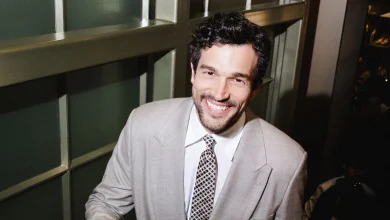
Paul Thomas Anderson: “We continue to move forward” — One Battle After Another at the center of the 2026 Oscars fight


paul thomas anderson is staking his film One Battle After Another on human connection and fatherhood as the 2026 Oscars approach. The director frames the movie as less about polemics than people, and the film’s politics and casting have made it a lightning rod in awards conversation. The debate now hinges on whether its mix of satire, violence and intimate moments will carry it to Best Picture.
Paul Thomas Anderson on family, politics and casting
Paul Thomas Anderson, film director, has described his priorities plainly: “The highest priority for me is the people and how they’re engaging with each other, why they love each other, why they hate each other, the ridiculousness of their human nature. ” He told interviewers that politics can become boring for him and that his work aims to avoid getting “preoccupied with too much stuff that is too complicated. ” On One Battle After Another he said, “I put everything of what I felt as a father into this story. “
Anderson also made casting choices central to that aim: he called Leonardo DiCaprio perfect to lead the film, saying DiCaprio “portrays confusion better than anybody” and can be “very moving” in quiet moments. Those comments map to the film’s focus on a father figure trying to reconnect with his daughter at the center of a politically fraught story.
How One Battle After Another is built and why it troubles viewers
One Battle After Another is presented as a free update of a 1990 novel, transplanted into what the creative coverage calls the ICE-age 2020s. The film moves from migrant detention camp to sanctuary city and exposes a Christian Nationalist cell within the federal government, with a faction calling itself the “Christmas Adventurers. ” Jonny Greenwood composed the score, and the movie has been classified by awards bodies in the comedy category even as major scenes read as deadly serious.
Leonardo DiCaprio plays Bob, a onetime firebrand turned burnt-out stoner who must act when his daughter Willa (Chase Infiniti) is taken. Sean Penn appears as Colonel Lockjaw, depicted as a bombastic adversary. The cast and narrative deliberately straddle tonal extremes — slapstick and menace, satire and real-world echoes — which has produced sharp praise and sharp pushback from critics and voters alike.
Immediate reactions from the director and the awards conversation
Paul Thomas Anderson, film director, has been explicit about the film’s emotional core: “All you want to do is give them independence, but at the same time, you do not want them walking out the door. ” Those words have been used by supporters to underline the film’s domestic, human stakes amid its political spectacle. At the same time, some commentators have criticized the film’s approach as too on the nose or morally ambiguous when revolutionary violence and official brutality blur together in the story.
Quick context: the film adapts themes from a 1990 novel and relocates them into contemporary U. S. flashpoints. Its blend of political satire and intimate family drama has already placed it at the heart of awards season argument as the 2026 Oscars near.
What’s next: expect the conversation to intensify as final voting and campaigning continue toward the 2026 Oscars. Voters will weigh whether One Battle After Another’s tonal risks and its focus on parent-child ties — elements Paul Thomas Anderson has said he built from his own experiences — are reasons to reward the film or to prefer contenders seen as clearer in moral framing. The debate over that choice will shape the next headlines in the awards race.