The israel iran war has entered a new phase as Israel launched “wide-scale” strikes on targets in western Iran while President Donald Trump said he is not ready to make a deal to end the conflict because the terms are not good enough. The clash of battlefield action and presidential restraint raises a central question: what is not being told about operational claims and diplomatic openings?
What are the verifiable battlefield claims and who provided them?
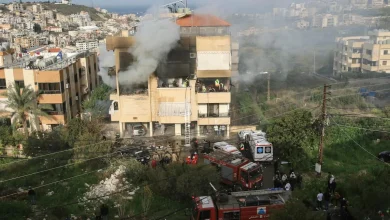
Verified facts: The Israel Defence Forces (IDF) issued public warnings and reported detecting missiles fired from Iran, describing repeated waves of strikes and encouraging people in affected areas to shelter. Israel’s emergency services stated there were no reported casualties following the latest rounds of attacks and said search and rescue teams continued work in areas where strikes were reported. U. S. Central Command (Centcom) publicly challenged claims by the Islamic Revolutionary Guard Corps (IRGC) about disabling the aircraft carrier USS Abraham Lincoln, asserting that the Abraham Lincoln carrier strike group continues to maintain operational dominance. United Arab Emirates authorities have communicated that they intercepted missiles and drones launched from Iran and engaged large numbers of projectiles during the course of the conflict.
Analysis: The pattern of institutional claims — military warnings, emergency-service casualty tallies, and public denials of enemy claims — creates a raw operational narrative but leaves gaps. Military institutions are reporting kinetic events and defensive actions; these statements establish activity but do not resolve discrepancies over damage assessments, long-term operational effects, or proportionality of strikes. Each named agency provides a partial picture that must be reconciled with independent on-the-ground verification.
How does the Israel Iran War reshape diplomatic and strategic postures?
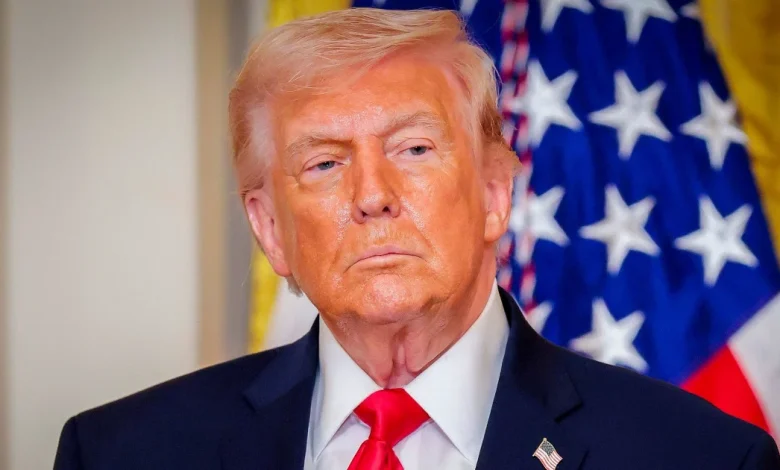
Verified facts: President Donald Trump, President of the United States, stated that Iran wants to make a deal to end the war but he is not prepared to make an agreement because the terms are not satisfactory; he also said any acceptable agreement would need to include a commitment by Tehran to abandon nuclear ambitions. President Trump characterized recent U. S. strikes on Kharg Island as having heavily damaged the facility and said additional strikes were possible. Iranian Foreign Minister Abbas Araghchi, Foreign Minister of Iran, was quoted as open to regional initiatives that could lead to a fair end to the war but noted that no specific proposal had been presented. UK Energy Secretary Ed Miliband stated that reopening the Strait of Hormuz is being actively explored by impacted governments.
Analysis: The juxtaposition of a stated Iranian willingness to negotiate and the U. S. president’s refusal to accept current terms produces a policy stalemate that sustains kinetic operations. Public presidential comments that emphasize additional strikes and demand stringent concessions tie military pressure directly to diplomatic leverage. The involvement of energy and maritime security officials signals that disruption of commercial sea lanes and energy infrastructure is driving allied concern and shaping diplomatic calculus, even as central negotiating positions remain publicly unaligned.
Who benefits from the current messaging and what accountability follows?
Verified facts: Military institutions on multiple sides have used public statements to claim success and to warn of continued operations: the IDF issued sheltering advisories, Centcom disputed IRGC claims about the Abraham Lincoln, and the United Arab Emirates described extensive defensive engagements with missiles and drones. President Donald Trump publicly positioned himself as unwilling to accept existing terms despite acknowledging Iran’s desire for a deal. Iranian and regional officials have signaled openness to initiatives but have not presented an agreed framework.
Analysis: The principal immediate beneficiaries of the prevailing messaging posture are actors using public claims to sustain domestic legitimacy and to preserve negotiating leverage. Military agencies consolidate operational narratives; political leaders extract leverage from continued pressure. Conversely, the absence of a credible, shared negotiation track increases the risk of sustained disruptions to civilian maritime commerce and energy flows that officials say they are trying to address.
Accountability and forward look: The pattern of public military claims and unilateral demands makes transparent, verifiable oversight essential. Independent verification of damage assessments and the condition of critical facilities is necessary to separate operational fact from competitive messaging. Named institutions cited here — the Israel Defence Forces, U. S. Central Command, the Islamic Revolutionary Guard Corps, the United Arab Emirates authorities, President Donald Trump, Iranian Foreign Minister Abbas Araghchi, and UK Energy Secretary Ed Miliband — should provide coordinated, time-stamped data on strikes, interceptions, and diplomatic offers. Without that, the israel iran war will remain a contest of competing narratives rather than a trackable conflict with accountable, verifiable outcomes.