Serge Thériault Breaks Silence — Yet Refuses the Camera, and the Documentary Reveals Why

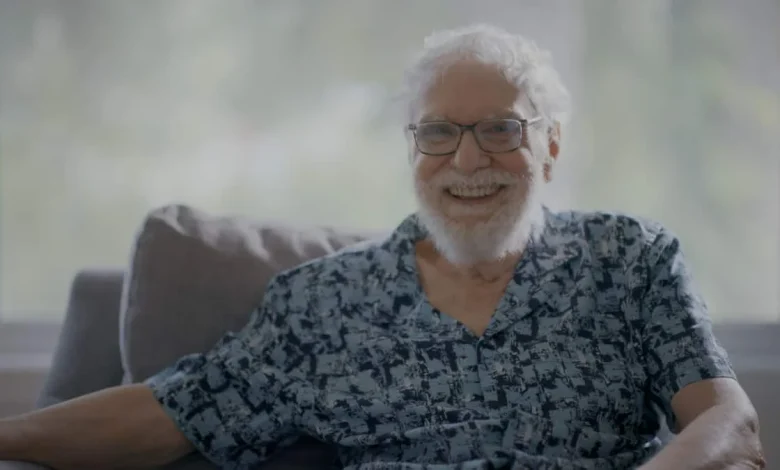
One striking reversal: after more than a decade away from the public eye, serge thériault agreed to a wide-ranging interview that he would not allow to be seen. The resulting film places his voice at its centre and reopens questions about illness, performance and privacy in a long and celebrated career.
What is the documentary revealing?
The documentary frames the life and work of a comedian and actor whose absence from television, film and stage stretched beyond ten years. It traces his career through archival excerpts — including previously unseen material — and foregrounds personal reflections about his love of acting and the mental illness that withdrew him from public performance. Catherine Proulx, credited as director and screenwriter, conducted the interview at the documentary’s core and asks the central, personal questions that structure the film.
Why Serge Thériault appears only by voice
The film makes explicit why the artist chose not to be seen. Early in the interview sequence, serge thériault tells the filmmaker that an audio interview is less stressful because being off-camera removes pressure. He also explains a longstanding reluctance to speak about himself at length, noting that he prefers to focus attention on others. Those admissions are presented on screen; only a handful of images captured during the interview appear, while the actor’s presence is otherwise conveyed through voice and archival footage.
Verified facts and documentation
Verified facts drawn from the film and its contributors include:
- Catherine Proulx serves as the documentary’s director and screenwriter and conducted the interview that structures the film.
- The decision to make the documentary followed the release of a recent season of a long-running series marking its 30th anniversary; that broadcast prompted the actor to contact the series’ producer to explain his absence from screen and stage for more than a decade.
- The film foregrounds the actor’s reflections on depression and bipolarity as central threads of its narrative.
- Contributions from colleagues — Michel Rivard, Claude Meunier, Guylaine Tremblay, Marc Messier and Louis Bélanger — appear to contextualize career milestones and the impact of illness on creative work.
- The documentary revisits formative early experiences, including summer work with the troupe La Quenouille bleue, and highlights seminal projects in the actor’s filmography such as Quelle famille !, Jamais deux sans toi, Les Boys and Gaz Bar Blues.
- The actor made a notable on-screen appearance in 2023 in the role of Moman alongside Claude Meunier’s Popa; that return provoked strong public reaction and preceded the film project.
- The film locates part of the actor’s life in Joliette, where he has lived reclusively, and presents the interview as a deliberate choice to speak without image.
These items are presented in the documentary through direct interview material, archival footage and testimony from named contributors. The film also includes archival material described as partly unpublished.
Analysis: what these facts mean together
Viewed together, the documentary reframes absence as a deliberate boundary-setting choice tied to illness and artistic identity. The repeated emphasis that the actor was not visibly unwell on stage but was exhausted after performances reframes common assumptions about public visibility and private struggle. Contributions from long-time collaborators articulate both admiration for his craft and an awareness of the “moments” in which colleagues would leave him to his own space; those recollections deepen the film’s portrait of a performer whose public persona never fully reflected private vulnerability.
What the public should know next
Verified facts in the film establish that the actor elected to speak primarily by voice, to open about depression and bipolarity, and to revisit the arc of a career that shaped multiple generations. The documentary will be presented on conventional television on Saturday, March 14, 2026, at 8: 00 p. m. ET; it was previously available on a subscription streaming service beginning in December 2025. For viewers and cultural institutions, the film raises clear transparency questions about how the industry supports artists facing mental illness and how archival material can be used respectfully when a subject limits on-camera exposure.
In closing, the film forces a simple public reckoning: serge thériault agreed to be heard, and the testimony assembled in the documentary now demands that colleagues, producers and cultural institutions translate understanding into concrete measures to protect artists’ health and dignity.