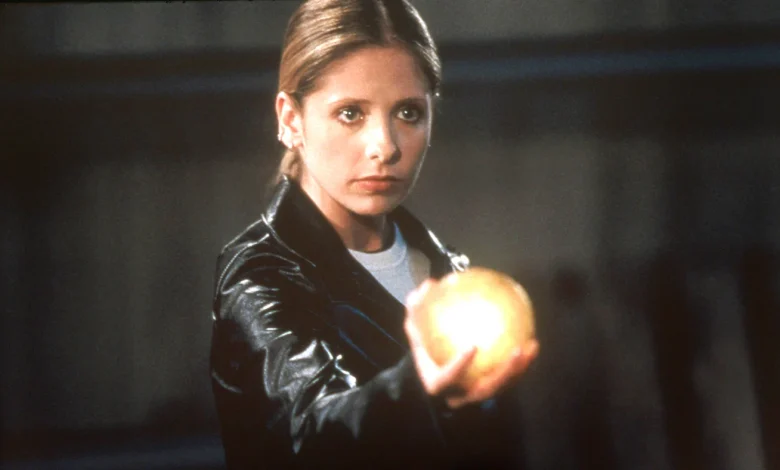
buffy the vampire slayer is at an inflection point after Sarah Michelle Gellar said that Hulu has chosen not to move forward with the planned sequel series titled Buffy: New Sunnydale. The move halts a pilot that reunited Gellar with a new creative team and a younger lead, leaving stakeholders to reassess what comes next for a high-profile property.
What Happens When Buffy The Vampire Slayer Revival Halts?
The immediate state of play is straightforward: the sequel series ordered as a pilot will not proceed to series at the streamer that commissioned it. The project had been assembled with an array of established and emerging talent. Chloé Zhao was set to direct and executive produce; Nora Zuckerman and Lila Zuckerman were attached to write, showrun and executive produce. Ryan Kiera Armstrong had been cast as the new slayer, with Sarah Michelle Gellar returning in a recurring role. The pilot also featured Faly Rakotohavana, Ava Jean, Sarah Bock, Daniel di Tomasso and Jack Cutmore-Scott. Executive producers included Gail Berman, Fran Kuzui, Kaz Kuzui and Dolly Parton. Original creator Joss Whedon was not involved in this iteration.
What Forces Drove This Decision?
Several forces visible from the production record and creative lineup help explain why the reboot did not advance. First, there was a clear creative reset: the new team aimed to pair an older Buffy with a next-generation lead, a structural choice that requires balancing legacy expectations with a fresh narrative. Second, production feedback appears to have been mixed; the pilot was reviewed and a rework was considered before the decision to stop was reached. Third, internal strategic calculus at the commissioning platform shifted, leaving the pilot without the backing required to continue. Those operational and creative dynamics, combined, made the business case for proceeding weaker than originally anticipated. The franchise remains valuable, and the same platform has signaled openness to future incarnations, keeping the intellectual property in play even as this version is shelved.
What Happens Next: Three Futures for the Franchise?
- Best case — The platform retools the concept with adjustments informed by the pilot, re-commissioning a revised approach that satisfies creative leads and internal strategy, allowing a refreshed Buffy to reach series.
- Most likely — The pilot remains shelved while the platform and rights holders continue discussions; the IP is preserved and small-scale development continues until a clearer market window or creative package emerges.
- Most challenging — Momentum stalls longer term: the pilot is archived, key creatives move on, and the franchise enters a period of dormancy before any substantive revival effort is mounted.
Who Wins, Who Loses and What Stakeholders Should Watch
Winners in the short term include the franchise owners who retain options to re-package the property; the roster of attached producers and cast retain visible credit and flexibility to pursue other projects. Potential losers include the creative team and cast who invested time in a pilot that will not reach audiences as planned; fans who anticipated a continuation are left waiting; and the commissioning platform absorbs the sunk production costs and a public relations moment about a high-profile pass. Watch for signals from the executive producers, the lead talent, and the rights holders on whether the concept will be shopped internally or reimagined.
Uncertainty remains inherent: the pilot’s shelving does not erase the development work, nor does it preclude future incarnations. Stakeholders should treat this as a pause rather than a definitive end, while fans and industry observers should expect incremental updates rather than immediate resolution. In short, the current decision closes this specific chapter but leaves the franchise open to another entry point for buffy the vampire slayer