Nearly two weeks after an Iranian missile struck the Canadian section of the Ali Al-salem Air Base, known locally as “Camp Canada, ” questions are mounting over why the Canadian Forces Kuwait presence and the damage were not disclosed sooner. The incident, which occurred on March 1, left no Canadian personnel harmed but exposed a gap between battlefield events and public disclosure.
What happened to the Canadian Forces Kuwait facility?
Verified facts: A missile struck the Canadian section of the Ali Al-salem Air Base on March 1. Overhead satellite images indicated that the area nicknamed “Camp Canada” appeared to be damaged. The strike followed a coordinated aerial campaign that targeted the Iranian regime’s leadership in Tehran. Foreign Affairs Minister Anita Anand confirmed that no Canadian personnel were harmed. Defence Minister David McGuinty affirmed that “all (Canadian) lives are accounted for. “
Analysis: The physical impact at the site and the confirmation that Canadian personnel were safe establish the immediate operational outcome. The presence of imagery showing damage ties the event to the specific facility used by Canadian forces. That combination narrows the fact pattern: there was an attack on the Canadian section of the base, personnel were unharmed, and damage was observable.
Why was the attack not disclosed publicly?
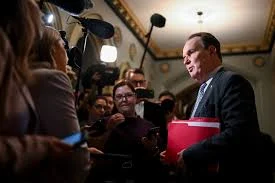
Verified facts: Opposition Conservatives demanded to know why the public was kept in the dark for nearly two weeks after the missile strike. Conservative defence critic James Bezan characterized the delay as a “failure” of government communications and pointed to Prime Minister Mark Carney, saying the prime minister had multiple opportunities and press availabilities to disclose the fact. When asked why he did not inform Canadians earlier, Prime Minister Mark Carney demurred, stating, “I’m not the only spokesperson for the government. “
Analysis: The tension identified by the opposition centers on a gap between operational confirmation from ministers and public disclosure. Public officials have acknowledged the core facts — no Canadian casualties and accounted-for personnel — yet the timeline for disclosure has become the central political issue. The exchange highlights competing explanations offered by political actors rather than additional operational details about the response to the strike.
Who is accountable and what must change?
Verified facts: Conservative MPs have demanded answers about the delay in disclosure. Key cabinet figures confirmed the safety of Canadian personnel and the presence of damage at the facility; the prime minister declined to claim sole responsibility for public messaging.
Analysis: The immediate accountability question is institutional: who within government bears responsibility for timely public notice about attacks affecting national forces abroad? The available facts show clear acknowledgments from ministers that could have formed the basis for earlier public statements. Where communications protocols exist, their application in this case produced a nearly two-week interval between the strike and broader public awareness, prompting calls for clearer rules on disclosure.
Call for action: Given the facts as established — a missile strike on the Canadian section of Ali Al-salem Air Base, visible damage to “Camp Canada, ” ministerial confirmation that no Canadian lives were lost, and the prime minister’s decision to defer messaging — this episode requires a transparent, evidence-based review of disclosure protocols. The public and Parliament deserve a factual account of who knew what and when, and a clear plan to prevent similar lapses in communicating risks to the Canadian Forces Kuwait community and the wider public.