On a chilly gym floor, chalk dust still clinging to knuckles, coaches replay scores and athletes tap into the small wins. The next question on every board reads: crossfit open 26. 3 — what will the final workout demand? The hint dropped by the Games’ organizer and the numbers from 26. 2 have already begun to reshape how competitors plan the last Open test.
What Dave Castro’s hint means for Crossfit Open 26. 3
Dave Castro shared a final hint ahead of Crossfit Open 26. 3: an aerial image with an ‘x’ marked on a building near the top of the photo. The image set off a flurry of interpretation among athletes and coaches, who are parsing the visual for clues about movement patterns, equipment or a likely workout footprint. The hint arrives after a week in which pulling movements and ring muscle-ups dominated conversation, and it frames 26. 3 as a reveal that could reward athletes who adjusted strategy after 26. 2’s bottlenecks.
What 26. 2 revealed about athletes’ limits
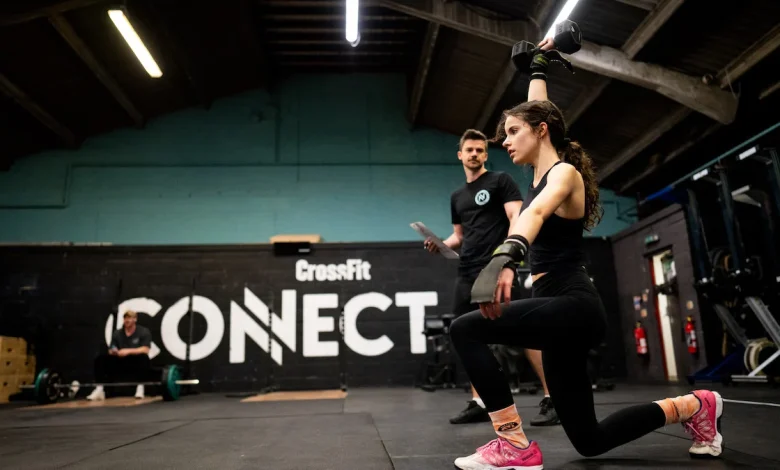
The second workout, analyzed by Jonathan Kinnick, placed heavy emphasis on alternating dumbbell snatches, dumbbell overhead walking lunges, and a ladder of pull movements that culminated in ring muscle-ups. The 15-minute time cap forced athletes to balance pace and technique; most who advanced far enough hit a pile-up at the 112th rep and many were time-capped during the first 10 muscle-ups that followed.
Participation and success numbers underline the exercise-specific hurdle. For the ring muscle-up, 9, 918 women and 41, 773 men recorded at least one rep. Chest-to-bar pull-ups proved less selective: over 58, 000 women and 100, 000 men managed at least one chest-to-bar rep across divisions. Despite a broad ability to execute chest-to-bars, finishing the Rx’d workout remained rare — only 4% of women and 13% of men completed all reps within the time cap.
Country-level patterns also emerged: South Korea, Australia and the United States led Rx’d participation rates for 26. 2, while Spain, Australia and Italy showed the highest percentages of athletes finishing the Rx’d version. When the metric shifts to getting at least one muscle-up, Australia, Spain and France ranked highest. These figures are shaping how athletes choose versions, train specific skills and set realistic goals heading into crossfit open 26. 3.
How the Open’s structure shapes the next step
The Open is also a gateway. The CrossFit Games season’s next stage, the Community Cup, assigns tiers based on the level athletes receive after submitting scores for all three Open workouts. The 26. 2 data feeds those tier placements: for example, athletes in a specific age bracket needed a particular rep total to reach the Advanced tier on 26. 2. Percentile tables for Individuals, Masters and Teenagers provide context for where a given score positions an athlete within their division and workout version; a 127-rep score in the Rx’d Men 18–34 division placed an athlete in the 75th percentile for that version.
Coaches are translating these results into short-term training plans. With ring muscle-ups creating the largest attrition point in 26. 2, many are prioritizing capacity under fatigue and transitions between heavy pulling and overhead load. Others are recalibrating expectations: the lower finish rates for Rx’d versions show that risk management and pacing remain decisive factors for moving on in the season.
Back on the gym floor, athletes tape calluses, swap observations and stare at the single image that sparked so much speculation. The aerial hint and the statistical trail from 26. 2 have narrowed the guessing game but not erased it. As preparations accelerate for crossfit open 26. 3, the sport’s mix of skill, strategy and endurance will determine who turns a hint into a winning plan and who is left counting reps at the time cap.