The lotto draw will leave RTÉ production next week, begin broadcasting from a newly designed studio at National Lottery headquarters, and occupy a new timeslot just before the Nine O’Clock News. The shift — a phased move that also affects Telly Bingo — will see the National Lottery assume full production while keeping key presenters and oversight mechanisms in place.
Background & Context: Lotto leaves RTÉ production
The National Lottery confirmed it will begin producing both the lotto and Telly Bingo draws fully in‑house at its headquarters, with the lotto transitioning on March 11, 2026 (ET) and Telly Bingo following in subsequent months as part of a phased rollout. Production will move into a “newly designed studio, ” and the draws will continue to be broadcast on RTÉ One as they have been since the first lotto draw in April 1988 and the launch of Telly Bingo in September 1999. The move follows comments from Kevin Bakhurst, Director General, RTÉ, who had flagged outsourcing options as part of wider programming changes and cost considerations.
Deep analysis: cost drivers, control and viewer timing
The decision to bring production in‑house is presented as a cost and operational realignment. Kevin Bakhurst, Director General, RTÉ, said the lotto “costs us a lot of money to do, ” framing the change as an opportunity to reduce broadcaster expenditure. For the National Lottery, the move enables consolidation of drawing operations already partly located at the new headquarters: the Daily Million and EuroMillions Plus are already drawn there, and the relocation of lotto and Telly Bingo completes that consolidation.
Changing the broadcast slot to “just before” the Nine O’Clock News on Wednesdays and Saturdays alters the viewer flow around a flagship news bulletin and aims to reflect viewing habits. The National Lottery has said results will be available on its website about 20 minutes later than usual, at 9pm (ET), a technical consequence of rescheduling and the shift to in‑house production.
Operational safeguards remain emphasised. The National Lottery confirmed that existing draw controls and oversight mechanisms will remain “firmly in place, including KPMG’s independent observer role, ” signalling continuity of integrity despite the production move. For stakeholders reliant on revenue flows to Good Causes and for audiences used to the long‑standing format, the change balances modernisation with a pledge to preserve accountability and transparency.
Expert perspectives and implications for presenters
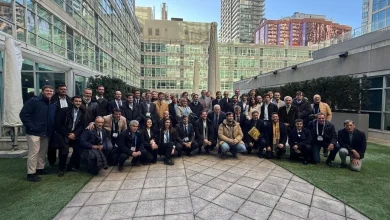
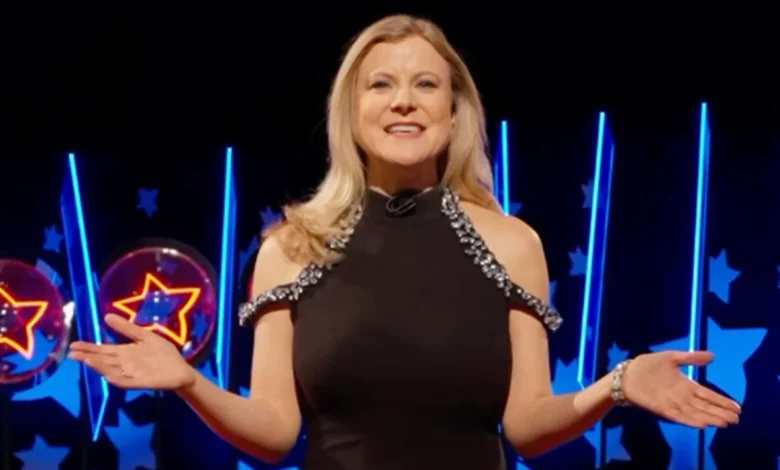
Nuala Carey, presenter of the Lotto draws, reflected on more than two decades in vision and confirmed she will remain part of the team as draws move to the National Lottery HQ. She wrote of “over 20 years in vision, presenting my beloved ‘Lotto'” and recalled presenting milestone events and outside broadcasts, including the final RTÉ crew photo from the last Montrose draw on Saturday March 7 (ET).
Cian Murphy, CEO, National Lottery, framed the transition as strategic and audience‑focused, saying the move is “an important and natural next step for the National Lottery. ” Murphy added that relocating the lotto to a slot just before the Nine O’Clock News would “better reflect audience viewing habits and create a more seamless and engaging experience for players, ” while stressing a priority on “maintaining the highest standards of integrity, security and oversight” and continuing to maximise returns to Good Causes.
Those remarks underline two linked aims: cost‑efficient production and sustained public trust. Retaining current presenters in narrated voiceover roles and keeping KPMG as an independent observer are concrete measures intended to reassure players and regulators that procedural standards will not be diluted by the operational change.
The move also signals a cultural shift. After decades of RTÉ’s studio presentation from Montrose, the physical and editorial home of the draws will now be the National Lottery’s own facility, which the Lottery relocated from Abbey Street to 1 George’s Quay in November 2024. That history—30 years celebrated in public milestones and long memories of outside broadcasts—will be folded into a new production model.
As the lotto and Telly Bingo prepare to air from the National Lottery’s in‑house studio, the sector faces a test: can streamlined production and a new timeslot preserve audience engagement, presenter recognition and the strict oversight that underpins public confidence in the draws? Will the changes strengthen returns to Good Causes while meeting modern broadcast economics and viewer habits?