Weather Network: A ‘potentially critical’ freezing rain event that could paralyze southern Quebec and test power crews

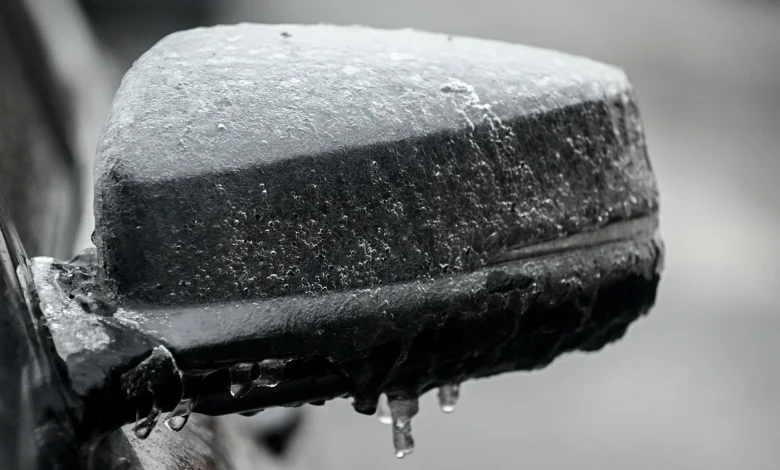
On roads and rooftops across southern Quebec, the prospect of 20 to 30 millimetres of freezing rain over 24 hours has forecasters, utilities and communities on edge — a warning circulated across the weather network that calls for preparation and caution.
What did the national weather agency say?
Environment Canada has issued a special weather statement labeling the incoming ice storm as “potentially critical. ” The agency says the region can expect 20 to 30 millimetres of freezing rain over 24 hours and that such accumulation can increase the risk of breaking tree branches and cause prolonged power outages. The statement also warns the storm could “paralyze” transportation.
When will the freezing rain begin and which areas are most at risk?
Meteorologist Giselle Dookhie says the freezing rain is expected to start Tuesday overnight into Wednesday. She emphasizes the unusual length of the event: “The last time I’ve seen any freezing events like this it was like back in 2023. What makes this event a concern is the extended period of freezing rain. ” The south of the province is expected to be hit hardest, though Environment Canada notes that all of Quebec and parts of the Maritimes will be affected. Areas to the north, including Lac-Saint-Jean and its surroundings, are forecast to receive more snow, with up to 40 centimetres expected. The Eastern Townships, where snowpack remains high from a recent snowfall, could face localized flooding as the system moves through.
How are utilities and crews preparing, and what can residents expect?
Hydro-Québec says it is monitoring the situation and will prepare over the next couple of days. The agency’s preparations are underscored by the special weather statement’s warning about the potential for broken tree branches and prolonged outages. Meteorologist Dookhie notes that cleanup of felled trees could be slow, with blowing snow and winds in the forecast, and that the weather is expected to remain cold in the days following the storm, complicating and delaying a full return to normal services.
Transportation systems face risk of paralysis as accumulation builds. The combination of an extended period of freezing rain and subsequent cold conditions forms the central operational challenge cited by forecasters and utility planners in the region.
The storm’s path is expected to translate eastward, first affecting the Maritimes and then moving up along the Quebec lower North shore, raising concerns about a wider regional impact beyond the immediate southern Quebec zone.
Local officials and residents are being urged to take the special weather statement seriously: make contingency plans for power interruptions, avoid nonessential travel during the period of freezing rain, and prepare for a potentially slow cleanup period where fallen trees and icy roads could complicate response efforts.
Environment Canada’s characterization of the system as “potentially critical” frames both the immediate public-safety messaging and the operational posture of utilities and municipal crews. Hydro-Québec’s monitoring and preparations are the first visible institutional responses noted as the storm approaches.
Back in the places that will be most affected — from the Eastern Townships with its high snowpack to the tree-lined streets of southern Quebec — the prospect of an extended freezing-rain event has put routine life on hold. Residents are being asked to heed forecasts and prepare for the kinds of disruptions that Environment Canada has warned could be prolonged.
As the region waits for the storm to arrive, the weather network reminder to prepare is both practical and urgent: pack emergency supplies, plan for power loss, and expect travel disruptions as crews and communities respond to what forecasters have described as a potentially critical ice storm.