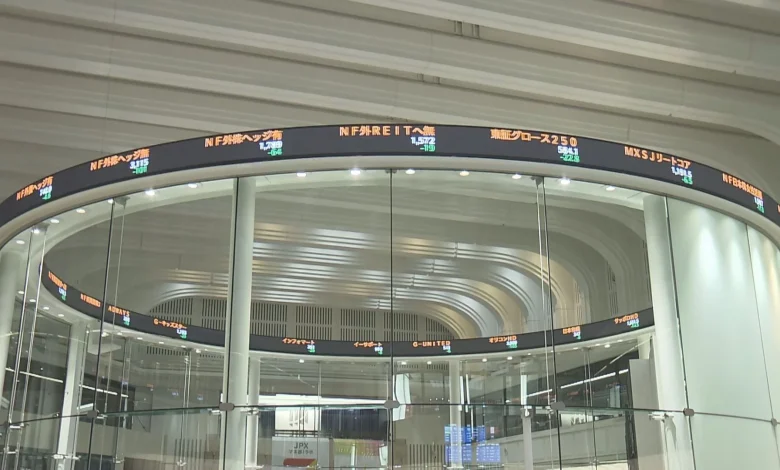
nikkei fell sharply after a surge in crude oil prices driven by deteriorating Middle East tensions prompted aggressive risk-off selling in Tokyo trading. The main index plunged by more than 4, 000 yen at one point and slipped below the 52, 000-yen level, while futures tied to global crude climbed to multi-year highs and U. S. oil benchmarks moved above $100 per barrel. The move coincided with significant yen weakness, with the dollar trading in the 158-yen range, and notable selling in AI-related stocks.
What Is the Inflection Point?
The market pivot stems from a confluence of explicit developments in commodity and currency markets. Escalating tensions in the Middle East have driven international crude futures to prices not seen in several years, with one futures benchmark reaching the highest area in three years and eight months. That jump fed through to early-morning trades, lifting a major U. S. crude benchmark above $100 per barrel and prompting a broad risk-off reaction. In Tokyo, the reaction included a sudden, large drop in equity prices and an intensified move toward safer positions, while the yen weakened to around 158 per dollar. Market participants also registered outsized selling in AI-related names, reinforcing the broader selloff dynamic.
What Happens When the Nikkei Faces an Oil Shock?
There are three compact scenarios for how the shock could evolve and who stands to gain or lose in each case.
- Best case — Quick risk repricing: Oil retraces some of its spike, volatility eases, equities recover some losses and the yen stabilizes. Corporates and households avoid sustained energy-cost pressure.
- Most likely — Prolonged volatility and selective stress: Oil remains elevated or volatile, prompting intermittent equity dips and sector rotation. Cost pressures climb for import-dependent businesses and household energy bills, while risk-sensitive sectors such as high-multiple growth names remain vulnerable, especially those already seeing AI-related flows unwind.
- Most challenging — Sustained high oil and deeper economic drag: Oil stays high for an extended period, fueling persistent inflationary pressure on gasoline and electricity. That dynamic weighs on consumer spending and corporate margins, producing a longer downturn in domestic equity benchmarks and further currency depreciation.
Immediate winners and losers in the current move are straightforward: entities exposed to higher energy prices and a weaker currency face pressure, while any parts of the market benefiting from higher energy valuations or defensive cash flows may show relative resilience. The combination of commodity-driven risk aversion and targeted selling in technology-related names compressed breadth and magnified headline moves in the main index.
What If Oil Stays Above $100? How Should Market Participants Respond?
If the oil price remains elevated, the pathway for the nikkei will depend on the persistence of the geopolitical shock and how quickly energy costs transmit into broader consumer and corporate expenses. Short-term market management should prioritize scenario planning: liquidity buffers, defensive positioning for households and firms exposed to energy input costs, and monitoring currency moves that can amplify imported inflation. For investors, a disciplined review of valuations and exposure to sectors sensitive to input-cost shocks will be critical. For policymakers and corporate managers, near-term attention will center on the pass-through to gasoline and electricity costs and the potential burden on household budgets.
Uncertainty is high and outcomes will hinge on developments in crude markets and geopolitical tensions. The present episode — a sudden crude surge, a sharper-than-usual market reaction and pronounced yen weakness — is a clear inflection point for Tokyo trading and the nikkei