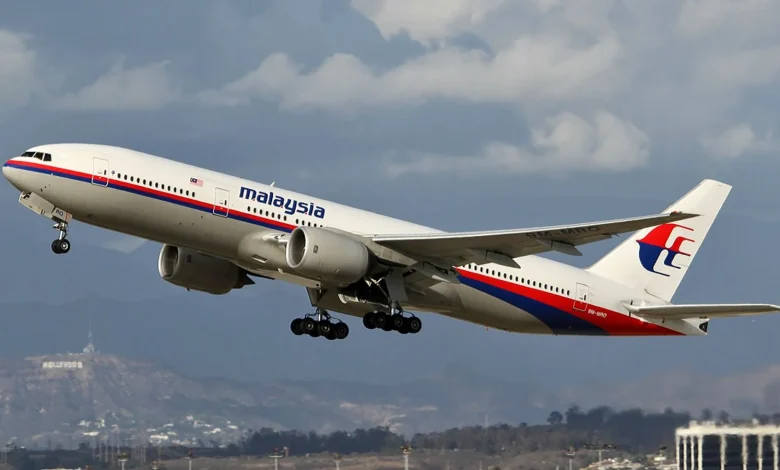
A startling tally — 151 days at sea and more than 140, 000 square kilometres of seabed mapped — has still left malaysia airlines flight MH370’s fate unresolved, underscoring a contradiction: vast technological effort, no definitive wreckage.
What is the central question about Malaysia Airlines flight MH370?
What is not being told is whether the recent high-precision search narrowed the field of plausible locations enough to justify continued operations or a pivot in strategy. The Malaysia’s Air Accident Investigation Bureau (AAIB) has stated that 28 days of searching, covering more than 2, 900 square miles (7, 500 sq km), produced no new findings. That announcement follows a pattern: multiple search phases have been conducted in the southern Indian Ocean without conclusive discovery, and a 2018 report by Malaysian investigators drew no conclusion about what happened but did not rule out the possibility that the aircraft was deliberately taken off course.
What does the evidence and documentation show?
Verified facts:
– The aircraft carried 227 passengers and 12 crew when it disappeared shortly after departing Kuala Lumpur for Beijing. The disappearance remains one of aviation’s most enduring mysteries.
– A deep-sea exploration firm operating on a “no find, no fee” basis was contracted to search the southern Indian Ocean and would be paid $70 million only if the wreckage were located. The most recent phase consisted of two search periods that were periodically disrupted by weather and sea conditions and concluded on 23 January.
– Ocean Infinity, the exploration firm, has stated it departed the search area on 23 January 2026 in its latest effort. Since first engaging in 2018, the company has spent 151 days at sea and mapped more than 140, 000 square kilometres of seafloor. Oliver Plunkett, Ocean Infinity’s CEO, noted that the scale of the challenge is vast and that the company deployed advanced technology, automation and robotics to carry out the search. The company added that while this phase has concluded, it remains open to returning when circumstances allow.
These items are drawn from institutional statements and the official investigative report referenced above. They establish what was attempted, what was mapped, and the limits encountered: weather, sea conditions, and the sheer geographic scale of the search area.
Who benefits, who is implicated, and what accountability is needed?
Stakeholder positions and verified claims:
– The Malaysian government, represented by the AAIB in public statements, has pledged continued communication with families and affirmed commitment to updates as appropriate.
– Ocean Infinity has emphasized its technological contribution and the fact that exhaustive searching has at least clarified where the aircraft is not, an outcome the company frames as useful to future efforts.
– Families of those on board have urged extension of the contractual search arrangement and requested that the same “no find, no fee” terms be opened to other exploration firms to avoid delay. Campaigners warned that a gap before any renewed operation is likely because deteriorating winter sea conditions in the southern hemisphere pose operational limits.
Analysis — what these facts mean together:
The recent effort represents both progress and an impasse. Progress in that modern survey technology has vastly expanded mapped areas and reduced uncertainty in regions already searched; impasse in that exhaustive mapping over large swathes of seabed has not produced the conclusive physical evidence families seek. The contractual model used — payment contingent on locating wreckage — reduced financial risk for the contracting party but also concentrates decision-making about search extension in the hands of the exploration firm and the government authority overseeing the agreement. Weather and seasonality impose hard operational windows, which compress decision timelines and raise the prospect of enforced pauses that families and advocates view as avoidable bureaucratic delay.
Accountability conclusion and forward look:
Verified facts show the latest search phase concluded without discovery, while Ocean Infinity and the AAIB have documented the scope of work undertaken. Responsible next steps grounded in those facts include a transparent review of mapped areas and search metadata by the investigating authority to confirm where gaps remain, a clear timeline for any contractual extensions or open tenders for further searches, and a formal mechanism to keep families informed about technical findings and constraints. The public record as it stands provides a precise inventory of effort but not a resolution; that gap is where demand for renewed, accountable action must be focused if families and investigators are to avoid repeating the same geographic and seasonal constraints without strategic change to the hunt for malaysia airlines.