Paramount Plus Greenlights New Garfield Animated Series Starring Lamorne Morris — What Changes for the Iconic Cat

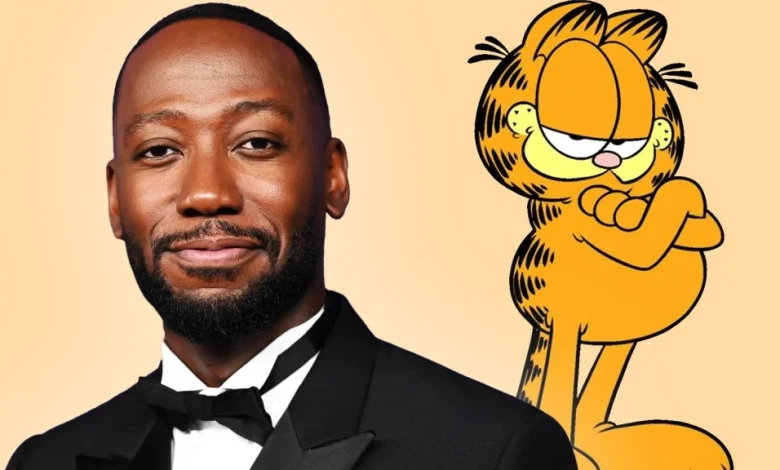
paramount plus has picked up a new original 2D-animated Garfield series, a development that reunites the lasagna-loving, sardonic cat with television after years in development. The series, produced by Nickelodeon Animation Studios and featuring Emmy-winning actor-comedian Lamorne Morris as the voice of Garfield, is currently in production and draws explicitly on Jim Davis’ original comic strip. The pickup also folds Garfield further into the platform’s merchandising and family-entertainment strategy.
Background & Context: How the project landed where it did
The new series follows a long path that began when Viacom acquired the Garfield intellectual property in 2019. That acquisition gave Nickelodeon the right to develop animated content based on Jim Davis’ comic and to manage global merchandising tied to the brand. The Garfield character has been integrated across apparel, toys, publishing, food, and other consumer categories since that transfer of rights. Production has not been swift: the animated series spent seven years in development and production before this pickup.
Deep analysis & industry implications
At face value, the announcement is a straightforward series order: a 2D-animated Garfield, executive produced by Dave H. Johnson and John Trabbic III, with Lamorne Morris supplying Garfield’s voice. But the decision reflects several layered calculations. The franchise remains commercially potent — the comic strip counts over 200 million daily readers — and the IP has multiple active frontiers, including a 2024 feature release that is proceeding toward a sequel. The theatrical film generated identifiable box-office returns, and the property’s merchandising footprint was explicitly handed to the corporate side that manages consumer products, magnifying ancillary revenue potential from any new series.
Operationally, greenlighting a television series tied to an established brand reduces creative risk while refreshing a catalog asset. The project’s long gestation signals careful coordination between creative teams at Nickelodeon Animation Studios and corporate product-management structures. The series also revives the character on screen after the 2009 animated series and taps a different vocal approach than the feature franchise, underscoring a deliberate multi-venue strategy for the same character.
Paramount Plus Strategy and Expert Perspectives
The pickup sits inside a broader slate-building effort for family and children’s programming. This move joins other recently ordered animated projects at the platform and is part of a post-merger programming agenda led by senior executives. Cindy Holland (Paramount’s Chair of Direct-to-Consumer) and Jane Wiseman (Paramount+ Head of Originals) are named as leaders of the team that oversaw recent series pickups. From the production side, Dave H. Johnson (Executive Producer, Nickelodeon Animation Studios) and John Trabbic III (Executive Producer, Nickelodeon Animation Studios) anchor the creative leadership, and Lamorne Morris (Emmy-winning actor-comedian) is the cast centerpiece as Garfield. Creator Jim Davis remains the origin point for the property that the series adapts.
Those personnel choices bring together consumer-product management, established animation producers, and a distinct voice casting in Morris. The varied stewardship across media formats — television series, theatrical features, merchandising — indicates a conscious effort to extract and sustain franchise value beyond any single release.
The platform’s commercial calculus is explicit: owning and activating the Garfield IP allows coordinated merchandising and content releases across categories, and the new series is an instrument of that strategy. At the same time, the decision balances nostalgia and novelty, restoring a television presence after a gap while differentiating the series voice from the concurrent film franchise.
Will a 2D Garfield led by Lamorne Morris reshape the cat’s cultural footprint and product sales the way past iterations once did? With the property already counting hundreds of millions of daily readers and a cinematic entry that is moving forward toward a sequel, the new television series becomes a deliberate lever in the broader franchise playbook — and a test of whether serialized streaming animation can amplify long-standing comic-strip IP on multiple fronts.
As the series moves through production and promotional tie-ins emerge, one question remains central for executives and fans alike: how will paramount plus measure success for a legacy character across streaming viewership, merchandising lift, and renewed daily engagement?