Iranian President Apologises to Neighbours, Says Strikes Will Stop Unless Attacks Originate There

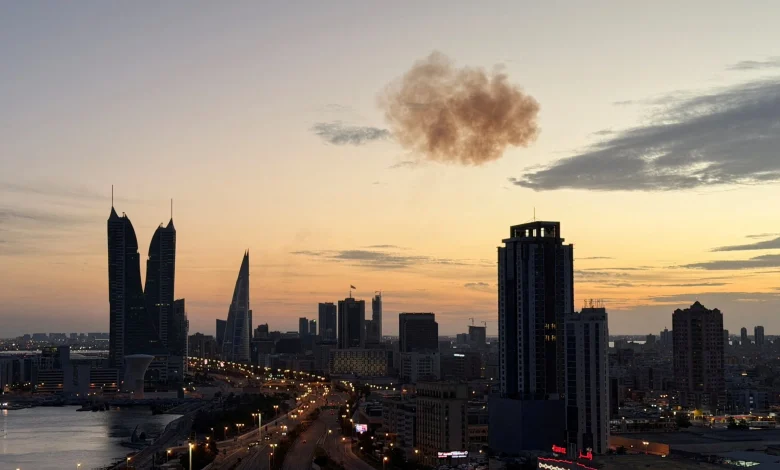
iranian president Masoud Pezeshkian announced that Iran will stop strikes on neighbouring countries unless attacks originate from them and apologised for recent strikes, as the war enters its second week. He said Iran’s interim leadership council approved the motion and clarified that recent Iranian fire had targeted US military bases, facilities and installations in the region. The statement aims to ease regional diplomatic pressure after sustained retaliation following US and Israeli strikes.
Iranian President’s shift and limits
Masoud Pezeshkian, Iran’s president, told officials that neighbouring states would no longer be targeted provided no attack originated from their territories. He apologised for strikes that took place in recent days and said the interim leadership council had approved the decision. Pezeshkian later clarified that Iran had not attacked neighbouring countries but had focused on US military bases, facilities and installations across the region.
On the broader limits of the pledge, the Islamic Revolutionary Guard Corps (IRGC) issued a separate statement that both acknowledged respect for the sovereignty of neighbouring countries and set clear conditions for escalation. The IRGC said: “Following the statements of the president, the armed forces once again declare that they respect the interests and national sovereignty of neighbouring countries and, up to this point, have committed no aggression against them. However, should the previous hostile actions continue, all military bases and interests of criminal America and the fake Zionist regime on land, at sea, and in the air across the region will be considered primary targets and will come under the powerful and crushing strikes of the mighty armed forces of the Islamic Republic of Iran. “
Immediate reactions from leaders and military
President Donald Trump issued sharp counterstatements in recent days. On Friday (ET) he demanded what he called “unconditional surrender, ” and on Saturday (ET) he posted: “Today Iran will be hit very hard!” He added: “Under serious consideration for complete destruction and certain death, because of Iran’s bad behavior, are areas and groups of people that were not considered for targeting up until this moment in time. ” Trump also claimed that the US had “knocked out” 42 Iranian warships in three days.
Inside Iran, Ali Larijani, secretary of the Supreme National Security Council of Iran, spoke of the US misreading the region: “I think the most important problem the Americans have is that they do not understand the context of West Asia, especially Iran. Their perception was that it would be like Venezuela — they would strike, take control, and it would be over — but now they are trapped. ” Larijani framed the current confrontations as evidence that regional actors are reassessing security arrangements after recent strikes.
What’s next: tests of resolve and diplomatic pressure
The immediate future will hinge on whether armed forces interpret the political pledge narrowly or broadly. The IRGC statement makes clear that strikes on US and Israeli assets remain on the table if Iranian commanders view hostile actions as continuing. Regional diplomatic channels and Gulf states that have pressed Tehran to relent will watch whether the political declaration holds in practice.
For now, the situation remains volatile: the iranian president’s apology and pledge aim to reduce attacks on neighbouring states, but military pronouncements signal that retaliation against US and Israeli positions could continue. The coming days will test whether the interim council’s decision reshapes operations on the ground or whether military imperatives produce new confrontations.